Langebaan
Turquoise lagoon 120 km north of the city: kitesurfing, spring flowers, cheap winter rooms, and almost nothing open after 21:00.
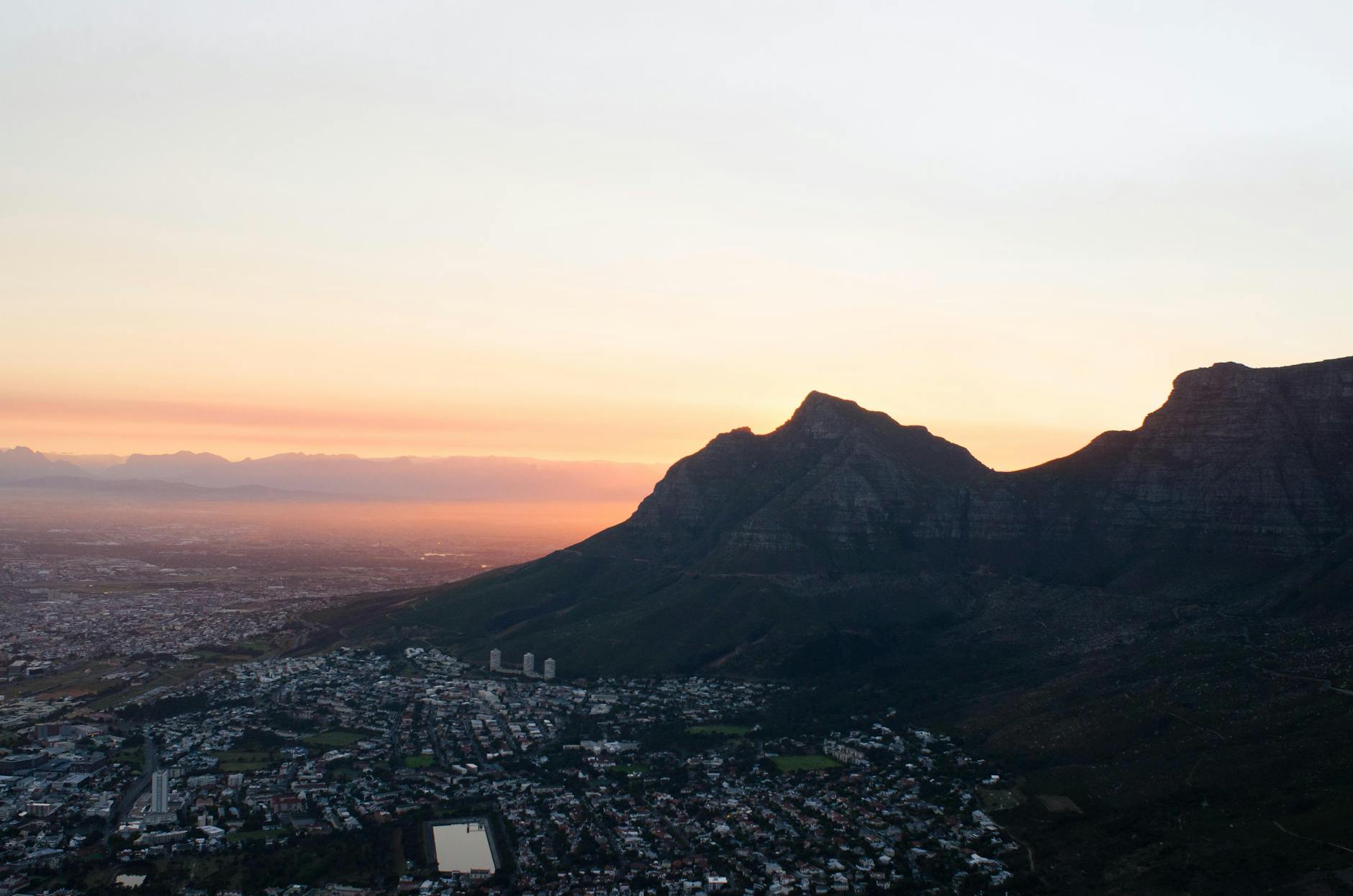
 Turquoise Langebaan Lagoon with kitesurfers and low white dune scrub on the West Coast
Why people stay in Langebaan
Langebaan is not a suburb of Cape Town and nobody there pretends otherwise. It is a small West Coast town roughly 120 km north up the R27, ninety minutes with a clear road, sitting on a lagoon so shallow and so pale that first-time visitors assume the photographs were retouched. The water is warmer than the Atlantic seaboard beaches back in the city, waist-deep for a long way out, and largely flat in the mornings. Come for the lagoon and the West Coast National Park on its southern shore. Come for anything else and you will be disappointed by lunchtime.
The wind runs the town. From November to February the southeaster arrives most afternoons around 13:00 and blows hard until sunset, which is precisely why the kite and wing crowd fills every room in Myburgh Park and Club Mykonos. If you want glassy water, be on the beach before 10:00. If you want wind, you are in the right place from spring through late summer. Winter is the opposite: cold fronts, rain, empty streets, and self-catering places that drop from R2,400 a night in late December to R850 in June.
At 21:00 in January Oostewal Road is busy in a family-holiday way — queues outside pizza places, teenagers on the grass verge, the Club Mykonos casino floor glowing on the northern edge of town. At 21:00 in May, most kitchens have stopped taking orders and you will be driving to Saldanha for a late meal or eating what you bought at the Checkers. Plan dinner early, book Die Strandloper days ahead, and do not assume you can find a ride home — e-hailing coverage here is thin to non-existent after dark.
Skip Langebaan if you have no car, if you need mountains and wine estates on your doorstep, or if you were sold this as a beach resort in the Camps Bay sense. There is no promenade of cocktail bars, the shops close on Sunday afternoon, and the town centre is functional rather than pretty. What it does have — the lagoon at Kraalbaai, the Postberg flowers in August, and space for children to run without anyone minding — it does better than anywhere within two hours of Cape Town.
The three bands are simple. Lagoon-front self-catering along Beach Road and the streets running down from Oostewal gives you the view and the short walk to the water, at roughly R1,400 to R2,600 a night in December and January and R900 to R1,300 out of season. Club Mykonos, on the northern point, is a walled Greek-themed resort village with its own marina, restaurants and casino — soulless to some, genuinely convenient with small children, and often the cheapest way to get four beds under one roof. Myburgh Park and Calypso Beach are quieter residential pockets with good guesthouses and a sheltered swimming beach. Avoid the inland streets of Langebaan North: no view, no walkability, and you will drive for everything. Book six months out for the last week of December and for the Postberg flower window in late August.
Things to do in Langebaan

The park gates sit on the R27 south of town and at the Langebaan entrance off Oostewal Road. Conservation fees run around R100 for South African adults and roughly R250 for international visitors. The Postberg section only opens for the flowers in August and September; go on a weekday morning before the wind flattens the petals.

The flat-water lagoon south of town, reached along Beach Road, is one of the best beginner kite venues in the country. Schools operating from the Langebaan beachfront charge roughly R2,500 to R3,500 for a two-day introductory course including gear. Book afternoons in summer when the southeaster is reliable from about 13:00.

Kraalbaai, on the park side of the lagoon, is the postcard: white sand, milky turquoise water, a scatter of moored houseboats. You can drive in through the national park gate or take a boat from the Langebaan Yacht Club side of the beachfront. Bring everything you need — there is no shop, no shade and no signal.

The residential beach on the southern edge of town, below the Calypso Beach streets, is the calmest water in Langebaan and shelves so gently that toddlers can wade for fifty metres. Get there before 11:00. By mid-afternoon in summer the wind turns it into a chop-and-sand-blast experience and everybody retreats.

The open-air seafood barbecue on the beach north of the town centre serves a ten-course procession of mussels, snoek, crayfish and braaied bread on driftwood tables, around R450 to R550 a head. Bring your own wine, bring a jacket, and book weeks ahead in season — it regularly sells out in December and over long weekends.

Forty-five minutes north via the R45 and R399, Paternoster is a whitewashed fishing village of far more photogenic streets than Langebaan. Lunch at one of the beachfront restaurants on the Cape Columbine road runs R250 to R600 a head. Combine it with the Cape Columbine lighthouse at Tietiesbaai and be back before dark.
What to see
Hotels near Langebaan
No hotels are listed in Langebaan yet. The nearest ones are on the region page.
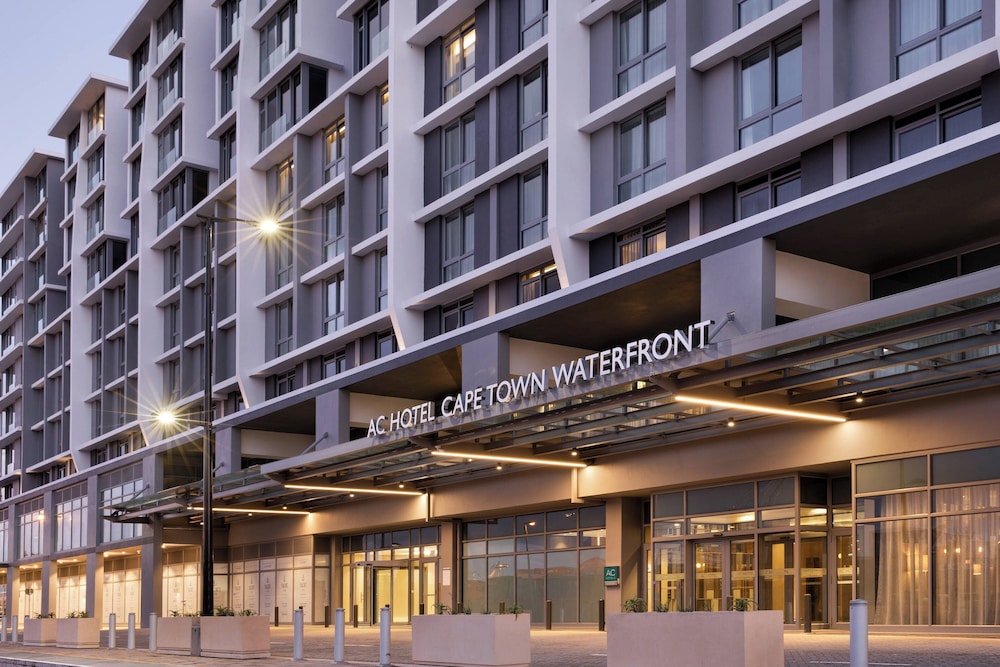

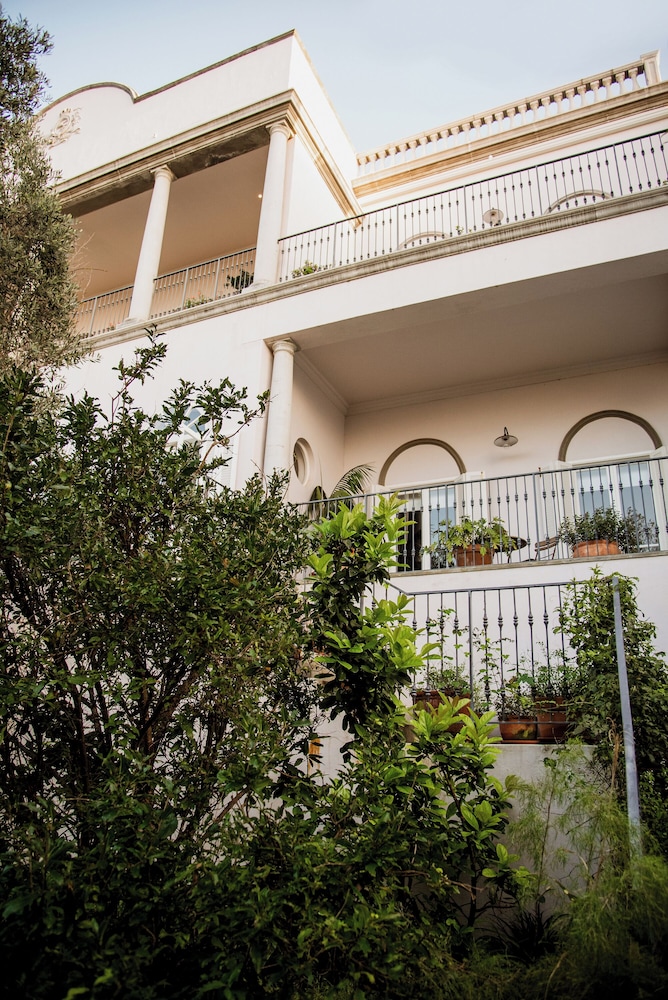
Every hotel we cover in Langebaan
Getting around Langebaan
You need a car, full stop. From Cape Town International take the N2 west, join the N1, then the R27 West Coast Road at the Koeberg interchange — about 130 km and ninety minutes without traffic, longer if you leave the city between 16:00 and 18:00. Fuel the whole way is straightforward; there are no tolls on the R27. Once in town everything is a five-minute drive: Oostewal Road for shops and banks, Beach Road for the water, Club Mykonos on the north point. There is no train and no useful scheduled bus. E-hailing is unreliable and effectively absent late at night, so nominate a driver or book a local shuttle in advance.
Questions about Langebaan
It is about 130 km by road, almost all of it on the R27 West Coast Road, and a realistic ninety minutes to two hours door to door. Leaving the city on a Friday afternoon in December can add an hour, so travel before 14:00 or after 19:00. From Cape Town International allow closer to two hours because you cross the city first.
The reliable window is roughly mid-August to mid-September, and the Postberg section of West Coast National Park only opens to the public during that period. Flowers open in sunshine and stay shut on cold, grey mornings, so aim for a clear day between 11:00 and 15:00. Weekends in the first week of September are extremely busy — go on a Tuesday.
Yes, and it is the main reason people come. The lagoon is shallow, sheltered and considerably warmer than the open Atlantic, with gentle shelving at Calypso Beach and the main town beach. The wind, not the water, is the hazard: from about 13:00 in summer it picks up hard, so swim in the morning and keep inflatables off the water in the afternoon.
Practically, no. There is no passenger rail service and no convenient scheduled bus from Cape Town, and once you arrive the national park, Kraalbaai and Paternoster are all driving distances. Some guesthouses will arrange a private transfer from Cape Town, but expect to pay R2,000 or more each way, which makes a rental car the cheaper option for any stay over two nights.