One week in Cape Town
Seven days split as four in the city, two in the Winelands and one on the whale coast, with a realistic all-in spend of about R12,000 per person excluding flights.
 Vineyards below the Simonsberg with the Cape mountains behind
How to structure the week
A week is enough to do Cape Town properly if you resist the urge to base yourself in one spot and commute everywhere. The pattern that works: four nights in the City Bowl, Gardens or Sea Point, two nights in Stellenbosch or Franschhoek, and one night either back in the city near the airport or out at Hermanus on the Overberg coast. Moving beds twice sounds fussy but it saves you four hours of N1 and N2 driving and lets you drink wine where it is made rather than sniffing it and spitting.
Keep the weather-dependent items floating. Table Mountain, Robben Island, Cape Point and any boat trip should all be pencilled, not inked. The southeaster blows hardest from November to February and can shut the cableway and the Robben Island ferry on the same day. Fill those gaps with Kirstenbosch, the museums along Government Avenue, Zeitz MOCAA at the Silo, or the Constantia wine farms, all of which are perfectly good in wind. Book restaurants and the wine tram a week out; everything else can be same-day.
Days one and two: the City Bowl on foot
Start with the flat city. Company's Garden is free and connects the South African Museum, the National Gallery and the Slave Lodge on Adderley Street in one shaded walk. The District Six Museum on Buitenkant charges about R60 and the Bo-Kaap Museum on Wale Street about the same. Add the Castle of Good Hope at roughly R50 and you have a full day of context for under R200. Lunch cheap at the Eastern Food Bazaar on Longmarket Street, where a biryani or a plate of curry and roti runs R60 to R85.
Day two is the mountain, weather permitting. Cableway return is about R440, or hike Platteklip Gorge from Tafelberg Road for free in two to three hours. Come down in the afternoon and go to the V&A Waterfront: Zeitz MOCAA in the old grain silo costs around R230 and is the best contemporary African art collection on the continent. Robben Island ferries are roughly R600 and run at 09:00, 11:00 and 13:00 when the sea allows. End with sundowners on the Silo rooftop or a cheaper glass on Sea Point Promenade.
Day three: the Cape Peninsula
Give the peninsula a full day with a car. Out along the Atlantic via Camps Bay, Llandudno and Hout Bay, over Chapman's Peak Drive for a R63 toll, down through Noordhoek and Scarborough to the Cape of Good Hope gate. Entry is about R400 for international visitors. Inside, the Flying Dutchman funicular is roughly R110 return, and the walk from Cape Point to the Cape of Good Hope signpost along the cliff path takes about an hour if you want to earn lunch.
Return along False Bay. Boulders Beach penguins cost around R200; Seaforth beach next door is free and warmer for swimming than anything on the Atlantic side, where water sits at 12 to 16 degrees year round. Stop in Kalk Bay for hake and chips at Kalky's for about R80, or a proper sit-down lunch on Main Road for R180 to R250. If you would rather not drive, full-day guided peninsula tours run R1,200 to R1,600 per person including entry fees.
Day four: Kirstenbosch, Constantia and the southern suburbs
Kirstenbosch National Botanical Garden on Rhodes Drive is the best half-day in the city. Entry is around R240 for international adults and R120 for South Africans, gates open at 08:00, and the Boomslang canopy walkway takes twenty minutes. From May to September the garden is green and empty; in summer the Sunday sunset concerts on the lawn cost R200 to R350 and sell out. The Skeleton Gorge trail leaves from inside the garden and climbs to the summit plateau in about three hours, one way.
Constantia is fifteen minutes down the road and is the oldest wine region in the country. Groot Constantia, founded in 1685, charges roughly R120 for a five-wine tasting and lets you walk the historic manor house for about R50. Klein Constantia pours the sweet Vin de Constance for around R150. Buitenverwachting and Beau Constantia add the views. This is the wine day for people who do not want to leave the metro: you can be back in the City Bowl in 25 minutes on the M3.
Days five and six: the Winelands
Drive out on the N1 and R304 to Stellenbosch, 50km and about 45 minutes. Base yourself two nights on or near Dorp Street so you can walk to dinner. Tastings across the valley run R80 to R200 for four to six wines, often waived on a bottle purchase. Kanonkop and Warwick on the R44 do serious Cape reds, Simonsig pours Cap Classique from around R110, and Tokara and Delaire Graff on the Helshoogte Pass sell the view as much as the wine.
Use day six for Franschhoek, 30 minutes over the pass. The Franschhoek Wine Tram hop-on hop-off ticket is roughly R310 and covers eight farms on a fixed loop; it is touristy, it is also the only way to taste all day without a designated driver. Babylonstoren's garden entry runs about R80 and the farm shop is worth an hour. Eat at Chefs Warehouse or Foliage for R400 to R600 a head, or blow the budget at La Petite Colombe, where the tasting menu is around R1,850.
Day seven: the Overberg or a slow last day
Two good options. The first: drive the R44 Clarence Drive from Gordon's Bay to Rooi-Els and Betty's Bay, one of the great coastal roads anywhere, stopping at Stony Point penguin colony for about R30, then on to Hermanus, 120km from Cape Town. Between June and November southern right whales calve in Walker Bay and are visible from the 12km clifftop path for free. Lunch in the Hemel-en-Aarde valley at Creation or Newton Johnson, where a food-and-wine pairing is R450 to R650.
The second option is to stay put and use the day for what you missed. Ride the MyCiTi bus to Camps Bay, swim at Clifton Fourth, walk the Sea Point Promenade end to end, or take the free-entry Neighbourgoods Market at the Old Biscuit Mill in Woodstock on a Saturday morning, where you graze plates of R60 to R120. If you fly out that evening, MyCiTi route A01 runs from the Civic Centre to the airport for about R120 and takes 25 minutes; an Uber is R250 to R350.
Frequently asked questions
What people ask before they set off on this one.
Excluding international flights, plan on roughly R12,000 per person for a comfortable mid-range week: about R900 a night for a decent guesthouse double split two ways, R700 a day for food and drink, R4,000 for six days of car hire and fuel, and R2,000 in entrance fees and tastings. Backpacker-style you can do it for R6,000; with fine dining and boutique wine estates, R30,000 disappears easily.
No. Four days covers the city and the peninsula, and the remaining three unlock the Winelands and the Overberg coast, which are genuinely different landscapes rather than more of the same. The only way a week feels long is if you stay in one hotel and never leave the Waterfront. Build in two nights outside the metro and the week fills itself.
Yes, for at least four of the seven days. MyCiTi buses and Ubers handle the City Bowl, Waterfront, Sea Point and Camps Bay well, but the peninsula, Kirstenbosch, Constantia, Stellenbosch and Hermanus all assume a car. Small hire cars start around R450 a day. South Africa drives on the left, and Chapman's Peak and Helshoogte are easy but winding.
February to April gives you the warmest sea, the least wind, the grape harvest and thinner crowds than December and January, when locals holiday and prices spike. October and November are green and cheap with whales still in Walker Bay. June to August is wet and windy but hotel rates halve and the mountain is at its greenest.
Split it. Gardens or Tamboerskloof for walkable city days, Sea Point if you want the promenade and cheaper restaurants, the V&A Waterfront if you value security over character and will pay for it. Then move to Stellenbosch or Franschhoek for two nights so you can drink at the tastings. Camps Bay is beautiful and a 20-minute drive from everything, which gets old on a long stay.
You can, using the City Sightseeing bus at about R330 a day, Ubers, and full-day guided tours for the peninsula and Winelands at R1,200 to R1,600 each. Expect to spend a similar amount to car hire and lose flexibility on timing. The Metrorail Southern Line to Kalk Bay and Simon's Town is cheap at around R25 but should only be used in daylight and off-peak.
Hotels in Cape Town

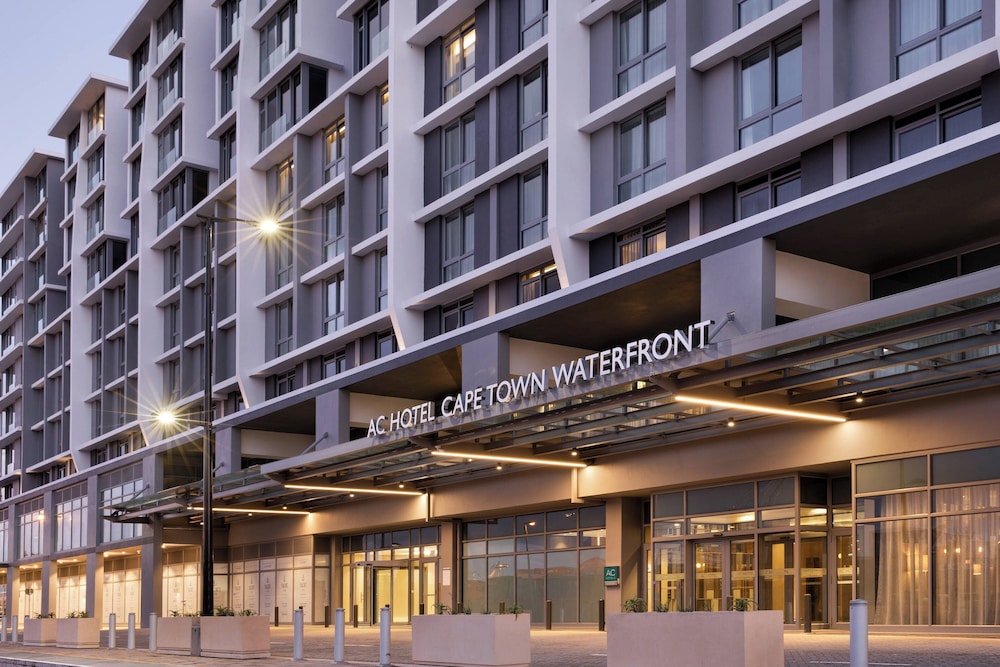
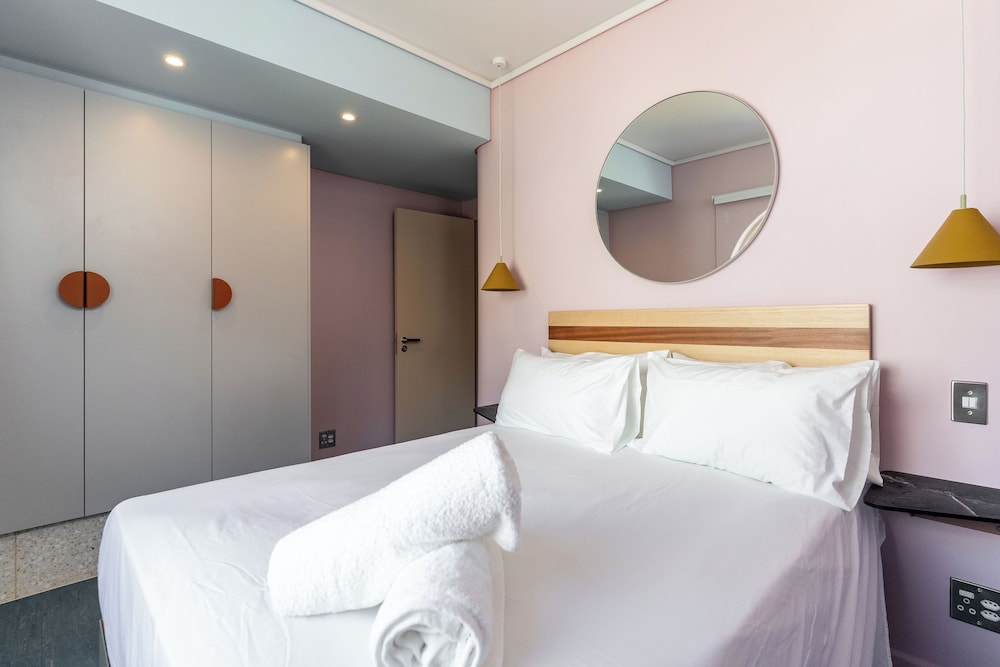
Hotels we cover across Cape Town
- Bellville Self Catering 3★
- Belmont House 3★
- Best of Kalk Bay 3★
- Best place ever beach style cozy apartment 3★
- Beulah Land Guest House 3★
- Big Bay Beach Club 21 3★
- Big Bay Beach Club G6 by Host Agents 3★
- Big Blue Backpackers 3★
- Blouberg Beach Retreat 3★
- Blouberg Cosy 2 bedroom house 3★
- Blouberg Guest Suites 3★
- Blouberg Mews 3★
- Blouberg Nautica and Studio Apartments 3★
- Bloubergstrand Beachfront Apartment with Secure Garage and Pool 3★
- Blue Mountain Guest House 3★
- Blue On Blue Bed and Breakfast 3★
- Bohemian Lofts Backpackers 3★
- Botany House Boutique Retreat 3★
- Bougain Villa CB206 3★
- Bougain Villas Apartments 3★
- Bradclin @ York Place 3★
- Braeside House 3★
- Bramber Court Apartments 3★
- Brand new luxury wifi pool with 24hr security 3★
More guides to Cape Town
All guides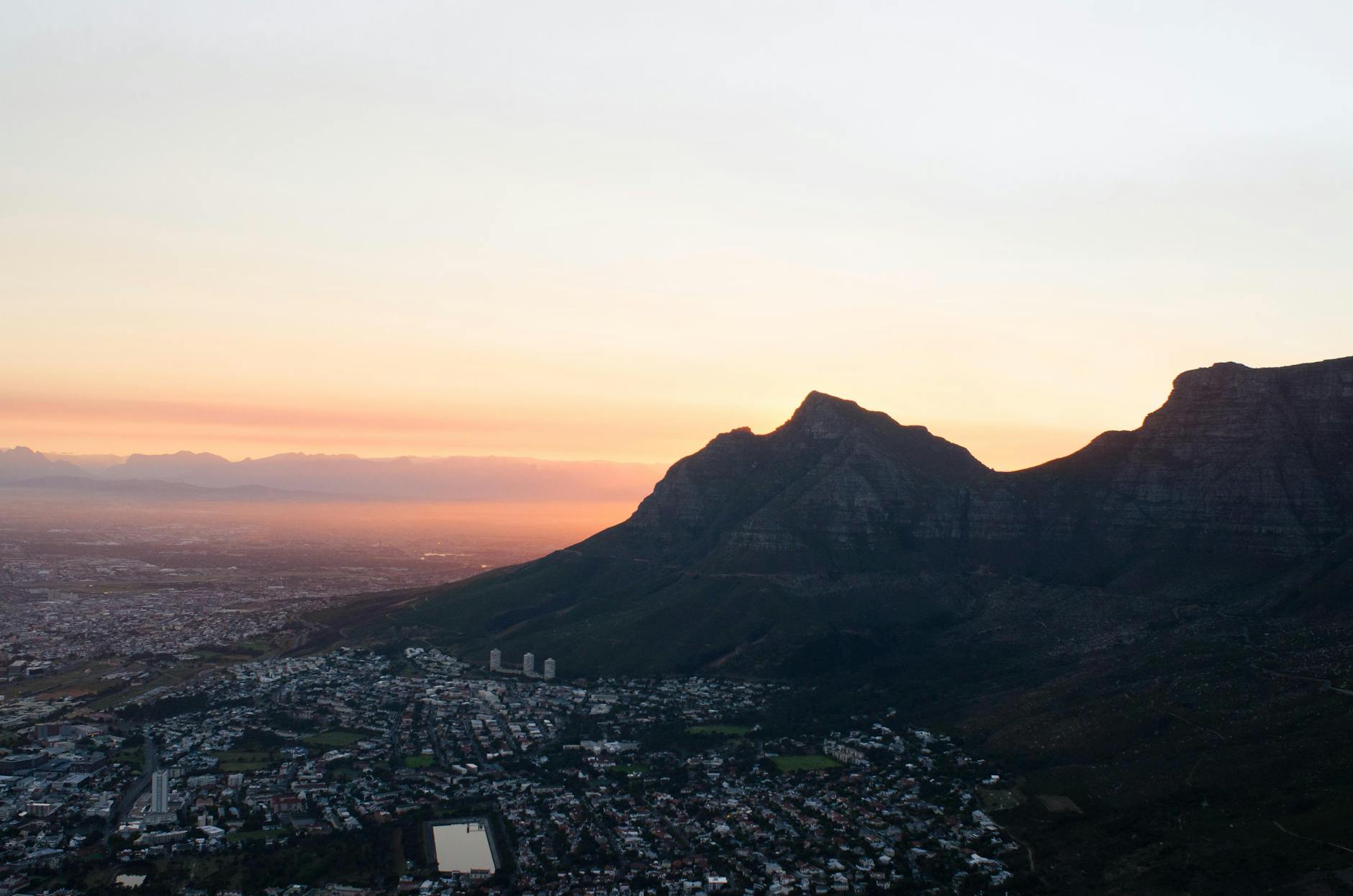 Itineraries · 9 min read
48 hours in Cape Town
Itineraries · 9 min read
48 hours in Cape Town
Two full days, one mountain, one peninsula drive and roughly R2,500 per person in entry fees, food and transport if you plan the order properly.
 Itineraries · 9 min read
Cape Town in 3 days on a budget
Itineraries · 9 min read
Cape Town in 3 days on a budget
Three days of mountain, coast and city for around R1,800 a person in fees, food and transport, by hiking what other people ride and eating where Capetonians actually eat.
 Itineraries · 9 min read
Cape Town in 3 days, upgraded
Itineraries · 9 min read
Cape Town in 3 days, upgraded
The same three days done properly: helicopter over the Twelve Apostles, private guide on the peninsula and two of the world's top 50 restaurants, for roughly R25,000 a head.
Compare rooms from Woodstock to Camps Bay, pay the same price as anywhere else, and remove a tonne of CO2 in the process.