Safety and street smarts in Cape Town
Cape Town has real crime and a mostly uneventful tourist experience. Here are the 10 specific habits — and the emergency numbers, starting with 10111 — that keep the two apart.
 Evening street scene on Bree Street in central Cape Town
The honest risk picture
Cape Town has one of the higher urban crime rates in the world, and that statistic is real. It is also heavily concentrated: the overwhelming majority of violent crime occurs in under-resourced areas on the Cape Flats, far from where visitors sleep, eat or hike, and is largely linked to gang and domestic conflict. What tourists actually encounter is opportunistic property crime — phone snatching, bag theft from restaurant chairs, smash-and-grab at traffic lights, and occasional muggings on isolated hiking paths and quiet streets after dark. These are avoidable with fairly mundane precautions.
The right mindset is neither paranoia nor denial. Treat Cape Town the way you would treat any large city with visible inequality: keep your valuables invisible, keep your attention up, and do not put yourself alone in an empty place at a quiet hour. Most visitors spend a week here without incident. The ones who have problems usually did one of a short list of things — walked from a bar at 2am with a phone in hand, left a laptop bag on the back seat, or hiked a mountain path alone at dawn.
The CBD, Long Street and walking at night
By day the City Bowl is busy, policed and fine to walk: Long, Loop, Bree, Kloof and St George's Mall all have foot traffic and Central City Improvement District officers in bright uniforms who will give directions and keep an eye on things. Greenmarket Square and the Company's Garden are comfortable in daylight. After around 21:00, the CBD's office blocks empty out and the picture changes street by street — Bree and Long stay populated because of the bars, while parallel streets a block away go dark and deserted.
The rules for evenings are simple. Walk in groups on well-lit main streets only, and take an Uber for anything longer than a few hundred metres. Do not carry a phone in your hand while walking; snatching from pedestrians is the single most common incident. Leave the passport, the second card and the expensive watch in the room safe. If someone demands your phone or bag, hand it over immediately — resistance is what turns a theft into an assault. Sea Point's Regent Road and the V&A Waterfront are the most comfortable areas late at night.
Table Mountain, Lion's Head and the trails
Muggings do occur on the mountain, most often on quiet trails at first light or dusk and on the less-used approaches around Signal Hill, Devil's Peak and the Deer Park side. Hike in a group of three or more, stick to popular routes at popular hours — Platteklip Gorge, India Venster, the Pipe Track, Lion's Head — and if a path feels empty, turn around. Carry minimal valuables and keep your phone in a zipped pocket. The Table Mountain Watch volunteers and SANParks rangers patrol the main routes, and reporting incidents genuinely helps.
Weather kills more people on Table Mountain than crime does. Cloud can descend in twenty minutes, temperatures at the top run five to eight degrees below the city, and the wind on the plateau is fierce. Carry a windproof layer, two litres of water, a headtorch and a charged phone, tell someone your route, and start early. Do not descend an unfamiliar gully to save time; most rescues involve people who left the marked path. Save the Table Mountain National Park emergency number, 086 110 6417, before you set off.
Beaches, water and sun
The Atlantic side — Camps Bay, Clifton, Llandudno — runs at 13 to 16 degrees year-round because of cold upwelling, cold enough to cause gasping and rapid loss of strength. Rip currents are common at Llandudno and Camps Bay, and lifeguards are only on duty in summer and school holidays. Swim between the flags, or use the tidal pools at Sea Point Pavilion, Camps Bay and St James, which are calm, monitored and free or a few rand to enter. False Bay water at Muizenberg and Fish Hoek is warmer at 17 to 20 degrees in summer.
False Bay has a genuine white shark history, though sightings have dropped sharply in recent years after orca predation on the local population. Shark Spotters operate flag systems at Muizenberg, Fish Hoek, Noordhoek and Glencairn: white flag means good spotting conditions, black means poor visibility, red means a shark has been sighted recently, and a siren with a white flag means one is in the water. Obey them without argument. The African sun is also fierce at this latitude — factor 50, a hat, and no midday exposure between 11:00 and 15:00 in summer.
Cars, parking and smash-and-grab
Smash-and-grab happens at traffic lights on specific corridors, particularly the N2 near the airport, parts of the M5 and some intersections around Woodstock and the eastern CBD. Drive with doors locked and windows up, leave a car's length ahead of you at lights so you can move, and keep bags, phones and cameras in the boot before you set off — not once you have parked, since watchers see that. Never leave anything visible in a parked car, including an empty backpack or a jacket, which are enough to prompt a broken window.
Park in staffed lots or busy metered bays with a car guard rather than a quiet residential street, especially at trailheads and beach car parks, where break-ins cluster. Use a garage overnight at R80 to R120 rather than the kerb. If you are stopped by police, keep hands visible and ask for identification; legitimate officers will produce it. Avoid driving through unfamiliar townships at night, do not use back routes suggested by navigation apps through areas you do not know, and stick to the N2, M3 and M5 after dark.
Townships, tours and doing it properly
Langa, Gugulethu, Khayelitsha and Bo-Kaap are worth visiting and are a huge part of what Cape Town is, but the way you go matters. Go with a guide who lives there — operators based in Langa and Khayelitsha run walking tours, food experiences, jazz nights and homestays, typically R450 to R900 per person including transport — rather than driving in on your own to photograph people's houses. The good tours put money into the neighbourhood, take you into homes, shebeens and workshops, and are properly informative about District Six, forced removals and the present day.
The same logic applies to Bo-Kaap, which is a living residential Muslim neighbourhood rather than a photo backdrop. Walk Wale, Chiappini and Rose Streets by day, buy something from the bakeries and spice shops, ask before photographing anyone's front door, and dress modestly near the mosques. The Bo-Kaap Museum on Wale Street costs about R60 and is a good half hour. Avoid wandering the upper slopes alone late at night. Common courtesy here is also the practical safety strategy, because being an obvious, respectful guest changes how people treat you.
Load shedding, health and emergency numbers
Load shedding — scheduled national power cuts in two-hour blocks — affects traffic lights, ATMs, security systems and street lighting. Download the EskomSePush app to see your area's schedule. Treat dark intersections as four-way stops, avoid walking in unlit streets during a block, and check your accommodation has an inverter or generator. Petty crime ticks up during outages in some areas, so plan your evening movements around the schedule. Keep a power bank charged; mobile networks sometimes degrade during long stages when tower batteries run flat.
Save these numbers: police 10111, ambulance 10177, and 112 from any mobile, which routes to an emergency call centre. Table Mountain National Park emergencies: 086 110 6417. The NSRI sea rescue line is 087 094 9774. Private hospitals such as Christiaan Barnard Memorial in the CBD and Netcare Christiaan Barnard offer excellent care but require travel insurance or upfront payment; take out proper cover before you travel. Tap water in Cape Town is safe to drink. No malaria risk exists in the Western Cape and no vaccinations are required for most visitors.
Frequently asked questions
What people ask before they set off on this one.
For most visitors, yes, with sensible precautions. Crime is high in absolute terms but heavily concentrated in areas far from tourist neighbourhoods, and what visitors typically face is opportunistic theft rather than violence. Keep your phone out of sight while walking, use Uber after dark, do not hike alone, leave nothing visible in a car, and stay on populated streets at night. Millions of tourists visit each year without incident.
On busy, well-lit stretches such as Bree Street, Kloof Street, Regent Road in Sea Point and the V&A Waterfront, walking short distances in a group is normal. Anywhere else — quiet CBD side streets, the Company's Garden, Signal Hill Road, De Waterkant's back lanes — take an Uber, which costs R60 to R100. Never walk with a phone in your hand. If confronted, hand over your belongings immediately and do not resist.
No, hiking alone is the one clearly avoidable risk. Muggings happen on quiet trails, particularly early morning and at dusk on less-used routes. Go in a group of three or more, use popular paths such as Platteklip Gorge, the Pipe Track and the Lion's Head spiral at busy times, and carry minimal valuables. Weather is the bigger danger overall: bring a windproof layer, two litres of water and a headtorch, and save 086 110 6417.
Swim between the flags where lifeguards are on duty, which is mainly in summer and school holidays. Atlantic beaches are 13 to 16 degrees and have strong rips at Llandudno and Camps Bay. On the False Bay side, follow the Shark Spotters flags at Muizenberg, Fish Hoek and Noordhoek — red means a recent sighting and a siren means leave the water immediately. Tidal pools at Sea Point Pavilion, St James and Camps Bay are the safest option.
With a guide who is from the area, yes, and it is one of the most worthwhile things you can do here. Langa, Gugulethu and Khayelitsha operators run walking tours, food experiences and jazz evenings at roughly R450 to R900 per person including transport. Do not drive in independently, especially at night, and never photograph people or homes without asking. Choose an operator that is community-owned so the money stays in the neighbourhood.
Hand over everything immediately and without argument — phones and wallets are replaceable and resistance is what escalates these incidents. Once safe, call 10111 or 112, then report at the nearest police station to get a case number for insurance. Cancel your cards immediately using the numbers you saved offline beforehand. Carrying a cheap secondary phone and a small amount of cash as a decoy is a common local strategy.
Hotels in Cape Town
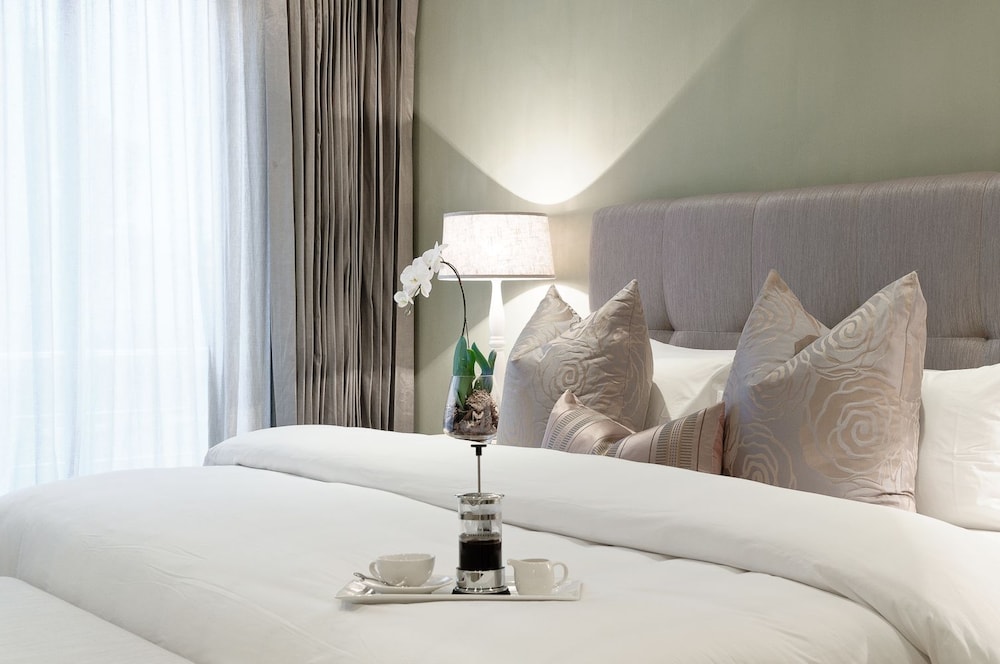
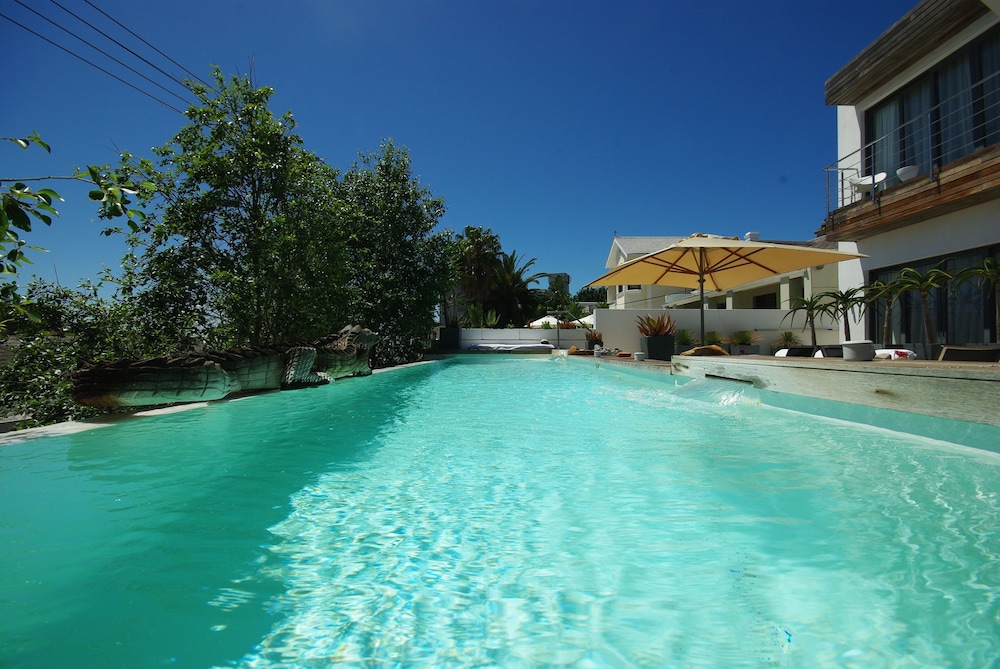
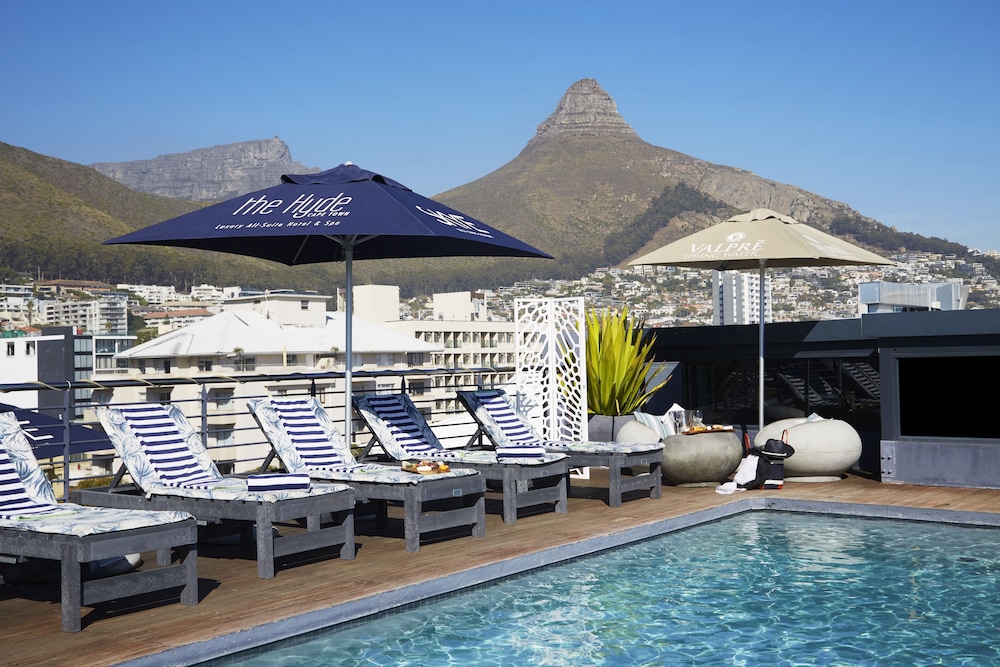
Hotels we cover across Cape Town
- Colette’s B&B 3★
- Comfy Studio CoWorking City Views 3★
- Constantia River Cottage 3★
- Constantia Vista 3★
- Conveniently located getaway 3★
- Coral Island 104 3★
- Corner Cottage 3★
- Cosy Chalet With Private Patio in Constantia the Leafy Suburb of Cape Town 3★
- Cosy Couples Retreat Studio Apartment 3★
- Cosy Little Sea View Flat 3★
- Cosy Nest Uncapped Wi fi & Self Check in 3★
- Cosy Studio in Prime Location 3★
- Cottage Luxury Apartment 3★
- Couples Retreat Bar Library 24 hour Security 3★
- Cozy Business overnighter 3★
- Cozy corner apartment Muizenberg 3★
- Cozy garden Guest Suite in charming Claremont 3★
- Cozy Quirky Cottage 3★
- Croxteth Victorian 3★
- Crystal Villa Guesthouse 3★
- D’Aria Guest Cottages 3★
- Daddy Long Legs Self Catering Apartments 3★
- De Blauwvoet Flamingo Apartment 3★
- De Waterkant Guest Suites 3★
More guides to Cape Town
All guides Itineraries · 9 min read
48 hours in Cape Town
Itineraries · 9 min read
48 hours in Cape Town
Two full days, one mountain, one peninsula drive and roughly R2,500 per person in entry fees, food and transport if you plan the order properly.
 Itineraries · 10 min read
One week in Cape Town
Itineraries · 10 min read
One week in Cape Town
Seven days split as four in the city, two in the Winelands and one on the whale coast, with a realistic all-in spend of about R12,000 per person excluding flights.
 Itineraries · 9 min read
Cape Town in 3 days on a budget
Itineraries · 9 min read
Cape Town in 3 days on a budget
Three days of mountain, coast and city for around R1,800 a person in fees, food and transport, by hiking what other people ride and eating where Capetonians actually eat.
Compare rooms from Woodstock to Camps Bay, pay the same price as anywhere else, and remove a tonne of CO2 in the process.