How Many Days Do You Need in Cape Town? A Planning Guide
 How Many Days Do You Need in Cape Town? A Planning Guide
Cape Town rewards a week, works well in four or five days, and punishes anyone who tries to see the Peninsula, the Winelands and Table Mountain in a weekend.
The honest minimum: three to four days
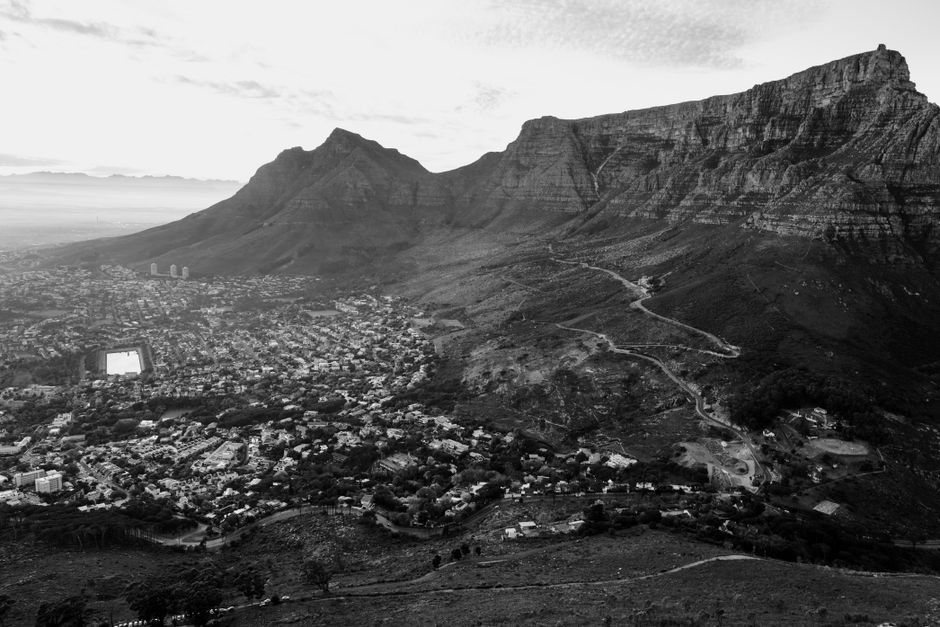
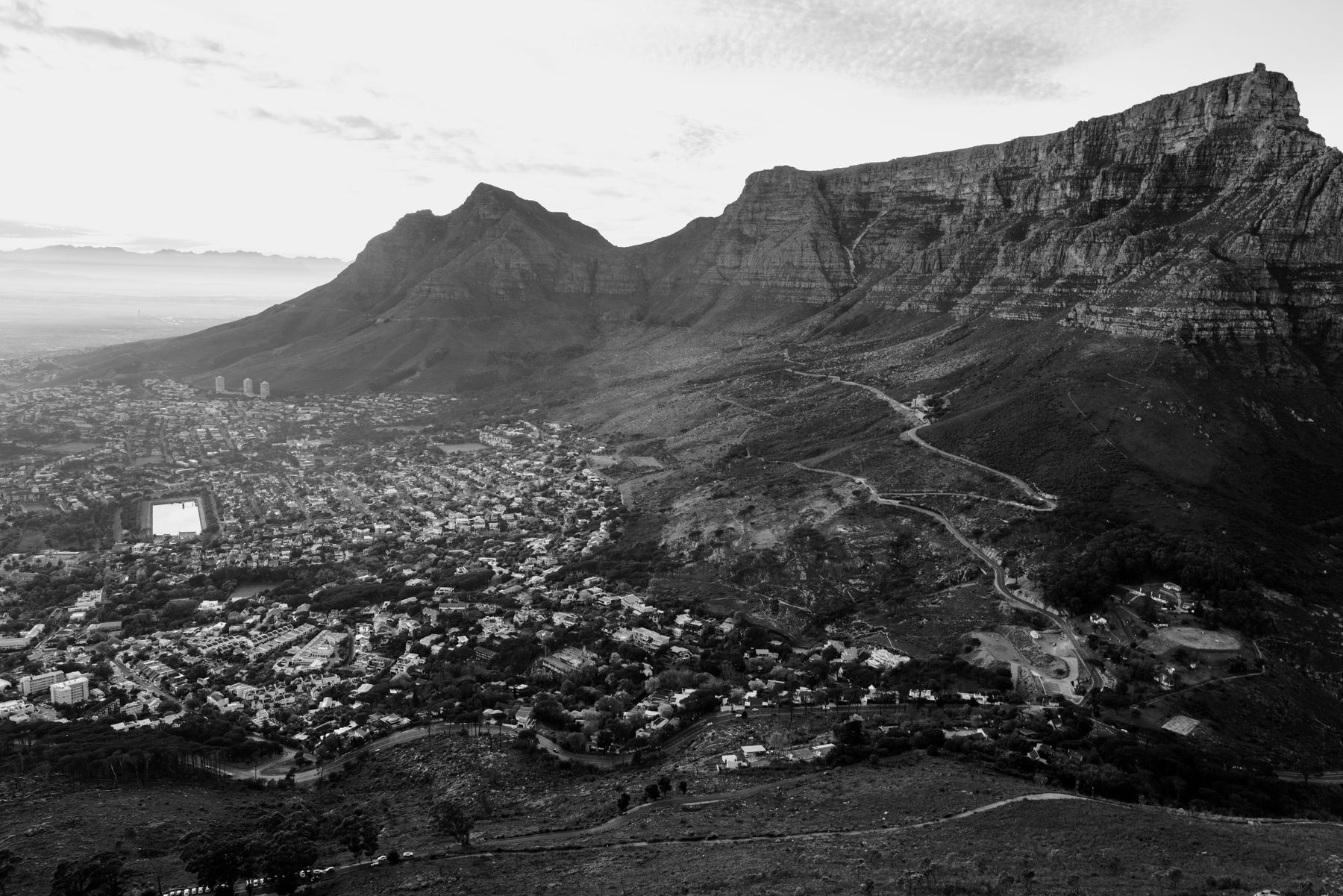
Three nights gives you one full day for the Table Mountain cableway and the City Bowl, one for the Cape Peninsula, and one for the V&A Waterfront and Robben Island ferry. It is enough to leave with a sense of the city, but not enough to absorb it. The cableway closes in high wind, so build in a spare morning; a late-October or March visit is calmer than the December-January peak, when queues at the lower station can swallow two hours.
Four days is the sensible floor for a first visit. Add a day for Kirstenbosch National Botanical Garden and the Constantia wine estates — Groot Constantia and Klein Constantia are 20 to 25 minutes by car from the city centre — and you stop feeling rushed. Stay in the City Bowl or Gardens for this length: you can walk to Kloof Street restaurants and reach the cableway in ten minutes by taxi.
Five to seven days: the sweet spot
Five to seven days lets you treat the city as a base rather than a checklist. Give one day to the Cape Peninsula properly: drive via Chapman's Peak Drive to Cape Point, stop at Boulders Beach in Simon's Town for the penguins, and return through Muizenberg. Do the Winelands on another day — Stellenbosch and Franschhoek are each roughly 45 to 60 minutes from the city by car, and a shared shuttle avoids the designated-driver problem.
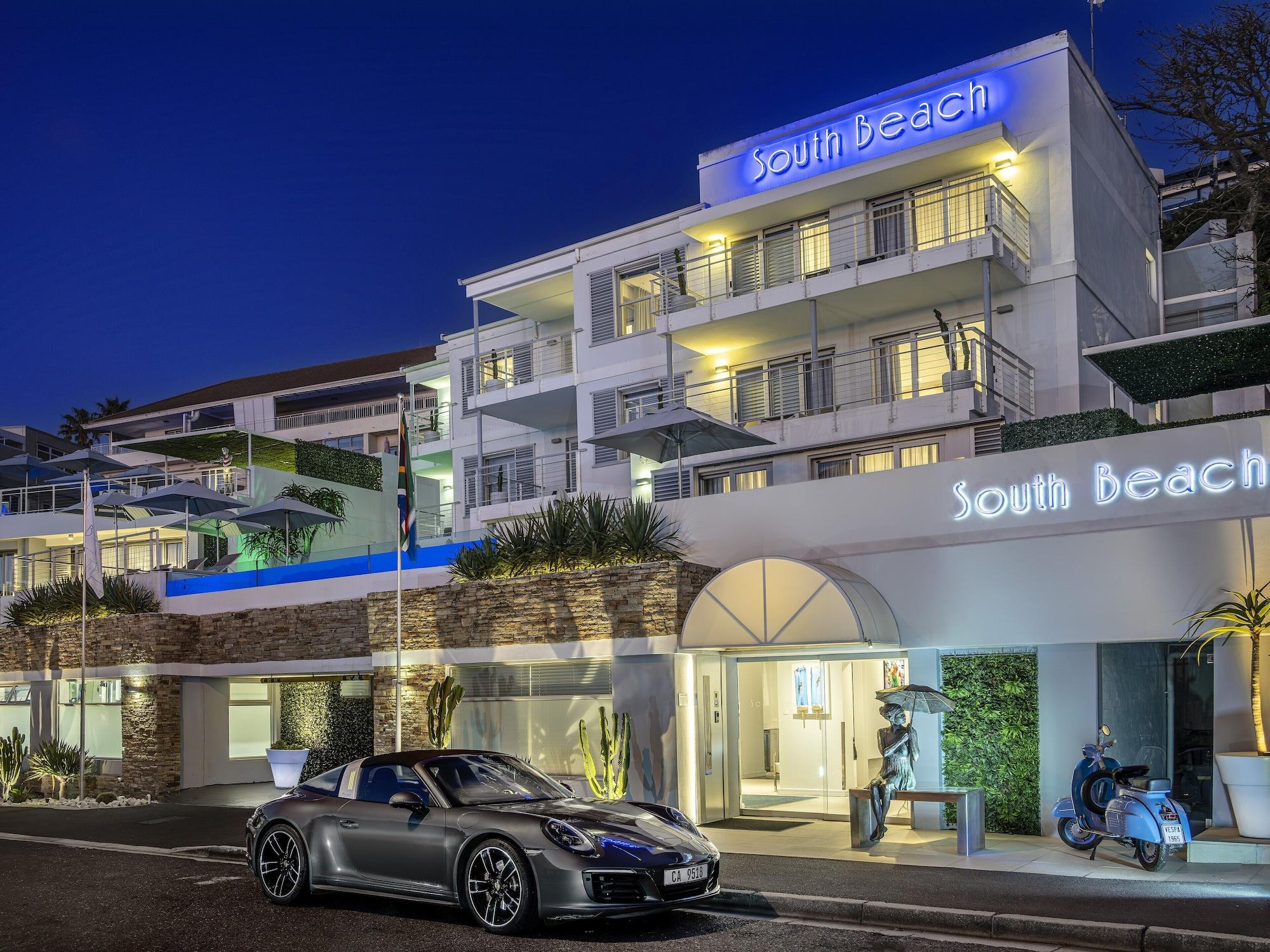
A week also opens the Atlantic Seaboard: Sea Point, Bantry Bay, Camps Bay. Camps Bay hotels carry the highest summer rates in the city, and for good reason — the beach and the Twelve Apostles backdrop. I would book Sea Point instead: the promenade is flat and walkable, the restaurants are cheaper, and it is 15 minutes from the Waterfront. Green Point and De Waterkant suit anyone who wants to walk to dinner.
When a week is not enough
Ten days to two weeks starts to make sense if you want to slow down. Add a morning at the Castle of Good Hope and the District Six Museum, a day trip to Hermanus for whales between roughly June and November, and a couple of lazy afternoons on Clifton beaches. The weather is the real argument for length: the Cape Doctor wind blows hard from roughly November to February, and winter rain arrives in June and July.
Budget bands help here. Backpacker beds in the City Bowl sit at the bottom of the market; mid-range guesthouses in Observatory and Woodstock sit in the middle; five-star properties on the Waterfront and in Camps Bay top it. Rates swing sharply between December and May, so booking early for the December peak matters more than booking early for March.
What to skip and how to pace it
Skip the hop-on hop-off bus if you have a car — it eats a day and stops where the crowds are. Skip a Winelands day if you are in Cape Town for three nights only; the Peninsula deserves the time more. Do not attempt Table Mountain, Robben Island and the Waterfront on the same day: the ferry alone takes about four hours including the tour.
Pace the city by geography. Group City Bowl, Bo-Kaap and the Waterfront together; group the Peninsula as one long loop; keep the Winelands as a separate day. Traffic on the N1 and Nelson Mandela Boulevard is heavy from about 07:00 to 09:00 and again from 16:30, so plan drives around it. Book a hotel you can return to easily at the end of a long day.
Before you book
The questions people ask about Cape Town, answered with this month’s numbers.
Four days covers Table Mountain, the Cape Peninsula, Robben Island and the Waterfront, plus one relaxed afternoon at Kirstenbosch or Constantia. It is the practical minimum for a first visit. Five days removes the rush entirely.
March to May and September to November give mild weather, fewer crowds and lower room rates. December and January are the busiest and most expensive. June and July are wet and windy but quiet, with the lowest prices of the year.
The City Bowl and Gardens suit walkers and first-timers. Sea Point and Green Point offer good value near the promenade. Camps Bay is beautiful but the priciest in summer. De Waterkant is central and quiet in the evenings.