Hout Bay Harbour: Seals, Boats and How to Help Local Crews
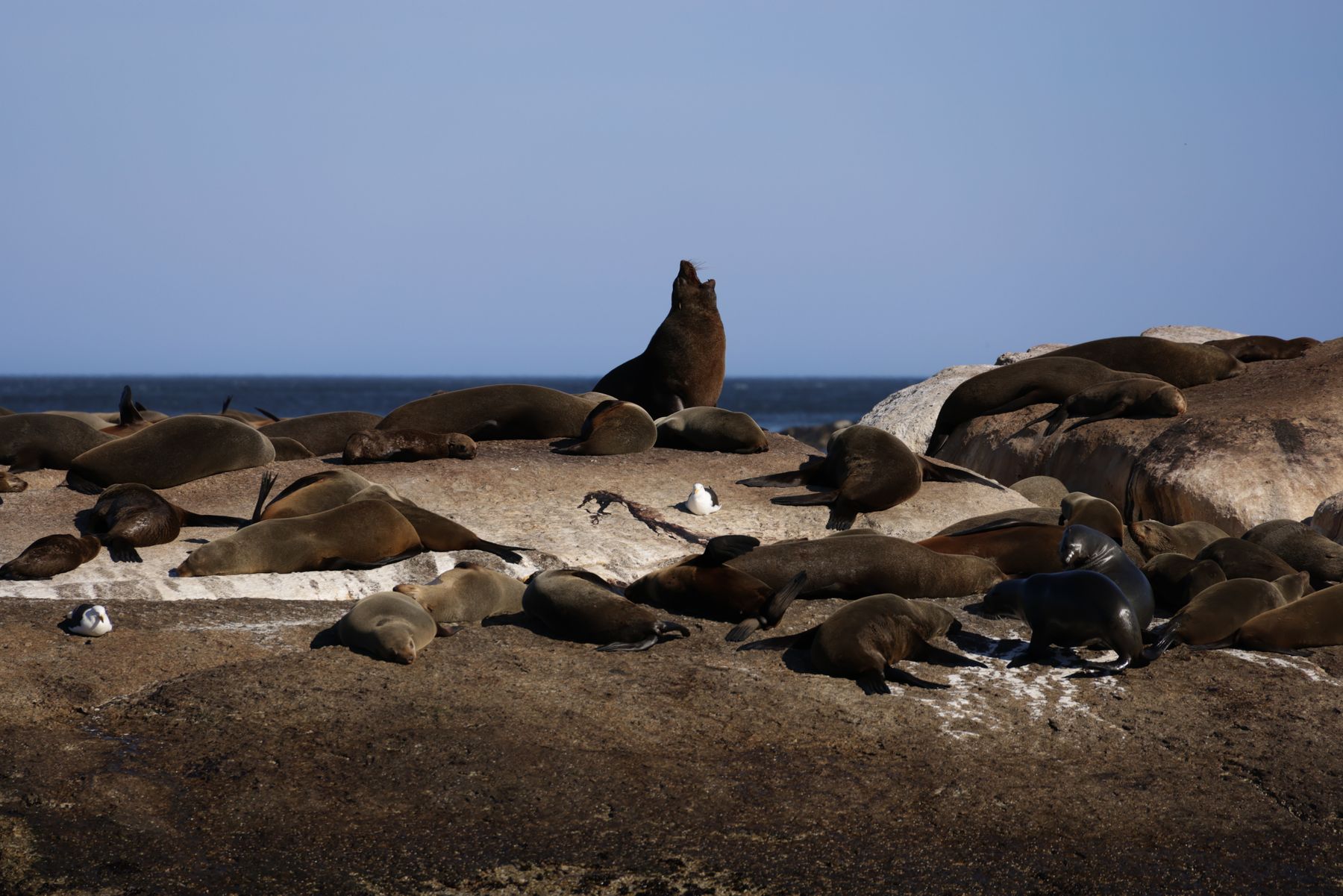 Hout Bay Harbour: Seals, Boats and How to Help Local Crews
Plan a morning at Hout Bay's working harbour, where you can meet Cape fur seals, watch fishing boats unload, and support the crews who call this bay home.
Getting There and First Impressions
Hout Bay lies about 20 kilometres south of central Cape Town, a 30-minute drive via the M3 or the coastal M6 through Camps Bay. If you are based in the City Bowl or Atlantic Seaboard, an early start by car is easiest; ride-hailing apps cost roughly R150–R250 one way. By public transport, take a MyCiTi bus to Imizamo Yethu or a minibus taxi from Wynberg, but for a stress-free visit, driving or booking a shuttle is simpler. Parking near the harbour is limited, so arrive before 9 am to secure a spot.
The harbour itself is a working port, not a polished tourist attraction. You will see fishing trawlers, seal-processing plants, and the catch being weighed. The smell can be strong on warm days, but it is part of the authentic experience. The best months to visit are October to March, when the weather is dry and sunny, though the harbour is active year-round. Avoid visiting on Sundays when many fish shops are closed, and be mindful that this is a community space—respect the crews at work.
Seals, Boats and Harbour Life
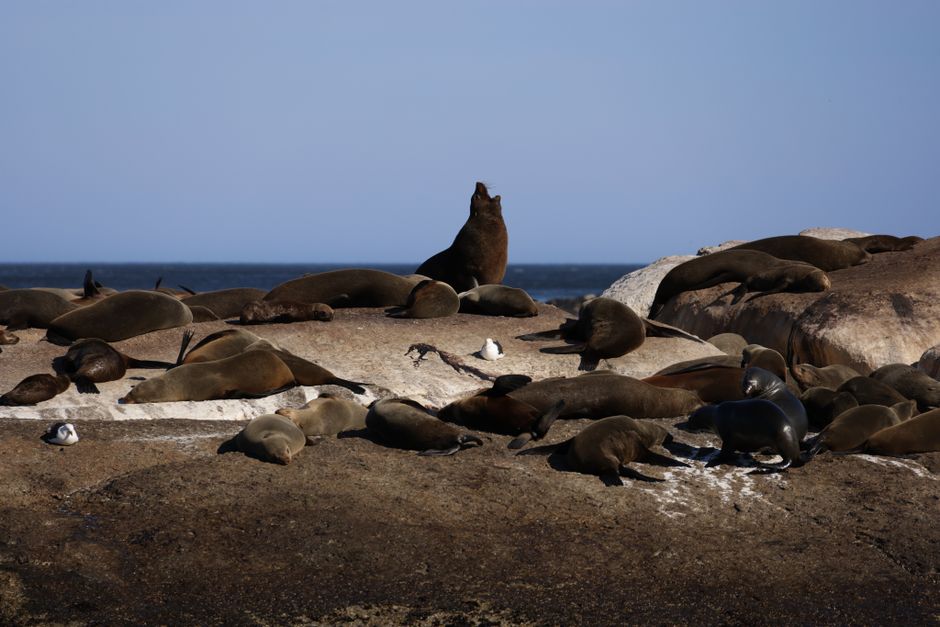
The Cape fur seals are the main draw for many visitors. You will find them lounging on the pier near the fish cleaning stations, waiting for scraps. While they look approachable, keep a respectful distance—they are wild animals and can bite if provoked. For a closer encounter, boat operators run trips to Duiker Island, a 15-minute ride from the harbour, where you can see hundreds of seals in their natural habitat. Trips typically last 45 minutes and cost around R100–R150 per person. Book directly with operators at the harbour; the first boats leave around 8:30 am.
Beyond seals, the harbour is a hub for fishing charters and scenic cruises. You can join a deep-sea fishing trip for snoek or yellowtail, or take a sunset cruise along the Atlantic coast. The Hout Bay Yacht Club is nearby, and on weekends you might catch a race. For a land-based view, walk to the harbour wall for panoramas of the bay and Sentinel Mountain. If you prefer to skip the boat trips, the nearby Hout Bay Market (open weekends) offers crafts and food, but it is more commercial and less authentic than the working harbour.
Supporting Local Crews and Where to Stay
The crews who work these boats are part of a tight-knit community that has faced challenges, from declining fish stocks to economic pressures. You can support them by buying directly from the fish shops on the pier—look for fresh snoek, hake, or yellowtail at fair prices—or by booking a boat trip with a local operator rather than a large tour company. Tips are appreciated but not mandatory. Avoid buying souvenirs from informal sellers unless you are sure the money stays local; instead, grab a meal at one of the small eateries near the harbour, like the fish and chips stands, which source their catch from the boats.
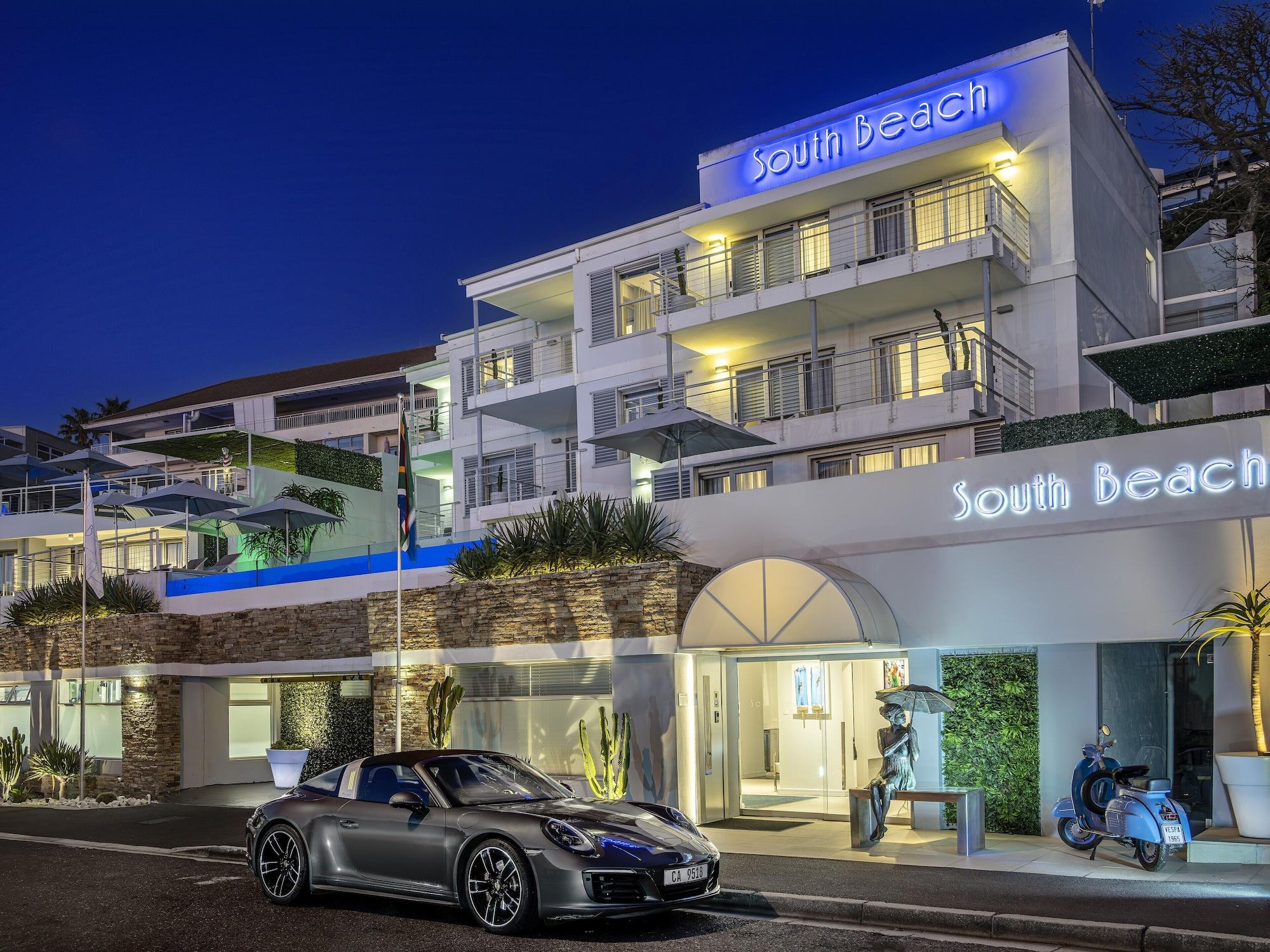
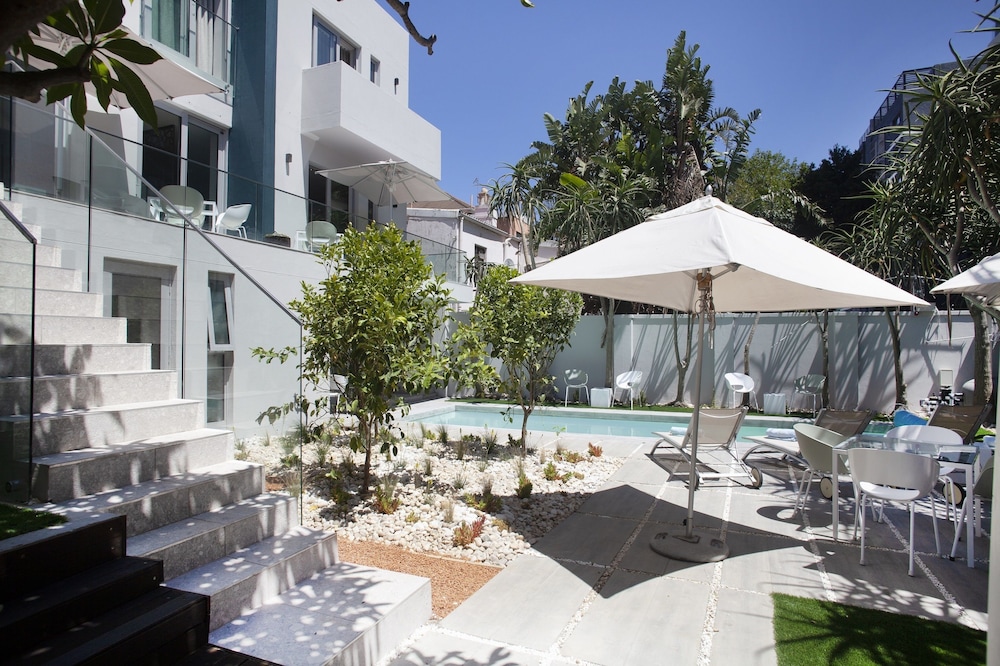
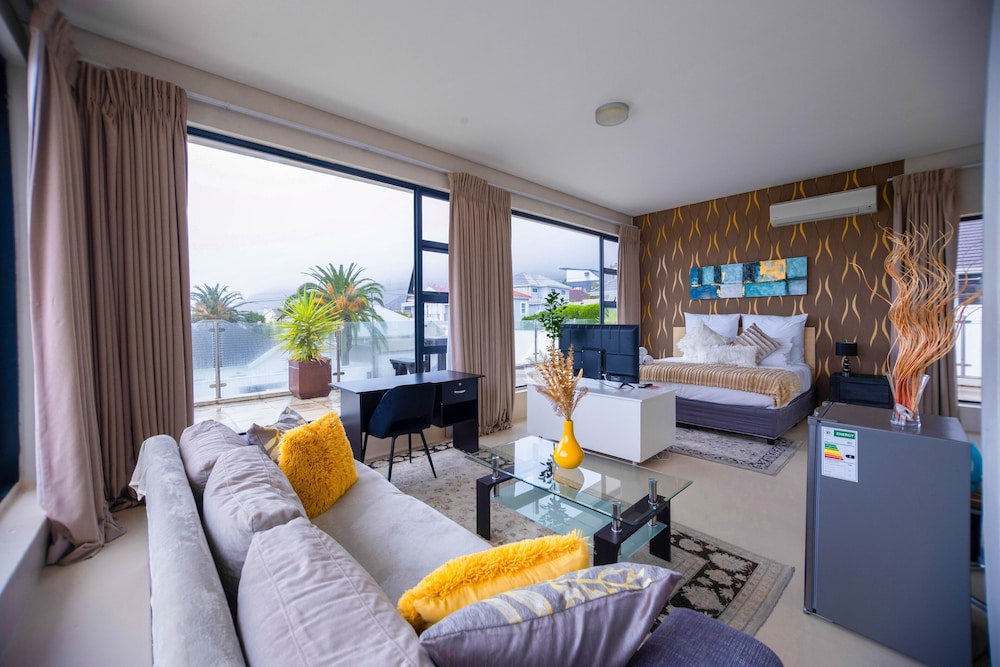
For accommodation, staying near Hout Bay gives you easy access to the harbour and the rest of the Cape Peninsula. The bay itself has guesthouses and self-catering cottages, but for a wider choice, consider the Atlantic Seaboard suburbs of Camps Bay or Bakoven, which are a 20-minute drive away and offer more hotels. If you want to be close to the action, book a place in Hout Bay village, within walking distance of the harbour. I would choose a guesthouse in Hout Bay for a quieter stay, but if you prefer nightlife and restaurants, Camps Bay is better. Use our site to compare options and book with confidence.
Before you book
The questions people ask about Cape Town, answered with this month’s numbers.
The easiest way is by car or ride-hailing app, which takes about 30 minutes via the M3 or M6. Alternatively, take a MyCiTi bus to Imizamo Yethu and walk 10 minutes. Minibus taxis from Wynberg are cheaper but less direct.
Seals are present year-round, but the best time is during the morning when boats depart for Duiker Island. Trips start around 8:30 am and run throughout the day, weather permitting. Avoid windy days when the sea is rough.
Buy fish directly from the harbour shops, book boat trips with local operators, and eat at small harbour eateries that source from the boats. Tipping is optional but appreciated. Avoid intermediaries where possible.