Cape Town at an Easy Pace: Transport, Neighbourhoods and When to Go
 Cape Town at an Easy Pace: Transport, Neighbourhoods and When to Go
A practical guide for older travellers to Cape Town's calmer corners, sensible transfers and the months that suit slow days out.
Choosing a base that spares your legs
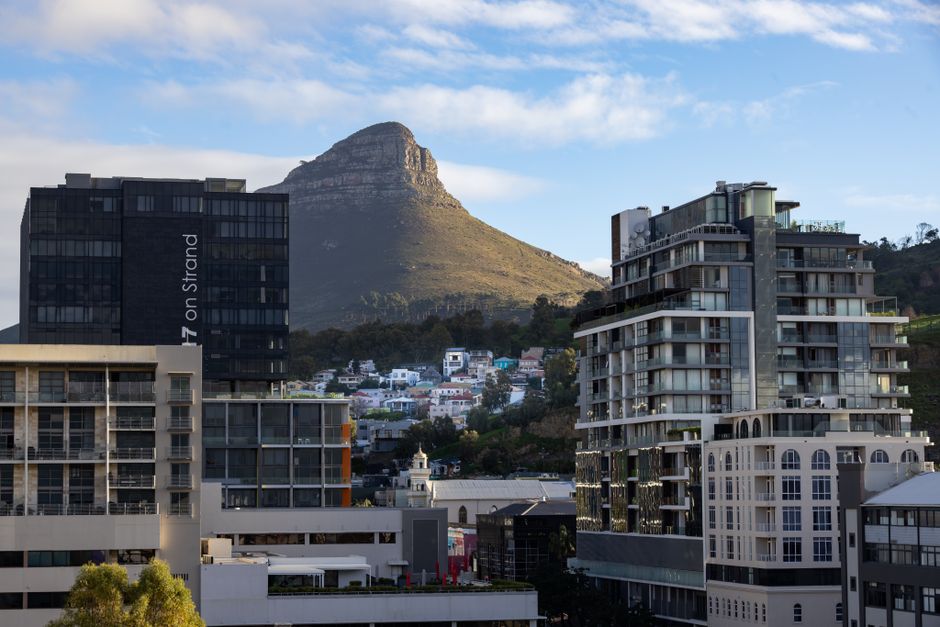
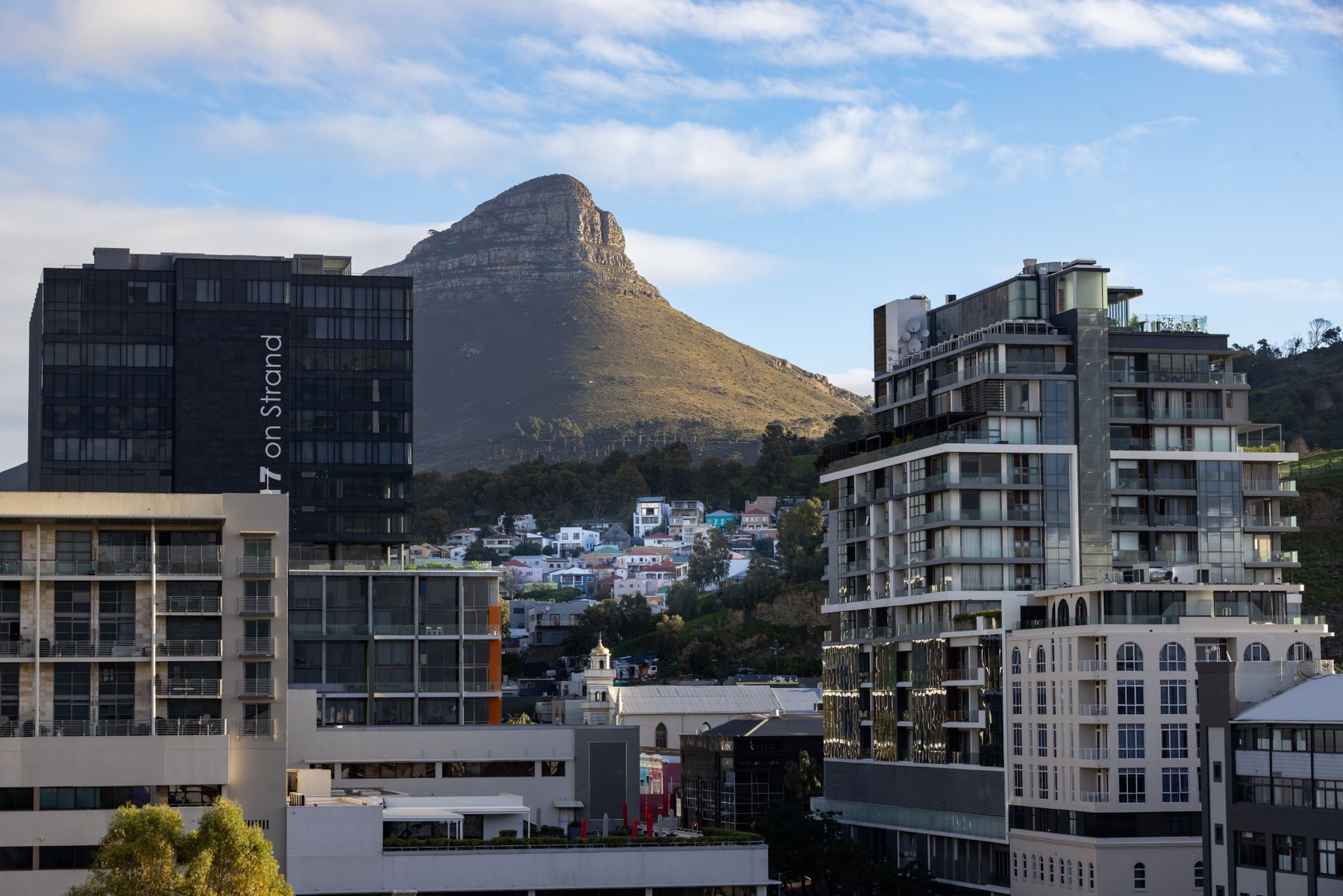
The City Bowl rewards anyone who would rather walk less and see more. Stay around Gardens or the lower slopes of Oranjezicht, where streets are shaded, pavements are wider and the Company's Garden gives you a flat, bench-lined loop fifteen minutes from most hotels. Sea Point and Mouillebouais suit a gentler rhythm entirely: the promenade is level for kilometres, the MyCiTi bus stops along it, and restaurants cluster within a short stroll. Expect mid-range rooms in these areas from roughly what you would pay in a European regional city, with sea-facing premiums in high season.
Woodstock and De Waterkant look charming online but involve steep gradients and cobbles in places; worth a visit, less pleasant as a nightly base. Green Point sits between the two, close to the stadium and the V&A Waterfront, with reliable pavements. If you want a single piece of advice: book Sea Point for a week-long stay and keep the City Bowl for short museum-and-garden days, because the promenade is where most travellers end up walking anyway.
Getting around without a car
Cape Town's MyCiTi bus is step-free at most stops, takes a rechargeable card rather than cash, and links the Waterfront, City Bowl, Sea Point and Camps Bay on frequent routes. It is not fast in traffic, but it is predictable. Metered taxis and ride-hailing apps fill the gaps cheaply for short hops; agree the fare or check the app estimate before setting off. The hop-on sightseeing buses reach Kirstenbosch, Table Mountain and Constantia without any driving, and senior fares exist on some services, so ask at the ticket desk rather than assume.
Driving yourself is manageable but not restful. Distances deceive: the airport to Sea Point is around twenty-five minutes outside peak traffic and closer to fifty in the morning rush, while Cape Point is a ninety-minute run each way on the M65 and M4. If you hire a car, choose an automatic and avoid the CBD between seven and nine. For Winelands days, a private driver for the day splits well between two couples and removes any question about tasting and driving. Trains exist but I would not build a holiday around them.
Days out that respect a slower pace
Kirstenbosch is the easiest grand day out: gently sloping paths, a tea room, and wheelchair-friendly routes around the main lawns, though some upper trails climb sharply. Allow three hours rather than a full day. Robben Island ferries leave from the Waterfront and involve a bus tour on the island plus walking; sea conditions can be rough, so morning sailings are usually kinder. Table Mountain's cable car rotates and has step-free access at the lower station, but the summit paths are uneven and the queue can eat an hour; going up late afternoon in March often means shorter waits and softer light.
The Winelands suit gentle days well. Stellenbosch's town centre is compact and flat around Die Braak, and a handful of estates near Franschhoek have level cellar tours and shaded terraces. The Cape Point drive is spectacular but long and windy; I would swap it for a shorter Chapman's Peak run and a stop at Noordhoek beach. Skip the crowded V&A on weekend evenings, and skip organised township tours unless a guide you trust has been recommended locally.
Timing your visit round the weather
February and March are the sweet spot: warm but not fierce, with the summer wind easing and fewer families than in December. November is quieter still and prices soften before the December spike. April brings golden afternoons and the first rain, and May to August is genuinely cold and wet, though hotel rates drop sharply and museums, galleries and the Waterfront stay open. If you are heat-sensitive, avoid late January, when the southeaster can make the Atlantic seaboard blustery for days.
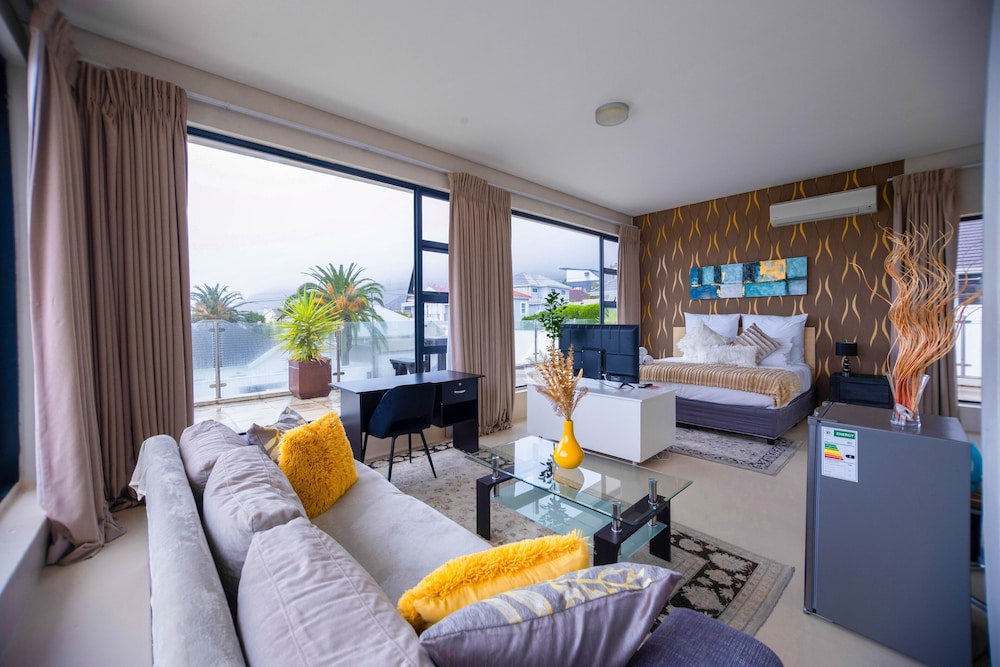
Book accommodation early for the December holidays and again for the first week of January, when Capetonians themselves take to the coast. Outside those windows, a fortnight ahead is usually enough for Sea Point or Gardens. Ask your hotel about ground-floor rooms, lifts and airport transfers before confirming; small guesthouses often lack lifts, and a sea-view room on the third floor is no bargain if the stairs are steep. Given current demand, Cape Town rooms move fastest for February, so secure that month first.
Before you book
The questions people ask about Cape Town, answered with this month’s numbers.
Parts of it are. The Sea Point promenade, the V&A Waterfront and the Company's Garden are level and well paved. The City Bowl and De Waterkant have steep streets and cobbles, so plan short taxi hops between sights rather than long walks. Choose hotels with lifts and ask about step-free entrances.
A private driver for the day, shared between two or four people, avoids the stress of parking and tasting. The drive to Stellenbosch takes about forty-five minutes outside rush hour, and to Franschhoek around an hour. Guided small-group tours from the City Bowl are another straightforward option.
Late January brings strong southeaster winds, and June to August is cool and wet, though quieter and cheaper. December and early January are the busiest and priciest weeks. February, March and November offer the most comfortable conditions for slow days out and gentle walking.