Bo-Kaap on Foot: A Self-Guided Colour Walk in Cape Town
 Bo-Kaap on Foot: A Self-Guided Colour Walk in Cape Town
A practical route through the cobbled streets above the city centre, with the timing, gradients and etiquette that make the walk work.
Start at Wale Street and climb slowly
Begin at the Bo-Kaap Museum on Wale Street, a short walk from the Groote Kerk and about ten minutes on foot from Cape Town station. The museum sits in an eighteenth-century house and sets out the area's Cape Malay history before you meet a single painted facade. Go early, ideally between 8am and 10am, when the light is soft, the streets are quiet and the tour buses have not arrived. Weekday mornings are calmer than Saturdays, and February to April gives the most reliable dry, windless weather.
From Wale Street, take Chiappini Street uphill and let yourself wander the grid of lanes between Buitengracht and Bree. The famous colours — lime, ochre, turquoise, hot pink — are mostly on the lower slopes, along Chiappini, Rose, Wale and Shortmarket. The gradient is real: the Bo-Kaap climbs the flank of Signal Hill, so expect steep cobbles and uneven paving. Wear shoes with grip, carry water, and plan roughly two hours for a gentle loop of about two kilometres with plenty of stops.
What to look at, and how to behave
The colours are private homes, not a set. Doorsteps, stoeps and washing lines are people's front rooms in the open air, so photograph from the street rather than through gates, and ask before pointing a lens at anyone. The area has been residential since the 1760s and remains a tight-knit community; the Bo-Kaap Civic and Ratepayers Association has campaigned for years against over-development, and respectful visitors are part of that story. Look up for the minarets of the Auwal Mosque on Dorp Street, the oldest in South Africa, and the Nurul Islam Mosque on Buitengracht.
Combine the walk with the Company's Garden, a fifteen-minute downhill stroll via Wale Street, or continue up to the Signal Hill viewpoint for Table Mountain and harbour panoramas. Skip the open-top bus circuit for this particular neighbourhood — the streets are too narrow to see anything useful from a vehicle. If you want a guide, local operators run two-hour walks from around the museum; otherwise a printed map from the museum shop is enough. The slope is not wheelchair-friendly in the upper lanes.
Eating, drinking and the timing of a day
Cape Malay cooking is the reason many people linger: bobotie, denningvleis, koesisters dusted in cinnamon sugar, and sosaties. Expect casual cafés around Wale and Bree streets and a few small bakeries selling koesisters in the morning, best before 11am when they sell out. Prices sit in the everyday range for Cape Town — a coffee and a pastry costs less than a sit-down lunch, and a full Cape Malay plate is mid-range. Rose Street has a handful of small spots; Bree Street, ten minutes downhill, has the widest choice for a longer meal.
Build the day around heat and wind. Summer, December to February, brings the southeaster — locals call it the Cape Doctor — which can whip through the lanes by afternoon, so walk before noon. Winter, June to August, is greener and cheaper for hotels but wetter; a morning window often works. After the walk, drop into the Bo-Kaap Museum, then walk down to Bree Street for lunch or the V&A Waterfront via a short taxi ride. Allow the colours to be the morning, not the whole day.
Where to stay for this walk
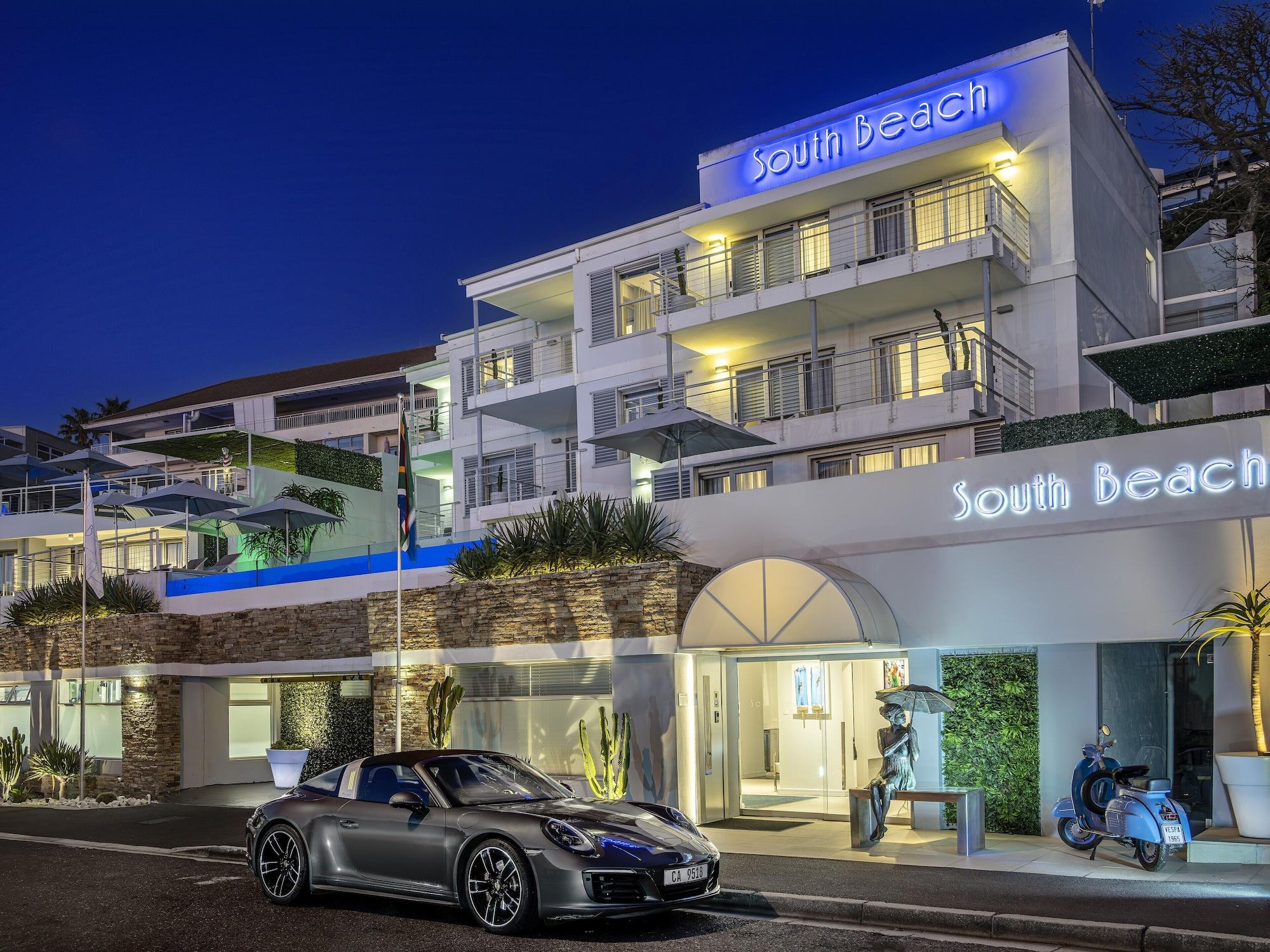
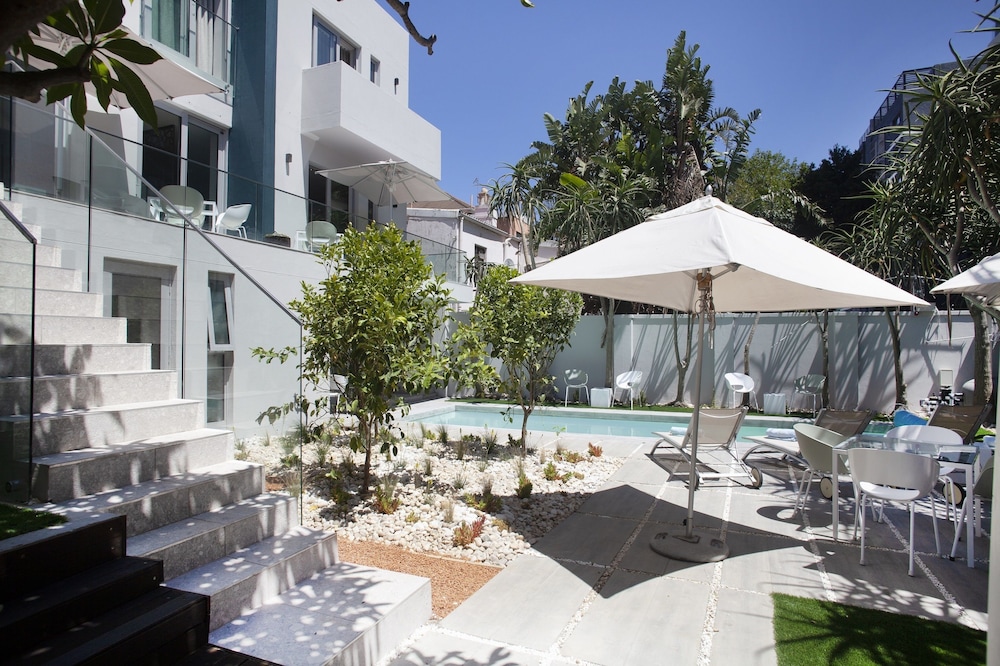
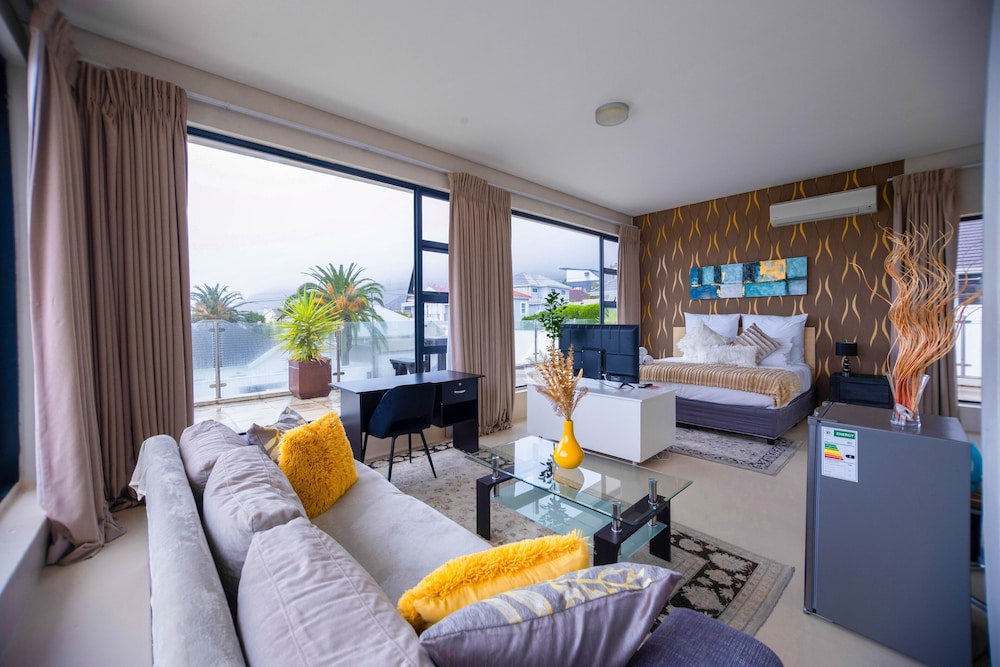
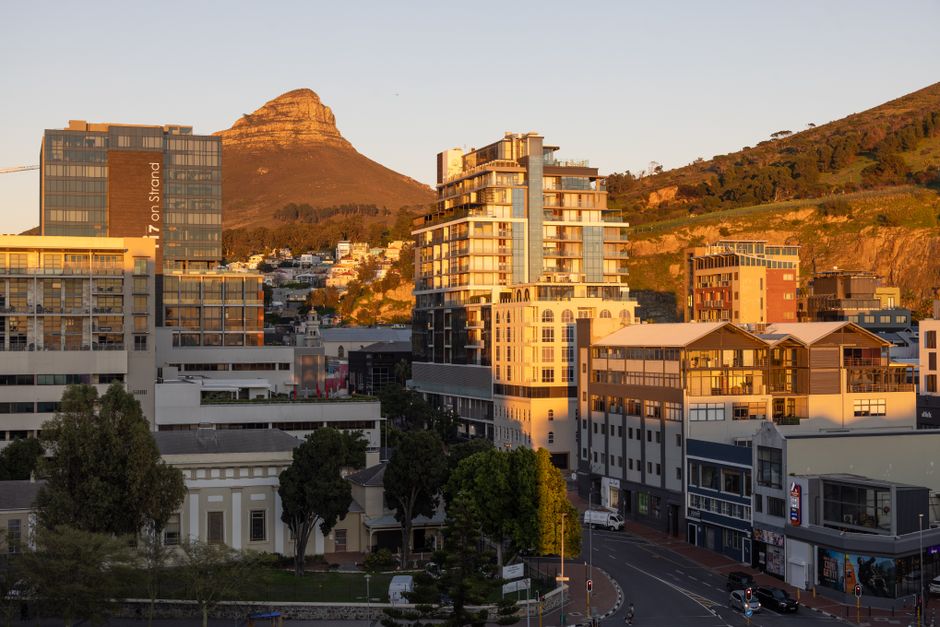
The Bo-Kaap itself has a small number of guesthouses in restored cottages, which suits anyone who wants the lanes before the crowds, but availability is limited and parking is tight. For a wider choice, the City Bowl — around Bree, Loop and Long streets — puts you a ten- to twenty-minute walk from the museum, with restaurants and transport on the doorstep. De Waterkant, on the Green Point side of Buitengracht, is flatter and quieter, a twenty-minute walk or a short rideshare away.
If you want the walk as a morning ritual, book the City Bowl and take the uphill lanes on foot; if you are travelling with a car or limited mobility, Green Point and the Waterfront are easier bases, with a five- to ten-minute drive to Wale Street. Check parking before booking a Bo-Kaap guesthouse — street parking is scarce and steep. Hotels in the City Bowl and De Waterkant fill quickly in December and early January, so book well ahead for the festive season.
Related articles
Before you book
The questions people ask about Cape Town, answered with this month’s numbers.
It is about a ten-minute walk: head up towards the Groote Kerk and Wale Street, where the museum sits in an eighteenth-century house. Taxis and rideshares can drop you on Wale or Buitengracht, which avoids the steep lanes if you are arriving with luggage.
The lower streets around Wale, Chiappini and Rose are manageable for most people, but the upper lanes are steep with uneven cobbles and are not wheelchair-friendly. Plan a shorter loop on the lower slopes, take it slowly, and carry water for children and older walkers.
Shoes with grip are the main thing, because the cobbles are steep and uneven. Bring a light layer for the southeaster and sun protection, since much of the route is unsheltered. Comfortable, respectful clothing is appropriate as this is a residential neighbourhood with several mosques.
Small bakeries sell them in the morning, and they are generally gone by around 11am. Go early if that is your reason for the walk, and combine it with the quieter streets before the tour buses arrive between 8am and 10am.
The Auwal Mosque on Dorp Street, the oldest in South Africa, and the Nurul Islam Mosque on Buitengracht are working places of worship. Visitors should check locally about appropriate times, dress modestly, and avoid entering during prayers unless invited.
Allow roughly two hours for a gentle loop of about two kilometres with plenty of stops for photographs and coffee. If you add the museum and a sit-down Cape Malay lunch on Bree Street, plan for half a day rather than a quick morning.
Street parking in the Bo-Kaap is scarce and the lanes are steep, so check with any guesthouse before booking about a dedicated space. Bases in Green Point and the Waterfront are easier for drivers, with a five- to ten-minute drive to Wale Street.
Local operators run two-hour walks starting near the museum, which suit anyone who wants the history explained. Otherwise a printed map from the museum shop covers the main streets, and the facades and mosques are easy to find on your own.