Robben Island Museum
The island prison where Nelson Mandela spent eighteen of his twenty-seven years, now a UNESCO World Heritage Site reached by ferry and guided by men who were imprisoned in the same cell blocks.
 Prison corridor and cell block at Robben Island Museum with Table Mountain across the bay
What to expect at Robben Island Museum
Robben Island lies about seven kilometres off Bloubergstrand in Table Bay, a low, flat, wind-scoured slab of shale and limestone that has been used as a place of banishment almost continuously since the Dutch arrived in the seventeenth century. It has been a sheep station, a leper colony, a mental asylum, a Second World War coastal battery and, from 1961 to 1991, a maximum security prison for political prisoners under apartheid. Nelson Mandela was held here from 1964 to 1982, Robert Sobukwe was kept in isolation in a separate house, and Walter Sisulu, Ahmed Kathrada, Govan Mbeki and Jacob Zuma were all inmates. The prison closed in 1996, the museum opened the same year, and UNESCO inscribed the island as a World Heritage Site in 1999 as a symbol of the triumph of the human spirit over oppression.
The visit has a fixed shape. You check in at the Nelson Mandela Gateway beside the Clock Tower at the V&A Waterfront, board a ferry for a thirty to forty-five minute crossing, and land at Murray's Bay Harbour. There a bus takes you on a roughly forty-five minute circuit of the island: the lime quarry where prisoners did hard labour and where the glare permanently damaged Mandela's eyes, the Robert Sobukwe house, the kramat of Sayed Abdurahman Motura, the leper graveyard, the village and the wartime gun emplacements. The bus then delivers you to the maximum security prison, where a former political prisoner leads you through the communal cells, the courtyard where Mandela cultivated a small garden and buried the manuscript of his autobiography, and finally to his single cell in B Section.
Plan around the booking, which is the single most important thing. Tickets are sold online through the museum and sell out days ahead in high season. Choose an early sailing where possible, both for the light and because cancellations bite hardest later in the day. Arrive at the Gateway thirty minutes before departure. Take a warm layer even in January, because Table Bay is windy and the ferry deck is exposed, and take seasickness tablets if you are prone, since the crossing can be rough. There is no substantial food on the island, so eat beforehand. Do not plan anything tight for the two hours after your scheduled return, because ferries run late.
Getting to the departure point is straightforward. The Nelson Mandela Gateway sits at the Clock Tower precinct of the V&A Waterfront, next to the swing bridge. From the City Bowl it is a fifteen-minute walk from the Cape Town International Convention Centre, about ten minutes by car, or a MyCiTi bus from the Civic Centre station to the Waterfront for roughly R12-R20 on a myconnect card. E-hailing from Long Street is typically R60-R100. Parking in the Waterfront garages costs roughly R10-R20 an hour with the first period often cheaper, and the Clock Tower garage is nearest. Cruise passengers dock within walking distance. Allow extra time on weekends, when Waterfront traffic at the entrance boom gates backs up badly.
The ticket is a single bundled price covering the return ferry, the island bus and the guided prison tour. It sits at around R600 for an international adult and roughly R310 for a child under eighteen, with a lower South African citizen and resident rate that must be selected at booking and evidenced with an ID document on the day; pensioner concessions apply on some fares. Nothing else is compulsory once you are on the island. Extras are the small shop at the Gateway and at Murray's Bay Harbour, where a book or a souvenir runs R80-R400, and refreshments at the harbour kiosk at R25-R60. If the ferry is cancelled for weather, the museum reschedules or refunds, and this happens regularly.
Timing is dictated by the sailings: 09:00, 11:00 and 13:00 year round, with a 15:00 added in peak season. The 09:00 is the best, with calmer water, cooler cell blocks and the fewest delays. Summer, December to March, sells out and books up a week or more ahead; the wind is also strongest then, and cancellations are most common in the southeaster season. Winter, June to August, has quieter boats and a real chance of a rough crossing or a cancelled sailing on a cold front, but also the most atmospheric light. Avoid planning the tour on your departure day. The museum operates every day except in bad weather, when sailings are pulled at short notice.
It suits anyone with any interest in South African history, and it is genuinely moving for most visitors because the guide in the cell block is speaking from personal experience. Older children and teenagers get a great deal from it; under-eights generally do not, and the three and a half hours with limited movement is long for them. Wheelchair users are accommodated on the ferry and the island bus with advance notice, and much of the prison is on the flat, but the boarding process is dependent on sea conditions. Anyone prone to seasickness should think carefully. If you have only two hours free, this is not the attraction to attempt.
Nearby, the V&A Waterfront surrounds the Gateway: the Zeitz MOCAA contemporary art museum is a ten-minute walk along the Silo District, the Two Oceans Aquarium is five minutes, and the harbour restaurants and craft market are immediately outside the terminal. Honest caveats: the tour is regimented and rushed, and you cannot linger in Mandela's cell because the group behind you is coming through. The bus commentary quality varies enormously between guides. The ferries are frequently cancelled or delayed and communication about it can be poor. And many visitors expect a contemplative solo experience of a place of conscience, then find a bus tour with a hundred other people. Book early, sail early, and manage the expectation.
Questions about Robben Island Museum
One bundled ticket covers the return ferry, the island bus circuit and the guided prison tour: around R600 for an international adult and roughly R310 for a child under eighteen, with a reduced South African citizen and resident rate selected at booking and verified with an ID document at the Gateway. There is nothing compulsory to pay on the island itself. Souvenirs at the shop run R80-R400 and harbour kiosk refreshments R25-R60.
There are none. Every visitor pays the bundled ferry-and-tour fare, because the crossing itself is the bulk of the cost and there is no other lawful way onto the island. Occasional commemorative events, such as around Heritage Day or Mandela Day, may see special programmes, but these are still ticketed. If the budget is the obstacle, the free exhibition at the Nelson Mandela Gateway building at the Clock Tower can be visited without sailing.
About three and a half hours door to door: a thirty to forty-five minute ferry crossing each way, a forty-five minute bus circuit of the island and roughly an hour inside the maximum security prison with a former political prisoner as guide. Add thirty minutes for check-in before departure and allow a buffer of an hour or two afterwards, because return sailings frequently run late in windy conditions. Do not book it on a departure day.
The museum aims to sail every day of the year, but weather closes it regularly: strong southeasterly and northwesterly winds and heavy swell in Table Bay cause cancellations at short notice, most often in the summer wind season and during winter cold fronts. When a sailing is cancelled the museum rebooks or refunds. The Gateway ticket office runs daily from about 07:30 to 15:00, and departures are at 09:00, 11:00 and 13:00 with 15:00 added in peak season.
Yes, and well in advance. Tickets are sold through the museum website and regularly sell out several days ahead between December and March and around public holidays. Book the 09:00 sailing where possible, since it is the least likely to be cancelled and gives you a buffer to rebook the same day if the weather turns. Bring the booking reference and, for the resident rate, an ID document to the Clock Tower check-in desk.
From the Nelson Mandela Gateway at the Clock Tower precinct of the V&A Waterfront, beside the swing bridge. MyCiTi buses run from the Civic Centre station to the Waterfront for roughly R12-R20 on a myconnect card, e-hailing from the City Bowl costs about R60-R100, and it is a fifteen-minute walk from the Convention Centre. Waterfront parking garages charge roughly R10-R20 an hour, and the Clock Tower garage is the closest to the terminal.
Hotels near Robben Island Museum
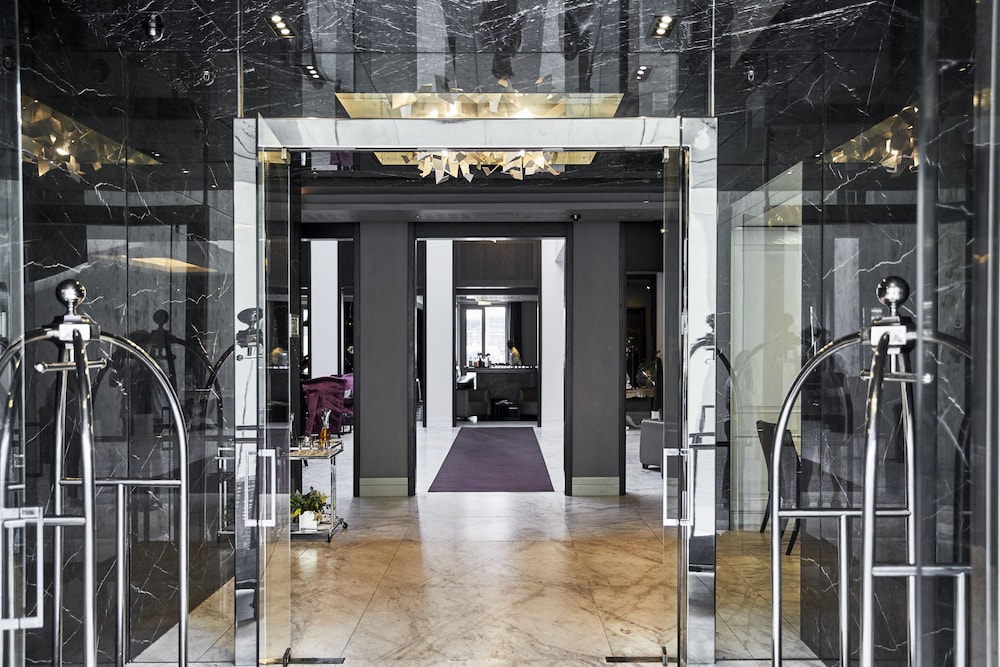
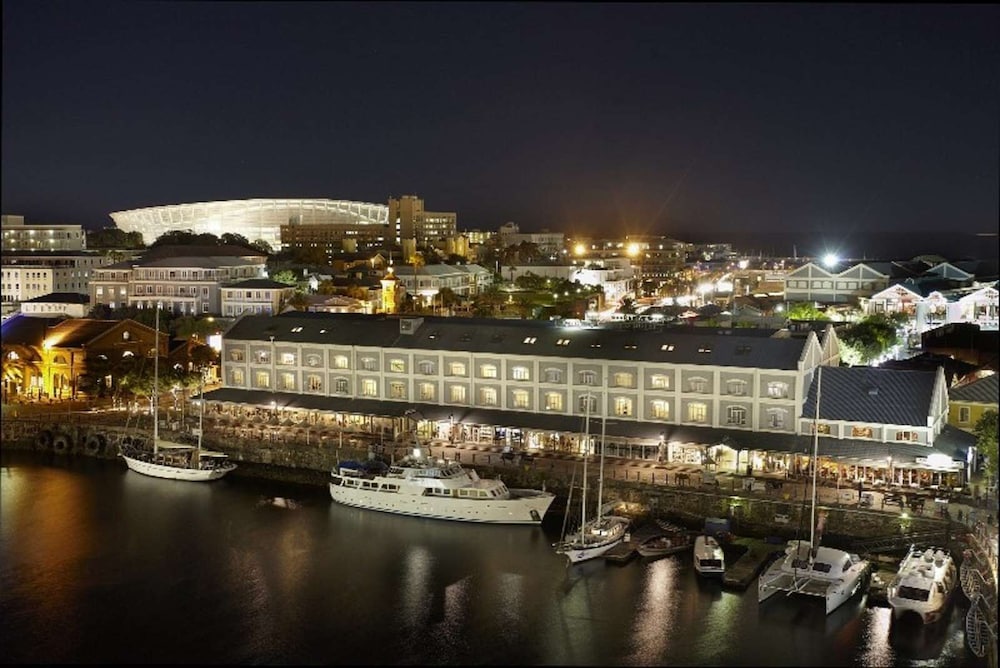
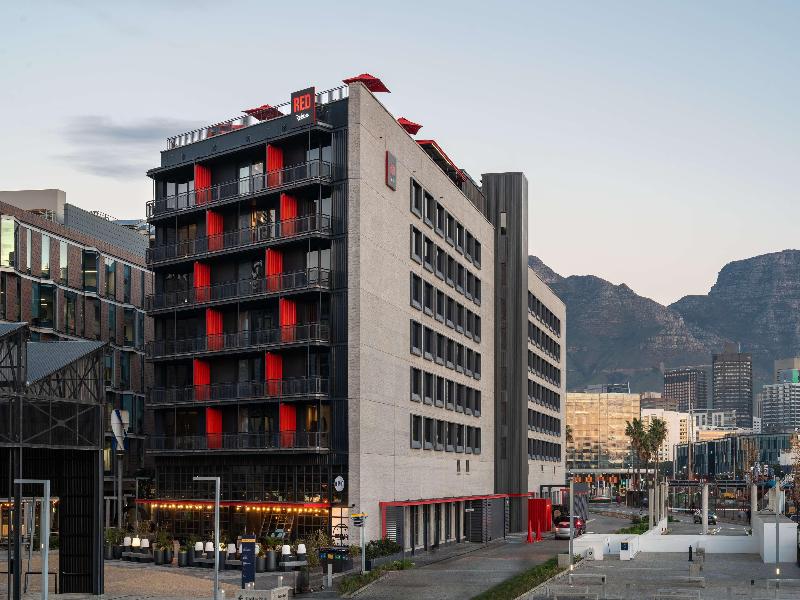
Every hotel we cover in V&A Waterfront
- The Manor House at the Queen Victoria Hotel by NEWMARK 5★ · 4.8/5 · 0.1 km away
- RoomQuay Portswood Ridge 4★ · 4.4/5 · 0.1 km away
- Victoria & Alfred Hotel by NEWMARK 4★ · 4.6/5 · 0.2 km away
- Protea Hotel by Marriott Cape Town Waterfront Breakwater Lodge 3★ · 4.2/5 · 0.3 km away
- Magnificent Apartment 506 the Granger 0.4 km away
- 205 Pembroke 4★ · 0.4 km away
- Cape Eazi Stayz Adenium 2★ · 0.4 km away
- Outstanding V&A Marina Waterfront apartment 4★ · 0.4 km away
- Marina 107 4★ · 0.5 km away
- InterContinental Table Bay Cape Town by IHG 5★ · 4.5/5 · 0.5 km away
- Parama 003 Secure Luxurious Waterfront Apartment 4★ · 0.5 km away
- 202 Kylemore A Waterfront Marina 1★ · 0.5 km away
- Luxurious Apartment in central Waterfront 4★ · 0.5 km away
- Va Waterfront Marina Yacht Basin 3 Bedrooms 4★ · 0.5 km away
- Lawhill Luxury Apartments 5★ · 0.5 km away
- Parama 102 5★ · 0.5 km away
- Waterfront Stays 4★ · 0.5 km away
- Atlantic Marina 4★ · 0.5 km away
- Luxury Villa in V&A Waterfront 4★ · 0.5 km away
- Mouille Grange 203 Apartment 3★ · 0.6 km away
- The Marina V&A Waterfront by Smart City Stays 3★ · 0.6 km away
- 204 Juliette 4★ · 0.6 km away
- 308 Juliette on the Waterfront Marina 3★ · 0.6 km away
- Three Bedroom Apartment fully furnished and equipped 2★ · 0.6 km away
More things to do
All things to do


From the journal
All posts Hotel round-ups
Hotels with pools in Cape Town
Hotel round-ups
Hotels with pools in Cape Town
The Atlantic sits at 12-16°C most of the year, which is why a heated hotel pool is worth paying R400 a night extra for — here is where to find the good ones, by area and price band.
 Hotel round-ups
Best beachfront hotels in Cape Town
Hotel round-ups
Best beachfront hotels in Cape Town
Cape Town has roughly 70km of coastline inside the metro and startlingly few true beachfront hotels — here is where the sand-to-lobby options actually are, in six areas, with the honest catch on each.
 Hotel round-ups
Hotels with Table Mountain views in Cape Town
Hotel round-ups
Hotels with Table Mountain views in Cape Town
Table Mountain is 1,086m high and looks completely different from six different suburbs — here is which side of the city gives you the flat-topped postcard from your bed, and which gives you a wall of grey rock.