Home/Stays/KwaZulu-Natal/Okhahlamba Local Municipality
Stays in Okhahlamba Local Municipality
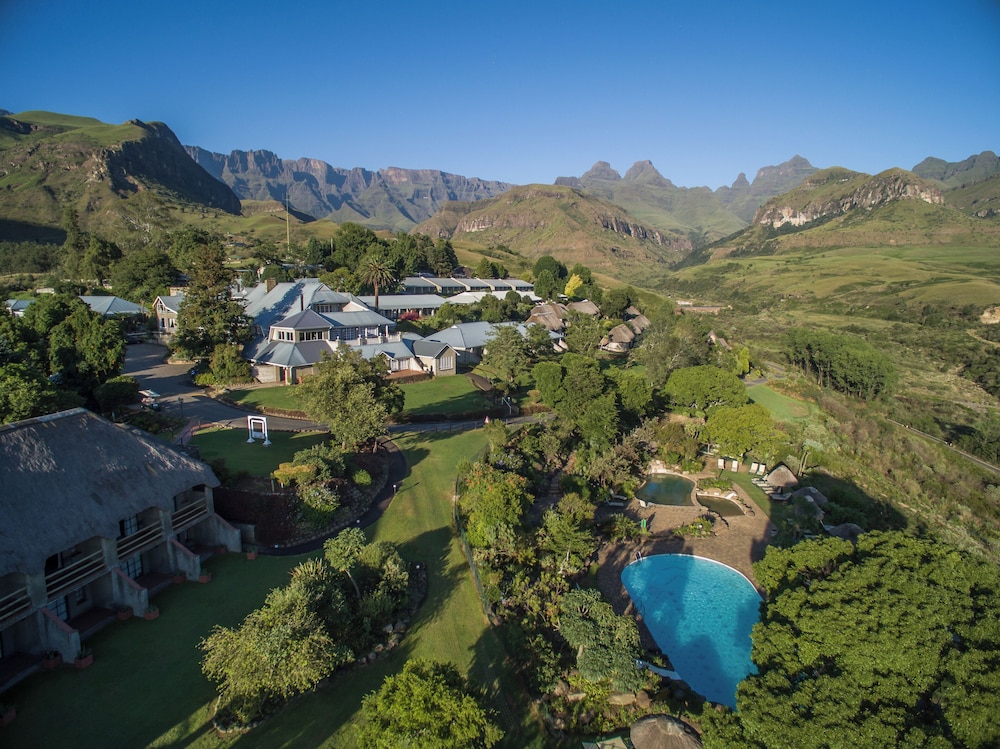
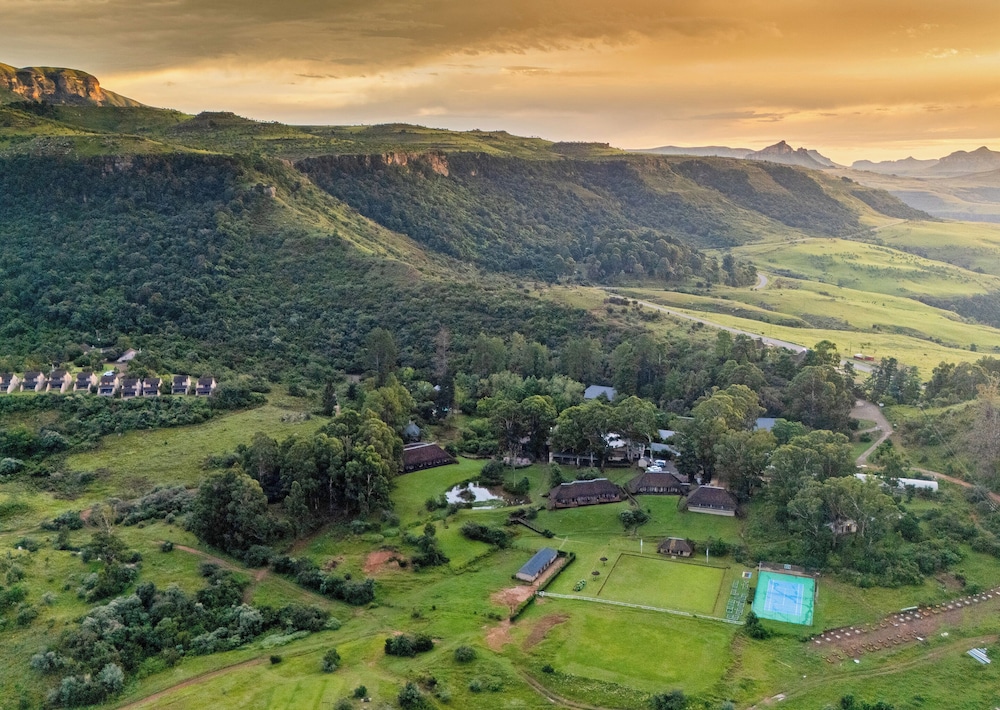
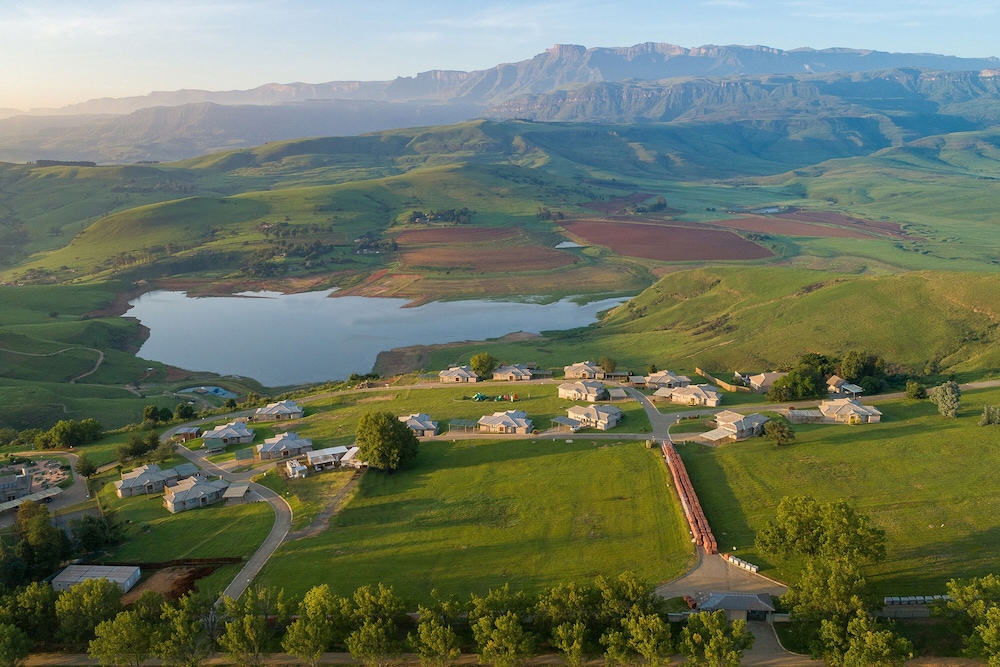
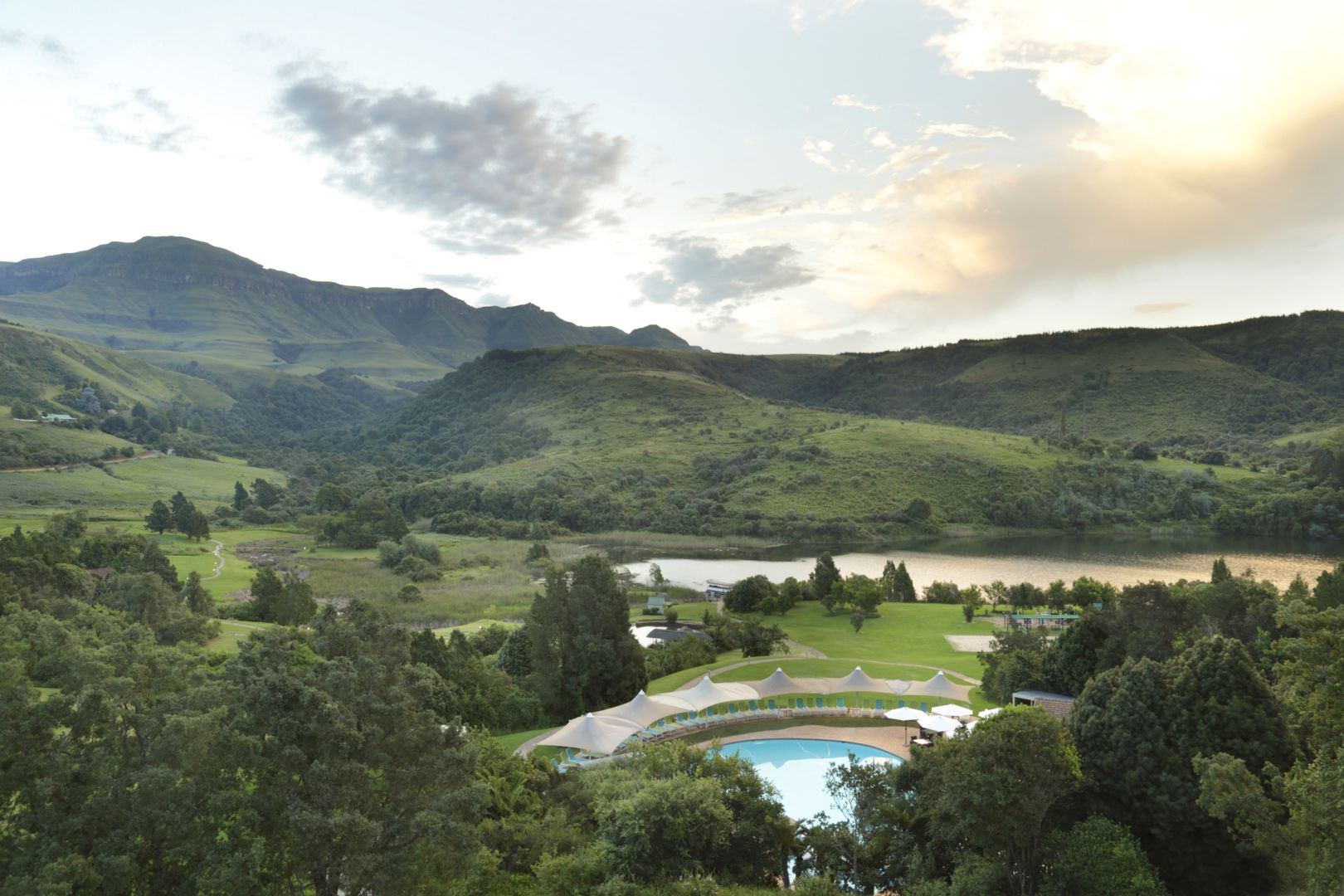
Okhahlamba Local Municipality is located in the uThukela District of KwaZulu-Natal, South Africa. It is named after the uKhahlamba mountains, known in English as the Drakensberg. The municipality includes the town of Bergville and the surrounding rural areas, and it forms the gateway to the northern…
Every stay in Okhahlamba Local Municipality
Recent rates first, then the best-reviewed rooms.
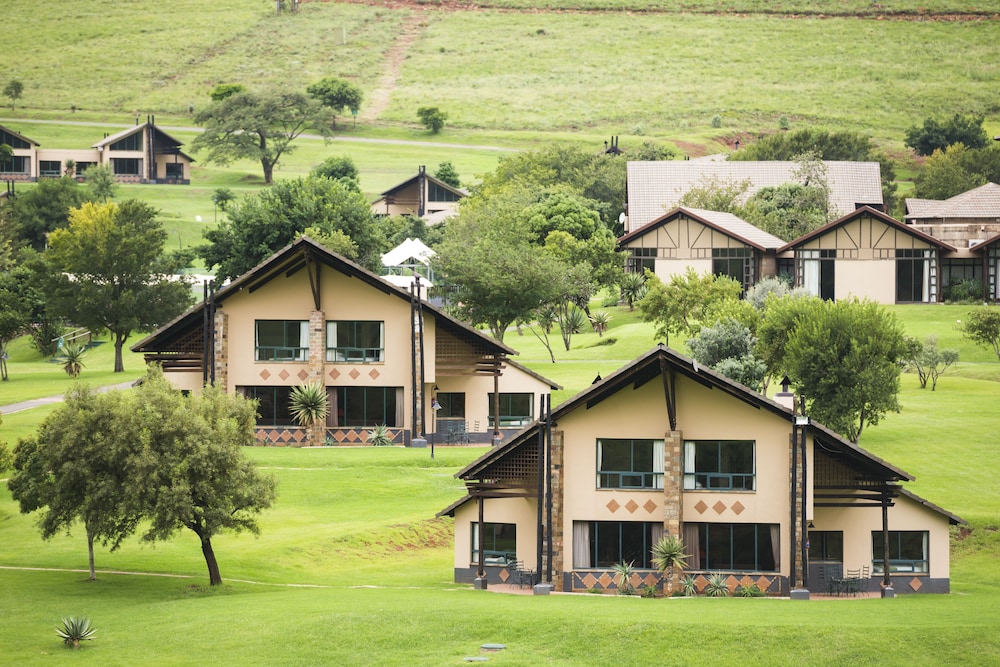
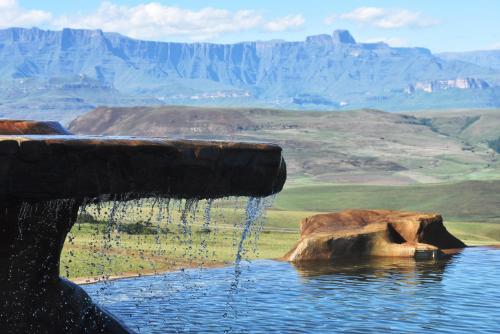
Search live rates in Okhahlamba Local Municipality
Pick your dates — every Okhahlamba Local Municipality room with a live price, in one list.
Free cancellation on most rooms · 1 t CO₂ removed per booking, at no extra cost.
About Okhahlamba Local Municipality
The Drakensberg mountains offer a range of outdoor activities, including hiking trails that lead to waterfalls, caves, and panoramic viewpoints. The region is also home to several nature reserves and game reserves, where visitors can see wildlife such as antelope, baboons, and numerous bird species. Cultural experiences are available, with opportunities to learn about the Zulu and San heritage of the area. The climate is temperate, with warm summers and cool winters, and snow occasionally falls on the higher peaks. Okhahlamba is a destination for nature lovers, hikers, and those seeking a peaceful retreat in a mountainous landscape.
Where to stay in Okhahlamba Local Municipality
Bergville. Bergville is the main town in the municipality and serves as a convenient base for exploring the northern Drakensberg, with a range of shops and services.
Champagne Valley. This valley lies between Bergville and the central Drakensberg and is known for its scenic beauty and proximity to hiking trails and resorts.
Cathedral Peak Area. The area around Cathedral Peak offers some of the most spectacular mountain scenery and is popular for hiking and climbing.
Northern Drakensberg. The northern section of the Drakensberg, including the Amphitheatre and Royal Natal National Park, provides dramatic landscapes and outdoor adventures.
Getting there and around
Okhahlamba is accessible by road from major cities in South Africa. From Johannesburg, the drive takes approximately four to five hours via the N3 highway, and from Durban, it is about three to four hours. The nearest major airport is King Shaka International Airport in Durban, from where you can rent a car or take a shuttle. Public transport options are limited, so having your own vehicle is recommended for exploring the area. Within the municipality, roads connect the main towns and tourist areas, but some mountain passes may require a 4x4 vehicle, especially in wet weather.
When to go
The best time to visit Okhahlamba is during the dry winter months from May to August, when the weather is clear and mild, ideal for hiking and outdoor activities. Summer (November to February) brings afternoon thunderstorms and warmer temperatures, but the landscape is lush and green. Spring (September to October) and autumn (March to April) offer pleasant conditions with fewer crowds. Snow can occur in winter on the high peaks, creating beautiful scenery but requiring warm clothing.
Questions, answered
What is Okhahlamba known for?
Okhahlamba is known for its section of the Drakensberg mountains, a UNESCO World Heritage Site, offering hiking, rock art, and natural scenery.
How do I get to Okhahlamba?
The most common way is by car from Johannesburg or Durban via the N3 highway. The nearest airport is in Durban.
What activities are available in Okhahlamba?
Popular activities include hiking, rock climbing, birdwatching, and visiting San rock art sites. There are also golf courses and resorts in the area.
Is Okhahlamba a good destination for families?
Yes, many resorts and lodges cater to families with activities for children and easy walks suitable for all ages.
What should I pack for a trip to Okhahlamba?
Pack layered clothing, comfortable hiking boots, sun protection, and rain gear. In winter, warm clothing is essential, especially for higher altitudes.