When to visit the Cape Winelands: harvest, winter fires and the quiet months
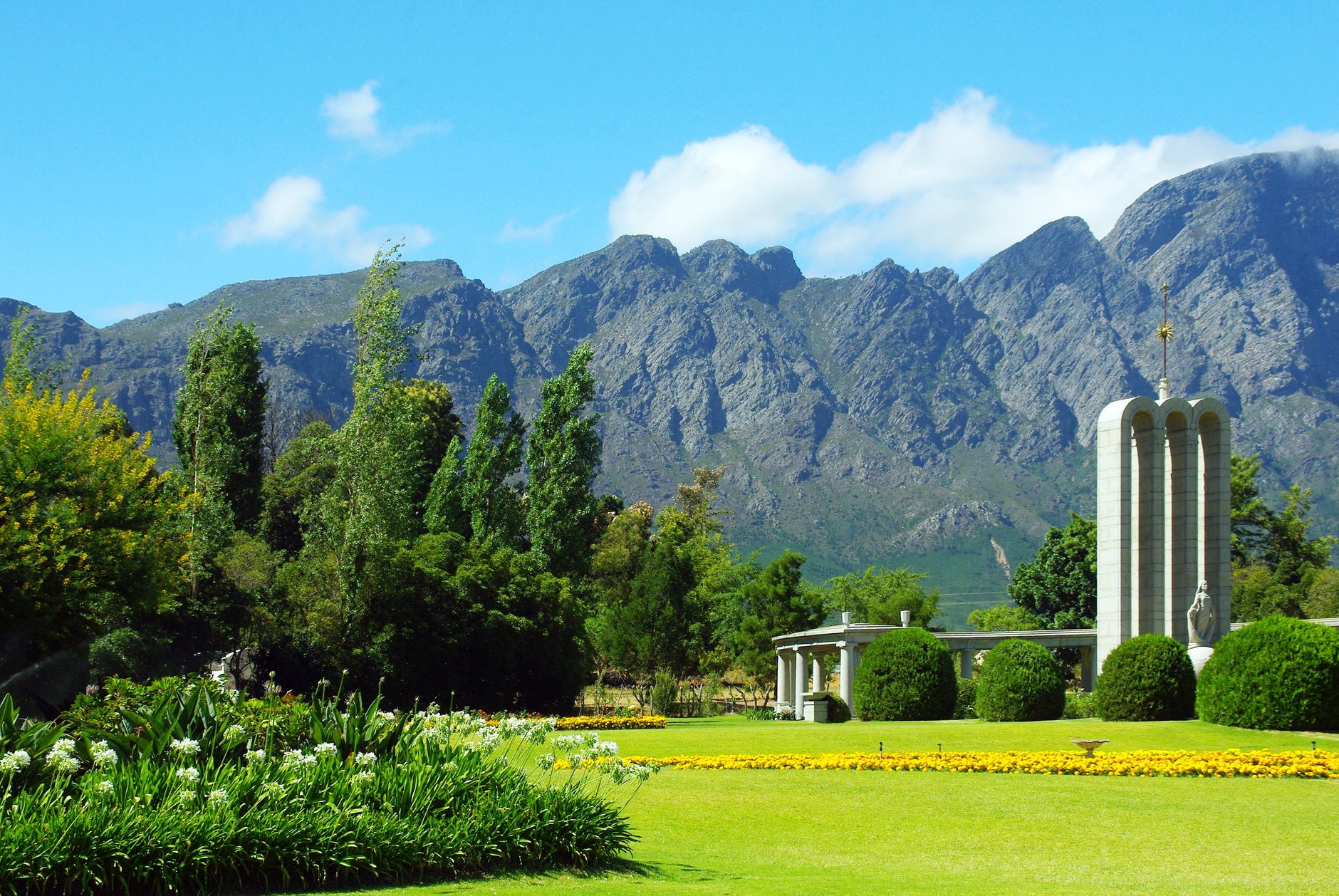 Vines turning red and gold below the mountains outside Franschhoek in late autumn
Stellenbosch is 50 km from the city and prices swing by half across the year — harvest runs February to April, and a Franschhoek guesthouse drops from R4,500 in January to around R1,500 in July.
February to early April: harvest, and what you actually see
Harvest is the Winelands at work rather than at leisure. From late January for the sparkling-wine base grapes, through February and March for most whites and reds, and into early April for the late-ripening blocks, the cellars run day and night. You see tractors with bins on the R44 and R310, crush pads slick with juice, sorting tables in operation and cellar doors literally open. Many estates around Stellenbosch, Paarl and Franschhoek take visitors into a working cellar during this window, which is the one time of year a tasting comes with the smell of fermentation attached.
The trade-offs are heat and staff attention. February and early March regularly hit 32-36C inland, hotter than the coast by five degrees or more, and winemakers are busy, so the leisurely cellar chat is thinner than in winter. Book tastings and any lunch ahead, start at 10am, and plan a swim or a shaded lunch for the 2-4pm heat. Rates are still summer level: expect roughly R2,200-4,500 a night for a good Stellenbosch or Franschhoek guesthouse double, more in the boutique hotels on Franschhoek's main road.
Late April and May: the underrated month
If someone asked me to pick one month for the Winelands, it would be May. The vines turn through yellow, copper and deep red across the Simonsberg and Helderberg slopes, morning mist sits in the valleys, and the light is the best of the year for photographs. Days run 20-23C with cool evenings, the first rains have greened the veld, and the roads are empty on weekdays. The new vintage is in tank, so winemakers have time to talk and often pour barrel samples that never appear on a tasting sheet.
Prices have dropped off summer without hitting the winter floor: figure R1,500-2,800 for a good guesthouse double, and restaurant tables available a few days out rather than weeks. Everything is open, which is the key difference from deep winter. This is the month to do the ambitious things — a full day on the R44 through Klapmuts and Stellenbosch, a Franschhoek Pass drive over towards Villiersdorp and Theewaterskloof, an afternoon in Paarl's Afrikaans-heritage sites — without the traffic or the heat. Book it and thank yourself.
June to August: fires, soup and the lowest rates of the year
Winter is wet, green and cheap. Rain falls in fronts of 24-48 hours with clear cold days between, snow appears on the high peaks behind Ceres and the Hex River, and the vineyards are bare while pruning teams work the rows. The estates lean into it: fireplaces lit in tasting rooms, winter soup or potjie pairings, chocolate and wine flights, cellar tours with time to spare. Rates fall to roughly R1,100-2,000 for a guesthouse double in Stellenbosch or Paarl, with Franschhoek's smarter places around R2,000-3,500 rather than double that.
What closes: some smaller tasting rooms cut to five days a week or shorten hours, a few restaurants take a two or three week break, and outdoor picnics stop entirely until spring. Always confirm opening days before driving out, especially for Monday and Tuesday visits. The set piece of the winter calendar is the Franschhoek Bastille Festival in mid-July, a two-day food and wine weekend that fills the village and its accommodation months ahead — check dates with the organisers, and book the surrounding nights or avoid them deliberately.
September and October: green flush and full gardens
Spring comes fast. Bud break spreads across the vineyards through September, the cover crops flower yellow between the rows, and the gardens at the estates that maintain them are at their peak. Days move from 18C to 25C over six weeks, with wind and the odd late front. It is a good cycling and walking season: the wine-farm trails around Stellenbosch, the Jonkershoek valley, and the easier vineyard walks around Franschhoek are all comfortable before the summer heat sets in.
October brings events. Stellenbosch's Woordfees arts festival has run in October in recent years and fills the town's beds for a stretch; confirm dates with the festival. Rates begin climbing from the winter floor towards R1,800-3,200 for a good double, and weekends firm up faster than weekdays. If you want spring without the festival crush, take the middle two weeks of September, which are quiet, green, and still priced closer to winter than summer. Restaurant picnics restart around this time — book them, because the good ones sell out on weekends immediately.
November and early December: the best all-rounder
November is the month I would recommend to a first-time visitor combining Cape Town with the Winelands. Days reach 26-29C but the evenings stay long and mild, light lasts until nearly 20:00, the vineyards are in full leaf, and the festive crush has not started. Picnic lawns are open, outdoor lunches work, and you can still get a table at a well-known restaurant with a week's notice. Guesthouse doubles sit around R2,000-3,500, below the January peak but above winter.
The turn comes around 10-15 December, when the domestic holiday begins and the Winelands fill with day-trippers from the coast and from Gauteng. From then until early January, tasting rooms run queues from 11am, the R44 and the Helshoogte Pass carry heavy traffic on weekends, and picnic slots and restaurant tables need booking weeks out. That period is fun in a busy, festive way, but it is the worst value of the year: the same tasting costs the same money and comes with forty other people at the counter.
Getting there and getting home, in every season
Stellenbosch is about 50 km from central Cape Town, roughly 45 minutes on the N2 and R310 outside peak traffic; Paarl is around 60 km on the N1; Franschhoek is 75 km and just over an hour via Stellenbosch and the Helshoogte Pass. Drink-driving enforcement is real and the limits are low, so plan a designated driver or a hired one. A private driver for a day runs roughly R2,500-4,500 depending on hours and vehicle, and a one-way e-hailing trip from the city to Stellenbosch is typically R700-1,100 with limited availability for the return in the evening.
The Franschhoek Wine Tram is the car-free option: a hop-on, hop-off loop of tram and open bus between estates in the valley, generally around R400 a person, running year-round with reduced winter schedules. Book online ahead in summer, when lines sell out days in advance. Confirm current prices and timetables with the operator. My preference in any season is to stay one or two nights in the valley rather than day-tripping — it turns a rushed six-hour outing into two unhurried mornings and removes the drive home entirely.
Choosing between Stellenbosch, Franschhoek and Paarl by season
Stellenbosch is the year-round pick. It is a university town with a real weekday life, so restaurants and bars stay open through winter, the museum and gallery scene works on a rainy day, and there are hundreds of estates within twenty minutes in every direction. It also has the widest accommodation spread, from R900 backpacker doubles off Bird Street to R6,000-plus country houses on the Helderberg slopes. If you can only visit once and the weather is uncertain, base here.
Franschhoek is a single beautiful street in a closed-end valley: unbeatable in autumn and spring, expensive in summer, and quiet enough in deep winter that you should check what is open before you commit to three nights. It carries the highest rates of the three and the strongest restaurant list. Paarl is the value option and the most workaday, with big estates, the Afrikaans language monument on Paarl Rock and easy N1 access, and rates roughly 20-30 percent below Franschhoek in any given month. For a winter trip on a budget, Paarl with a car is the smartest booking.
Before you book
The questions people ask about Franschhoek, answered with this month’s numbers.
Picking generally runs from late January for sparkling-wine base grapes through February and March for most varieties, finishing in early April with late-ripening blocks. Cellars are open and working during that window, so tours are more interesting but staff are busier. Book tastings ahead and start early to avoid inland temperatures of 32-36C.
Yes, if you book carefully. Rates fall to roughly R1,100-2,000 a night, tasting rooms light fires and pair wines with soup, and cellar tours are unhurried. But some smaller estates shorten hours or close on Mondays and Tuesdays and picnics stop entirely, so confirm opening days directly with each farm before you drive out.
Self-driving is straightforward, but South African drink-driving limits are low and enforcement is active, so someone must abstain. A hired driver for a day costs roughly R2,500-4,500. In Franschhoek, the hop-on hop-off wine tram at around R400 a person removes the problem entirely — book ahead in summer and confirm the timetable with the operator.
May, for autumn colour on the vine slopes, 20-23C days, empty weekday roads, guesthouse doubles around R1,500-2,800 and winemakers with time to talk once harvest is done. November is the close second if you want long warm evenings, open picnic lawns and a beach day at the coast in the same trip.