Harvest season in the Cape Winelands: what February to April is like
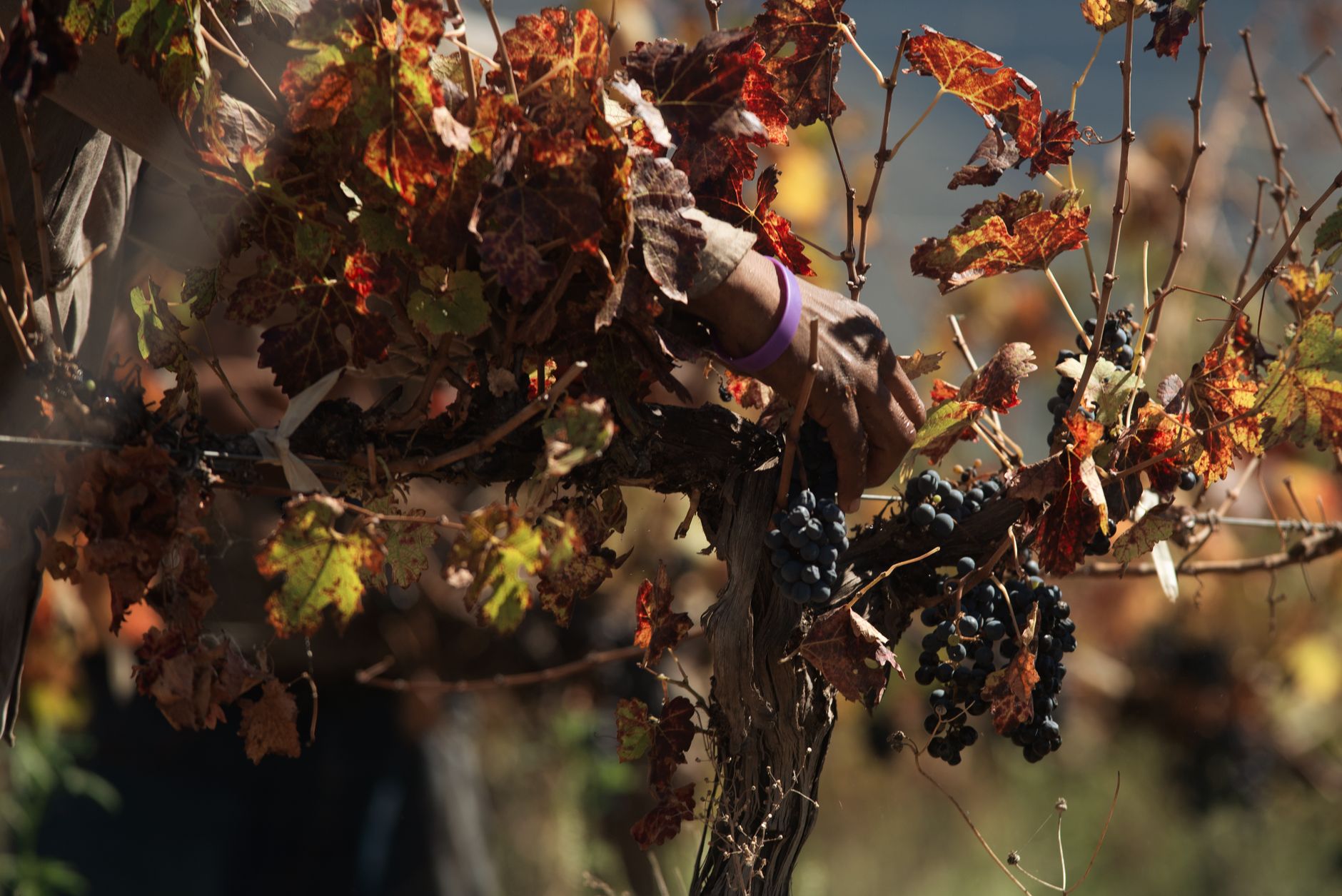 Crates of freshly picked grapes on a trailer beside vines with mountains behind
Ten weeks of picking, crushing and 32C afternoons across Stellenbosch, Franschhoek and Paarl, with cellar-door rooms from about R1,200 and heat that decides your daily schedule.
When harvest actually happens
Picking in the Cape starts earlier than most visitors assume. Grapes for Cap Classique sparkling wines and early-ripening whites come in from late January, whites like Sauvignon Blanc and Chardonnay through February, red varieties from late February into March, and the last late-ripening Cabernet Sauvignon and Cabernet Franc blocks are usually off the vine by early to mid April. Cooler high-lying sites in the Hemel-en-Aarde behind Hermanus and the Elgin valley run a few weeks behind the warm Paarl floor.
That means the peak of visible activity — trailers of fruit at the cellar door, presses running, the smell of fermenting must through open doors — falls roughly from the second week of February to the third week of March. If you want to see a working cellar rather than a polished tasting room, aim there. Timing varies each vintage with the summer's heat, so if it matters to you, email an estate a fortnight out and ask when they expect to be pressing; most will tell you plainly.
The weather, and why it dictates your day
The Winelands are hotter than Cape Town, and February is the hottest month. Expect highs around 30-32C in Stellenbosch and 32-35C on the Paarl and Wellington side, with several days a season past 38C, against roughly 26-27C in the City Bowl the same afternoon. Rain is essentially absent. Nights cool down properly, which is what the vines are there for, but a midday tasting terrace with no shade in Paarl is a mistake you make only once.
Structure the day around it: first tasting at 10:00 or 10:30, second by 11:45, long lunch from 13:00 in a cellar or under oaks, and either a swim or an air-conditioned nap before an evening on a Stellenbosch or Franschhoek main street. Do not plan vineyard walks or cycling after 11:00 in February. March is noticeably kinder at around 28-30C, and April drops to 24-26C with the first autumn colour in the vines, which is why many regulars prefer the tail of harvest to its peak.
What you can actually do in a working cellar
Harvest-specific experiences exist but they must be booked. The common formats are an early-morning pick-and-breakfast, where guests cut fruit for an hour before eating; a cellar walk during crush with the winemaker; barrel tastings of wine still in progress; blending sessions where you make and take a bottle; and grape stomping, which is theatre rather than winemaking but excellent with children. Prices vary widely by estate, and these slots are limited because the team is genuinely working — book three to four weeks out for February and March weekends.
The honest catch is that harvest is the worst time to expect a winemaker's attention. Cellars run long shifts, some estates shorten tasting hours or suspend behind-the-scenes tours entirely during the busiest fortnight, and a few close the tasting room on the day a big block comes in. If you want a long, unhurried conversation over a vertical tasting, come in May or June instead. If you want to see the machinery of a vintage in motion and do not mind being background, come now.
Where to base yourself, and what it costs
Stellenbosch is the all-rounder: a proper town with university life, restaurants along Dorp and Church Streets, more estates within 20 minutes than you can cover in a week, and 45-55 minutes from the Cape Town City Bowl via the N2. Guesthouse doubles run roughly R1,600-2,800 a night in February and March, with the small hotels on the historic streets higher. It is the base to book if you have one long weekend and want variety without much driving.
Franschhoek is prettier, smaller and considerably more expensive — figure R3,000-6,500 for a good room in the village, more for the estate hotels along the R45. It suits a two- or three-night indulgence rather than a base. Paarl is the value play at roughly R1,200-2,200, with the Berg River, the big historic cellars and easy N1 access, though the town itself is quieter in the evening. Somerset West sits between the Helderberg estates and the coast at Gordon's Bay, useful if you want vineyards and sea in one trip. If I were booking one: Stellenbosch, mid-March, three nights.
Getting around without driving
Drink-driving enforcement in the Western Cape is serious and the rural roads between estates are dark and fast at night. The workable options are a hired driver for the day, typically in the region of R2,500-4,500 for a car and driver depending on hours and distance, split across a group; a scheduled wine tour from Cape Town at a per-person price; or, in Franschhoek, the hop-on hop-off tram-and-bus loop that links estates along the valley on fixed lines. Confirm current fares and timetables with the operator, since routes and pricing change between seasons.
E-hailing works reliably in Stellenbosch town and reasonably in Paarl, but coverage thins out on the farm roads after dark and return trips are not guaranteed — arrange a pick-up time with a driver rather than assuming an app will save you. Cycling between estates is genuinely pleasant on the Vlottenburg and Devon Valley back roads, but not in February heat and not after tasting. The simplest solution for two people is a designated driver alternating days, with lunch at the estate you most want to drink at.
Heat, smoke and the things that go wrong
Late summer is fire season in the Western Cape. Mountain fires in the Boland and on the peninsula are a normal feature of February and March, driven by heat and wind, and they occasionally close passes, hiking trails and, rarely, sections of road. If you see smoke, do not drive towards it, check official traffic and park notices before setting out on a mountain route, and accept that a booked hike may be off. Nature reserves also close trails on extreme fire-danger days without much notice.
The other seasonal quirks: Easter moves between late March and mid April and takes a chunk of the Winelands with it, filling Franschhoek and Stellenbosch beds and pushing rates up by 30-50% for the long weekend — check the year's public holiday dates before booking. Restaurant tables at the well-known estate kitchens in Franschhoek and Constantia need two to three weeks in season. And a very hot vintage compresses picking, so the whole harvest can finish a fortnight earlier than the calendar suggests.
The best two weeks, and the alternative if you miss them
If you can pick your fortnight, take the first half of March. Cellars are at full tilt on reds, the worst February heat has broken, Easter has not yet inflated rates, and the vine leaves are still green with fruit hanging on the late blocks. Rooms sit at their normal summer level rather than a holiday spike, and midweek tastings need no booking at all beyond the estates with kitchens. Three nights in Stellenbosch with one day pushed out to the Helderberg or Elgin covers a lot of ground.
Miss it and April is the graceful consolation: quieter cellars, autumn colour through the Franschhoek valley and the Simonsberg slopes, comfortable 24-26C days, and rates edging down. The genuine off-season is June and July, when the vines are bare, fires are lit in tasting rooms, soup and slow-cooked menus appear, rooms fall to roughly R900-1,800 in Stellenbosch and Paarl, and winemakers finally have time to talk. Different trip, and for some visitors the better one — but you will not see a single grape picked.
Before you book
The questions people ask about Stellenbosch, answered with this month’s numbers.
Some estates run early-morning harvest experiences where guests cut fruit for an hour before breakfast, usually in February and March and usually limited to small groups booked three to four weeks ahead. They are hospitality events rather than real labour, and they sell out on weekends. Ask the estate directly; not every cellar offers one, and availability depends on when their blocks ripen.
Not if you plan around it. Tastings from 10:00, a long shaded lunch, and nothing outdoors between 12:00 and 16:00. Highs of 30-35C in Stellenbosch and Paarl are normal, and vineyard walks or cycling in that window are miserable. If heat bothers you, book mid-March to mid-April instead, when it drops to 24-28C.
Stellenbosch is roughly 45-55 minutes from the City Bowl on the N2, Paarl about 50 minutes on the N1, Franschhoek around 1 hour 15. All three work as day trips with a driver or tour. Staying over is better in harvest, because the evenings in Stellenbosch and Franschhoek are half the point and you avoid the return drive.
For standard tasting rooms on a weekday, usually not. For weekends, cellar tours, blending sessions and anything with food, yes — two to four weeks. Some estates shorten hours or pause tours during their busiest crush days, so confirm on the day rather than relying on a website. Estate restaurants are the hardest bookings of all in February and March.