When to visit Cape Town: month-by-month
 Spring wildflowers on a hillside near Cape Town with the sea behind
Twelve months, four distinct seasons and a 30-70% swing in room rates — here is what each month actually delivers, and the two I would avoid.
December and January: peak everything
This is high summer: daytime highs of 26-29°C, almost no rain, sunset around 20:00, and the city at full capacity. South African schools break in early December and the whole country comes to the Cape, so beachfront rates rise 40-70%, restaurants need booking days ahead, and Clifton parking is a lost cause after 10:00. The Minstrel Carnival, the Tweede Nuwe Jaar street parade with brass bands and satin suits, fills the CBD on 2 January and is one of the great sights of the year.
The catch nobody mentions is wind. The south-easter blows hardest in these two months, regularly gusting through the afternoon, laying the tablecloth cloud over the summit and closing the cableway. Beach days need a morning start or a False Bay alternative. If you must come now, book accommodation eight to twelve weeks ahead, book Robben Island and any big-ticket restaurant before you fly, and plan mountain days for whenever the wind drops rather than for a fixed date.
February and March: the locals' choice
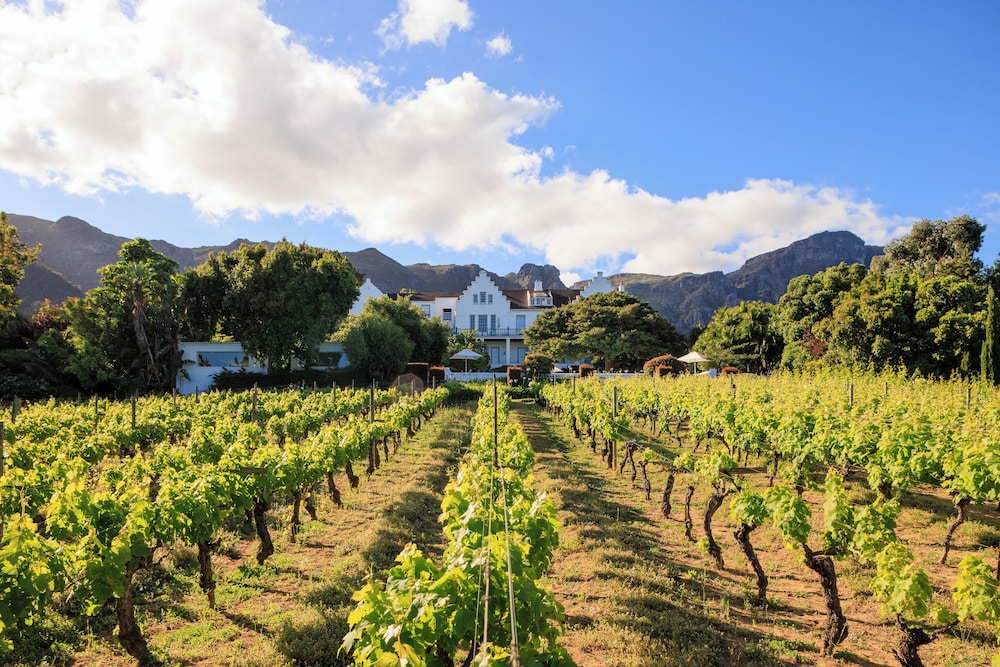
February is my pick for the best all-round month. The school crowds have gone home, the sea reaches its warmest — about 20-21°C in False Bay, 15-16°C on the Atlantic — and the wind eases through the month. Days stay at 26-28°C with clear evenings. Rates fall back from the January spike, and you can get a table on Bree Street on a Friday. The wine harvest starts in the Winelands, so Stellenbosch and Franschhoek estates are working properly rather than performing.
March keeps the warmth into the low twenties with markedly calmer air and the first golden light of autumn — the best month for photography. The Cape Town Cycle Tour, a mass participation ride of tens of thousands around the peninsula, takes over a Sunday in March: brilliant to watch, but it closes Chapman's Peak, the Atlantic seaboard roads and much of the south for the day, so check the date if you are driving. Two Oceans Marathon lands around Easter and does the same to the southern suburbs.
April and May: the quiet sweet spot
April is the most underrated month here. Temperatures sit at 22-25°C, the wind has gone, the light is soft, and the first winter rains have not properly arrived. Hiking is at its best — Platteklip, Kasteelspoort and Skeleton Gorge are all comfortable at midday, which they are not in January. Room rates drop 25-40% from peak and you can book most things a day ahead. The only real caveat is that Easter falls in this window some years and briefly repacks the coast.
May tips into autumn: highs of 20-22°C, the first serious cold fronts arriving from the north-west, and greening slopes. It is genuinely the cheapest good month, with mid-range rooms at R1,100-1,800 that cost R2,400 in December. Whale season begins on the Overberg coast, so a Hermanus day trip becomes worthwhile from late in the month. Take a rain jacket and accept that one day in four might be wet, and you get the city almost to yourself.
June, July and August: winter, rain, and the best value
Cape Town's winter is wet rather than cold — highs of 17-19°C, lows around 8-10°C, and rain arriving in bands with north-westerly fronts, then clearing to days of extraordinary visibility. Mid-range rooms fall to R900-1,700 and even the seaboard boutiques drop 35-50%. Fireplaces, long lunches at Constantia estates, museum afternoons and storm-watching from Sea Point all work. Southern right whales are along the False Bay and Hermanus coast from about June through to November, calving close inshore.
The compromises are real. The mountain is often invisible for days, the cableway closes in weather and takes an annual maintenance break in the middle of the year — check the operator's dates before planning a summit day. Beaches are for walking. Several Camps Bay restaurants shorten hours. But if you want the city for R900 a day with no queues and the greenest landscapes of the year, this is the window, and the clear day after a front is the best light Cape Town produces.
September and October: flowers, whales, and the shoulder
September is the single best month for anyone who will leave the city. The Western Cape's spring wildflower display peaks in August and September — the Postberg section of the West Coast National Park, about 90 minutes north near Langebaan, opens for those weeks only, and the Darling and Namaqualand routes carry the same show. Confirm the Postberg opening dates with SANParks each year, since they shift with the rains. In town, highs reach 19-22°C with showers still possible.
October is transitional and excellent: 21-24°C, the rain tailing off, the wind not yet at full strength, and rates still below peak at R1,300-2,200 for mid-range rooms. Whale watching from Hermanus is at its best, with animals visible from the cliff path and the boat operators running full schedules. The music-festival season begins on farms outside town. Book Kirstenbosch's summer sunset concert programme when it opens — the Sunday series generally runs from around November to April and sells out for the big names.
November: the month I would book
November is the best value-to-weather trade of the year. Days reach 24-26°C, rain is rare, the sea is warming, and the December price spike has not landed — expect R1,600-2,600 where January asks R2,400-4,000. Every attraction is open on summer hours, the sunset is past 19:30, and you can still get a beach on a Saturday. The south-easter is starting but has not settled into its January rhythm.
It is also when the outdoor calendar restarts: Kirstenbosch concerts on Sunday afternoons, night markets, the First Thursdays gallery evenings in the CBD around Church and Bree Streets, and long light for hiking after work. If you have flexibility and want one recommendation from this entire piece: come in the second half of November or in February. Everything is open, nothing is full, and the weather is as good as it gets.
What to avoid, and how to plan around the wind
The two months I would avoid if you have a choice: late December, when prices peak and every beach and restaurant is at capacity, and July, if a sightseeing trip is the point rather than a cheap, cosy one. Neither is a bad month — December is festive and July is beautiful in its own way — but both make you work hardest for the least. Also check the South African school holiday calendar for 2026 before fixing dates; term breaks move the crowd around dramatically.
Whatever month you choose, plan a flexible mountain day. The cableway and the summit hikes depend entirely on wind and cloud, and both can change within an hour. Keep two or three candidate days in your itinerary, check the operator's status page each morning, and go the moment the mountain is clear — even if that means rearranging a booked lunch. Visitors who fix Table Mountain to a single day are the ones who leave without having seen it.
Before you book
The questions people ask about Cape Town, answered with this month’s numbers.
February or the second half of November. Both give 24-28°C days, low rainfall, the warmest sea of the year and rates below the December-January peak. March is a close third for calm air and the best photographic light, with the Cycle Tour closing roads on one Sunday.
Yes, if value and atmosphere matter more than beach weather. June to August brings 17-19°C days, rain in bands, room rates 35-50% below peak, whales along the coast and superb visibility after each front. Expect several days with the mountain hidden entirely.
Southern right whales are along the coast roughly from June to November, peaking in September and October. Hermanus, about 90 minutes east, has cliff-path viewing and boat operators; False Bay and the Sea Point promenade also produce sightings from about August.