V&A Waterfront guide for tourists
 Boats in the V&A Waterfront harbour with Table Mountain behind
Cape Town's most-visited precinct gets over 20 million visits a year, charges R4,000-15,000 a night for a room, and is worth exactly two days of your trip — here is how to spend them.
What it is, and what it is not
The V&A Waterfront is a working harbour redeveloped into a shopping, hotel and museum precinct around the Victoria and Alfred basins, at the seaward end of the CBD. Tugs and fishing boats still move through it; seals haul out on the pontoons; the swing bridge across the cut opens for traffic several times an hour. Layered over that are roughly 450 retail units, a large mall, a food market, an aquarium, a contemporary art museum and a dozen hotels. It is clean, secure, well-signed and, for a first-time visitor with limited time, extremely efficient.
What it is not is Cape Town. Prices run 30-50% above the rest of the city, the shops are the same international chains you have at home, and the crowd is overwhelmingly visitors and out-of-town South Africans. Treat it as a very good day and a half — aquarium, Zeitz MOCAA, the Robben Island ferry, a harbour boat — and then go and eat on Bree Street or in Woodstock. Visitors who base an entire week here go home having seen a beautiful mall.
The genuinely unmissable: Robben Island and Zeitz MOCAA
Ferries to Robben Island leave from the Nelson Mandela Gateway on the Clock Tower side. The tour includes the boat, a bus circuit of the island and a walk through the maximum security prison led by a former political prisoner — it lasts around three and a half to four hours in total. Tickets sell out days ahead in season and sailings are frequently cancelled in strong wind or swell, so book early through the official Robben Island Museum channels, confirm the day before, and have a plan B. Prices differ for South African residents and international visitors; check the current tariff when booking.
Zeitz MOCAA, in the converted grain silo at the Silo District, is the finest building in Cape Town: 42 concrete tubes carved into a cathedral-like atrium by Heatherwick Studio, housing contemporary African art across nine floors. Allow two hours minimum. Entry runs in the region of R250 for adults with concessions available, and there are regular free-entry arrangements for African passport holders on certain days — check the museum's site. Even if contemporary art is not your thing, go for the atrium.
The aquarium, the wheel and the boats
The Two Oceans Aquarium is the best family attraction in the city, with a kelp forest tank, a predator exhibit, penguins and a rescue-and-rehab programme for turtles that is genuinely moving. Budget two to three hours and roughly R250-350 for an adult ticket; verify current pricing directly. Go at opening or after 15:00 to dodge school groups. The Cape Wheel next door gives fifteen minutes of rotating views of the mountain and harbour for a couple of hundred rand — pleasant, not essential.
Harbour boats leave constantly from the Quay 5 and Alfred basin jetties: a 30-40 minute sunset cruise on a schooner or catamaran for roughly R250-450, longer sails to Clifton and back, and seal-watching runs. On a calm February evening with the mountain going pink behind you, it is the best-value hour on this list. Skip the boats on a windy day — the chop inside Table Bay is unpleasant and the mountain will be under cloud anyway.
Eating: the food market, the quays, and where to avoid
The V&A Food Market in the old Pump House is the best value in the precinct — dozens of stalls doing bao, curries, tacos, oysters, pastries and coffee at R70-160 a plate, with shared tables and no reservation. It gets rammed between 12:30 and 14:00. The Watershed craft market next door is the place to buy African design and textiles without being hustled, at fixed prices considerably above street-market rates but with real makers behind most stalls.
The waterfront restaurants along the quays serve a lot of average seafood at R280-450 a main to a captive audience, and the ones with the best view are rarely the ones with the best kitchen. If you want a memorable dinner, the Silo District's rooftop and hotel restaurants do it properly for R500-900 a head, or take a ten-minute Uber to Bree Street where the same money buys considerably more. The oyster-and-champagne bars on the quay are a fine excuse for an hour, though — the local oysters are good and cost R30-50 each.
Where to stay and what you pay for
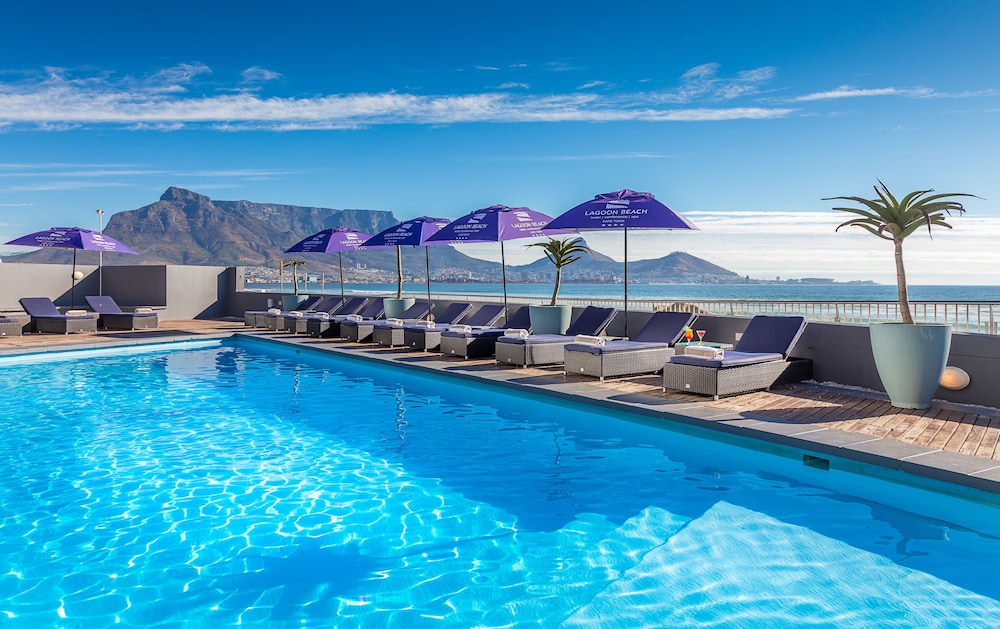
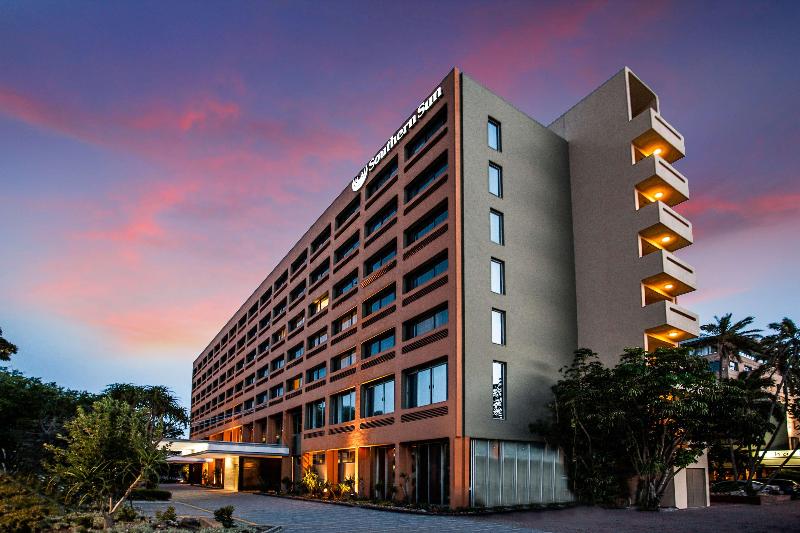
Waterfront hotels run R4,000-8,000 for four-star doubles in December and R8,000-15,000 for harbour- or mountain-facing rooms at the top end, dropping 35-50% between May and August. Landmark properties include the long-established Table Bay Hotel on the breakwater and the One&Only on the marina; the Silo District's converted grain-silo hotel sits at the luxury end with the museum below it. What the money buys is walkability, security, heated pools, and being at the pick-up point for almost every tour in the city.
The rational alternative is Mouille Point or Green Point, a 15-25 minute walk along the promenade, where sea-facing apartments run R1,800-4,000 with parking included and a real neighbourhood around them. Unless you have mobility constraints, small children or a very short stay, that walk saves you R2,000-5,000 a night. If you do stay in the precinct, book eight to twelve weeks out for December and ask specifically whether the room faces the harbour, the mountain or a service court.
Getting there and getting out
From the CBD it is a 5-10 minute drive or a 20-25 minute walk from the Company's Garden end; from Sea Point, 20-25 minutes on foot along the promenade past Mouille Point lighthouse. MyCiTi buses serve the precinct and connect to the Civic Centre station in town, where the airport route also runs — check current routes and fares with the operator. Uber and Bolt pick-ups are at designated ranks; expect R50-90 to the City Bowl, R120-180 to Camps Bay and R250-400 to Cape Town International, 20-30 minutes away on the N2.
Driving in is easy and parking is plentiful in multi-storey garages on hourly tariffs, with hotels usually capping a daily rate for guests — budget R80-150 for a long day if you are not staying. Traffic backs up at the Dock Road entrances on December weekends and on cruise-ship days, so arrive before 10:00 or after 16:00. The precinct is one of the few places in Cape Town where walking after dark is entirely comfortable, with visible private security throughout.
The two-day plan I would use
Day one: 08:00 Robben Island ferry (booked weeks ahead), back by lunchtime, eat at the food market, then Zeitz MOCAA for two hours and a sunset sail at 18:30 in summer. Day two: aquarium at opening, Watershed for an hour, walk the promenade to Mouille Point for lunch, and take the afternoon out of the precinct entirely — Bo-Kaap, the Company's Garden museums, or the cable car if the mountain is clear and the wind is down.
What to skip: the Cape Wheel unless you are travelling with children, the chain-brand shopping you can do at home, and any restaurant that has a person outside with a menu trying to move you inside. Also skip the Waterfront on a Saturday in mid-December, when the whole of Cape Town shops here and the queues for everything double. The precinct rewards early starts more than any other part of the city.
Before you book
The questions people ask about Cape Town, answered with this month’s numbers.
At least a week in peak season and ideally two to three, directly through the Robben Island Museum. Sailings are cancelled fairly often in strong wind or swell, so build a spare day into your itinerary and reconfirm the day before you travel.
Only if you have very little time, small children or mobility needs. Rooms run R4,000-15,000 in season against R1,800-4,000 for sea-facing apartments in Mouille Point and Green Point, which are a 15-25 minute promenade walk away and have real neighbourhood restaurants.
Roughly R900-1,400 per adult if you do one big attraction, lunch at the food market and a sunset sail — say R250-350 for the aquarium or museum, R70-160 for lunch, R250-450 for a boat, plus drinks. Verify current entry prices with each operator.