Sea Point to Camps Bay on Foot: The Coastal Road Walk
 Sea Point to Camps Bay on Foot: The Coastal Road Walk
A practical guide to walking Cape Town's Atlantic seaboard between Sea Point and Camps Bay, with distances, timing, landmarks and where to stay.
The Route: Sea Point Promenade to Camps Bay Drive
The walk begins on the Sea Point Promenade, the paved strip that runs from the Mouille Point lighthouse past theSea Point swimming pool and on towards Bantry Bay. This first stretch is flat, wide and busy with joggers and dog walkers, and it is the easiest part of the route. Most people cover the promenade in forty minutes to an hour at a gentle pace. From the pool, the path continues around the rocks at Bantry Bay, where the Atlantic swell hits hard and the pavement narrows.
At the end of the promenade, near the President Hotel and the Bantry Bay bend, you leave the flat ground behind. The onward route follows the coastal roads and stepped paths up through Bantry Bay towards Clifton. This is where the walk changes character: it becomes a climb, with sections of pavement, staircases between properties and short stretches where you share the road with traffic. Allow two to two and a half hours for the full Sea Point to Camps Bay route at an unhurried pace, and longer if you stop for photographs.
Bantry Bay, Clifton and the Climb to the Camps Bay Lookout
Bantry Bay is a steep, sheltered neighbourhood of apartment blocks stacked above the water, and the walking here is a series of short, sharp ascents rather than one long climb. You pass below Sea Point's higher streets, then round the corner into Clifton, where the four beaches sit in their own coves. Clifton's paths are not continuous along the water; you will move between beach level and the road above. The Fourth Beach is the most accessible and the busiest in summer, and there are public steps down to it from Victoria Road.
Beyond Clifton the road rises again towards the lookout point above Camps Bay, where the view opens across the bay to the Twelve Apostles. This is the steepest sustained section, and on a hot day it is worth starting early. The descent into Camps Bay village brings you out near the beachfront and the strip of cafés along Victoria Road. If you would rather not walk the climb, the MyCiTi bus route along the coast covers the same ground, and minibus taxis run the route as well.
When to Walk and What to Carry
The best months for this walk are October to April, when the south-easter wind is strongest but the days are long and dry. December and January are the busiest, with Clifton and Camps Bay beaches packed and parking difficult. The wind is the main variable: the south-easter can make the exposed sections around Bantry Bay uncomfortable, and it tends to blow hardest in the afternoon. Walk in the morning, when the light is better for photographs and the wind is usually lighter. May to September brings rain and cooler temperatures, but the route is quieter and the light is dramatic.
Carry water, sun protection and a windproof layer, because the conditions change quickly between the sheltered streets of Sea Point and the exposed bends above Clifton. The route has public toilets at the Sea Point pool and at Clifton Fourth Beach, but few opportunities in between. Wear shoes with grip for the stepped sections, and keep to the pavement where it exists. There is no charge to walk the route, and the beaches at Clifton and Camps Bay are free public access.
Where to Stay for This Walk
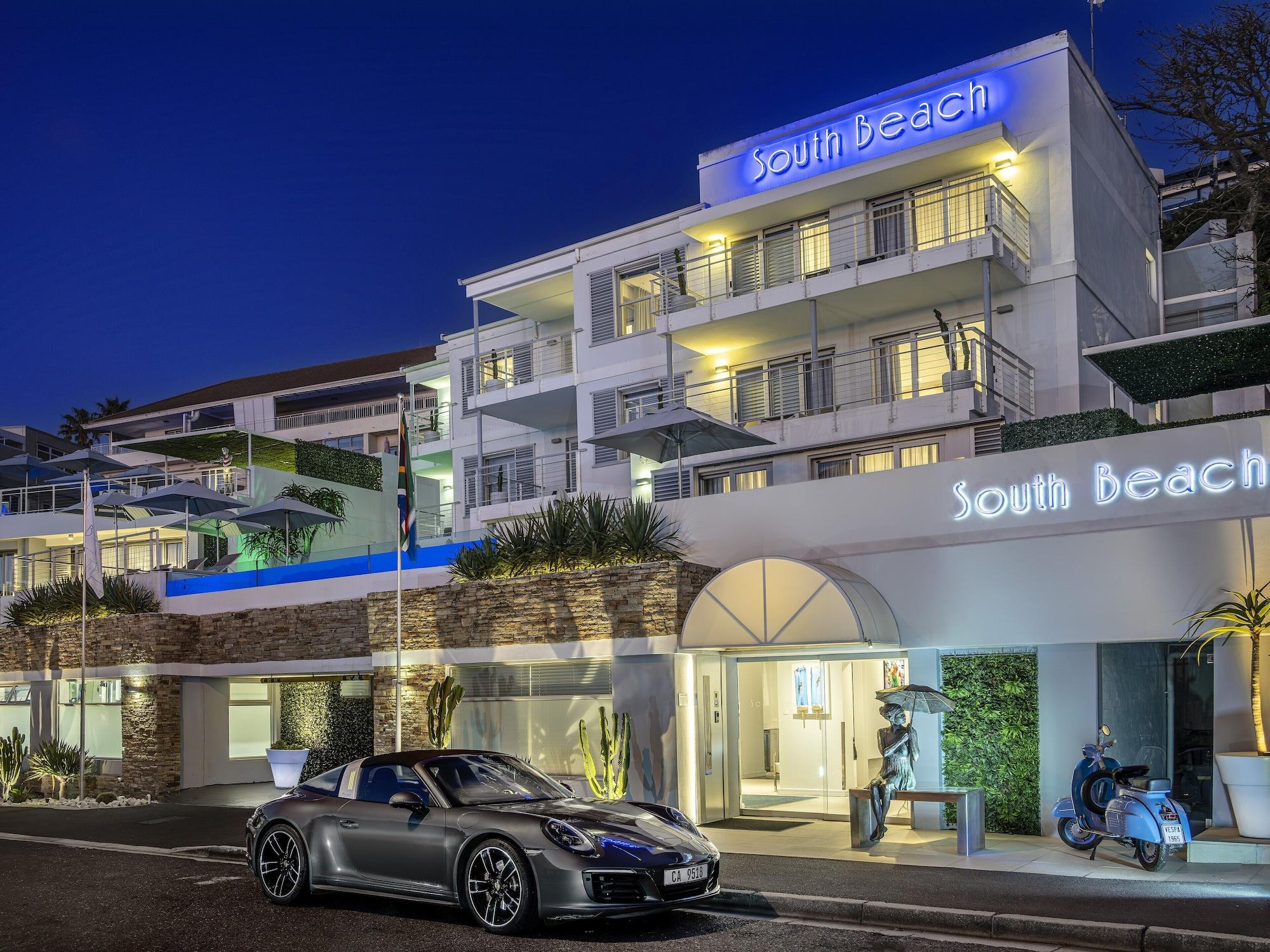
Sea Point suits walkers who want flat ground, frequent buses and a wide choice of apartments and small hotels along the promenade and Main Road. It is the most practical base for this route because you start at the beginning and can walk home from Camps Bay by bus or taxi. Camps Bay itself is the choice if you want the beach and the sunset views from Victoria Road, and it is where the walk ends. Expect higher prices in Camps Bay in December and January, and quieter, better-value rates in the shoulder months of March, April and October.
Bantry Bay and Clifton are quieter and steeper, with fewer shops and restaurants within walking distance, so they suit travellers who want a view and are happy to drive or take a taxi for groceries and meals. If I were booking for this walk, I would stay in Sea Point for the transport and the promenade, and plan a single afternoon in Camps Bay rather than basing there. Green Point and Mouille Point are also close enough to walk to the promenade start, and they put you near the V&A Waterfront for evenings.
Related articles
Before you book
The questions people ask about Cape Town, answered with this month’s numbers.
Most people take two to two and a half hours at an unhurried pace, including the climb through Bantry Bay and Clifton. Add time for beach stops and photographs. The first flat section along the promenade takes about forty minutes to an hour.
The promenade is busy and well used during daylight hours. The road sections through Bantry Bay and Clifton have pavements but share space with traffic. Walk in daylight, go with someone if you can, and use common sense about valuables and busy roads, as you would in any city.
Yes. The MyCiTi bus runs along the coast between Camps Bay and Sea Point, and minibus taxis cover the same route. Both are useful if you want to walk one way only or cut out the climb above Clifton.
Morning is best. The light is clearer for photographs, the south-easter wind is usually lighter, and you avoid the hottest part of the day on the exposed climb above Clifton. December and January afternoons are busiest on the beaches.
October to April is the driest and most reliable period, with long days. December and January are the busiest and windiest. March, April and October are quieter and often better value for hotels, while May to September is wetter but far less crowded.
Public toilets are available at the Sea Point swimming pool and at Clifton Fourth Beach, but there are few stops in between. Shops and cafés are concentrated in Sea Point and Camps Bay, so carry water and supplies before you set off on the middle section.
Sea Point is the most practical base, with flat ground, frequent buses and a range of hotels and apartments near the promenade. Camps Bay suits beach and sunset views, and Green Point and Mouille Point are close to the start of the route.
Shoes with grip are useful for the stepped paths through Bantry Bay and down to Clifton beaches. Trainers are fine for the promenade, but the climbs and staircases are easier with proper tread. Bring a windproof layer for the exposed sections.