Rainy Days in Cape Town: A Winter Guide to Indoors, Coast and Karoo-Style Comfort
 Rainy Days in Cape Town: A Winter Guide to Indoors, Coast and Karoo-Style Comfort
Cape Town's wet months run roughly May to August, and the city rewards planning with museums, food halls, wine estates and a few well-timed breaks in the weather.
Plan Around the Fronts, Not Against Them
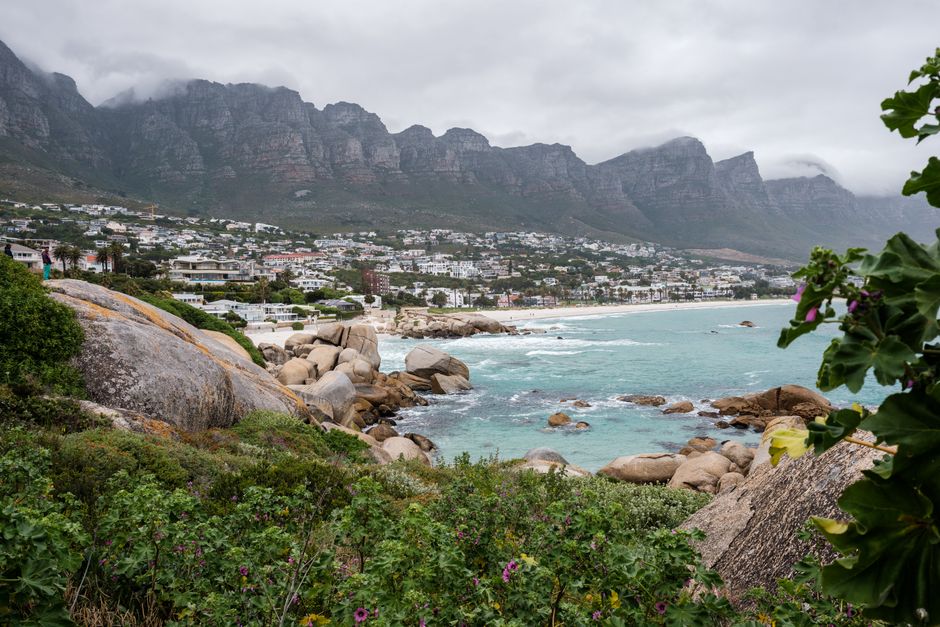
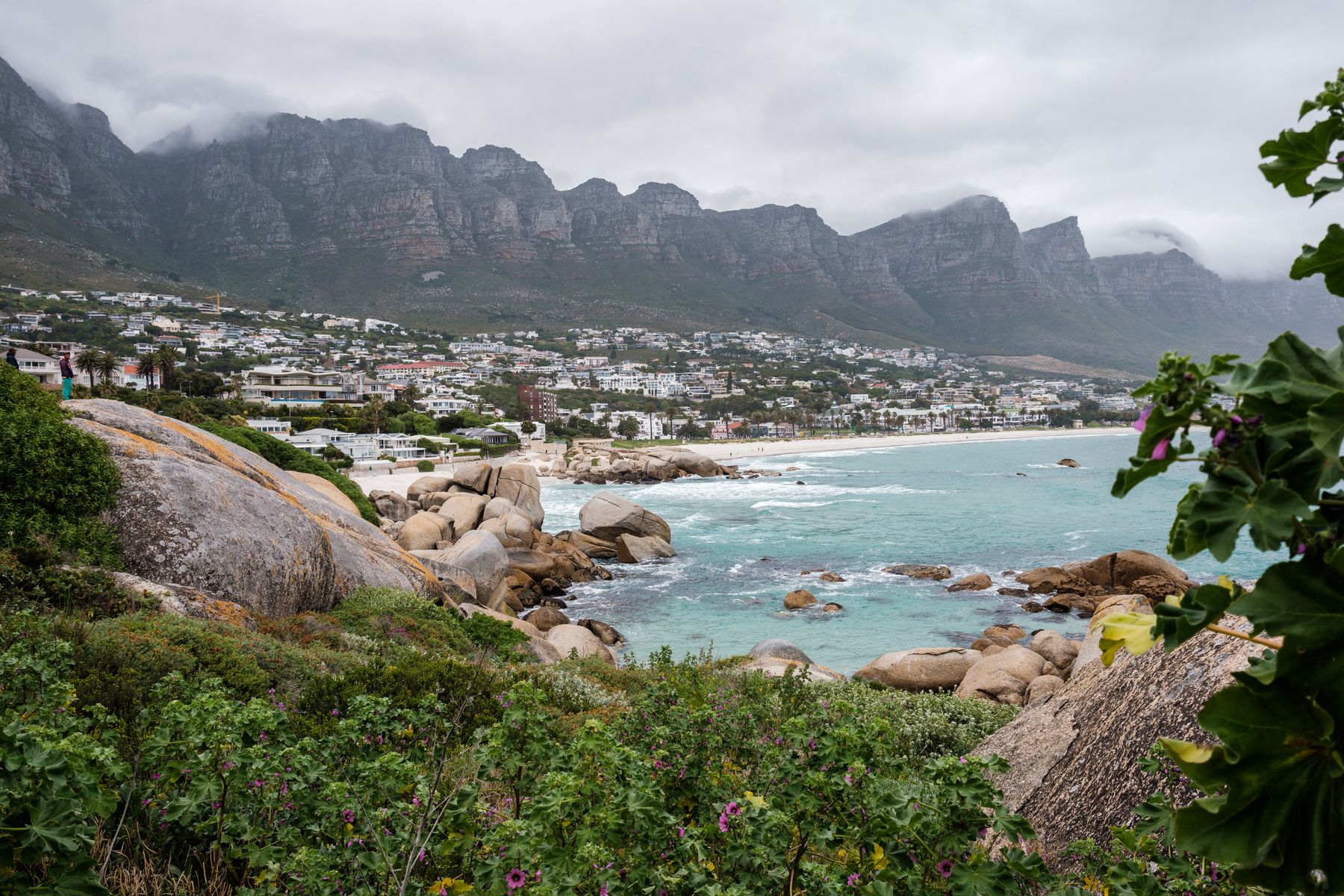
Cape Town's winter rain arrives in cold fronts that usually pass through in a day or two, which means a week here rarely washes out. Watch the South African Weather Service forecast for the Cape Metropole and build each day around a two- or three-hour window. Mornings often clear after a front moves east, so book indoor anchors for the middle of the day and keep the coast flexible. The Atlantic seaboard from Green Point to Camps Bay catches more wind-driven rain than the city bowl, while the southern suburbs around Constantia and Tokai can sit under cloud while the CBD is dry.
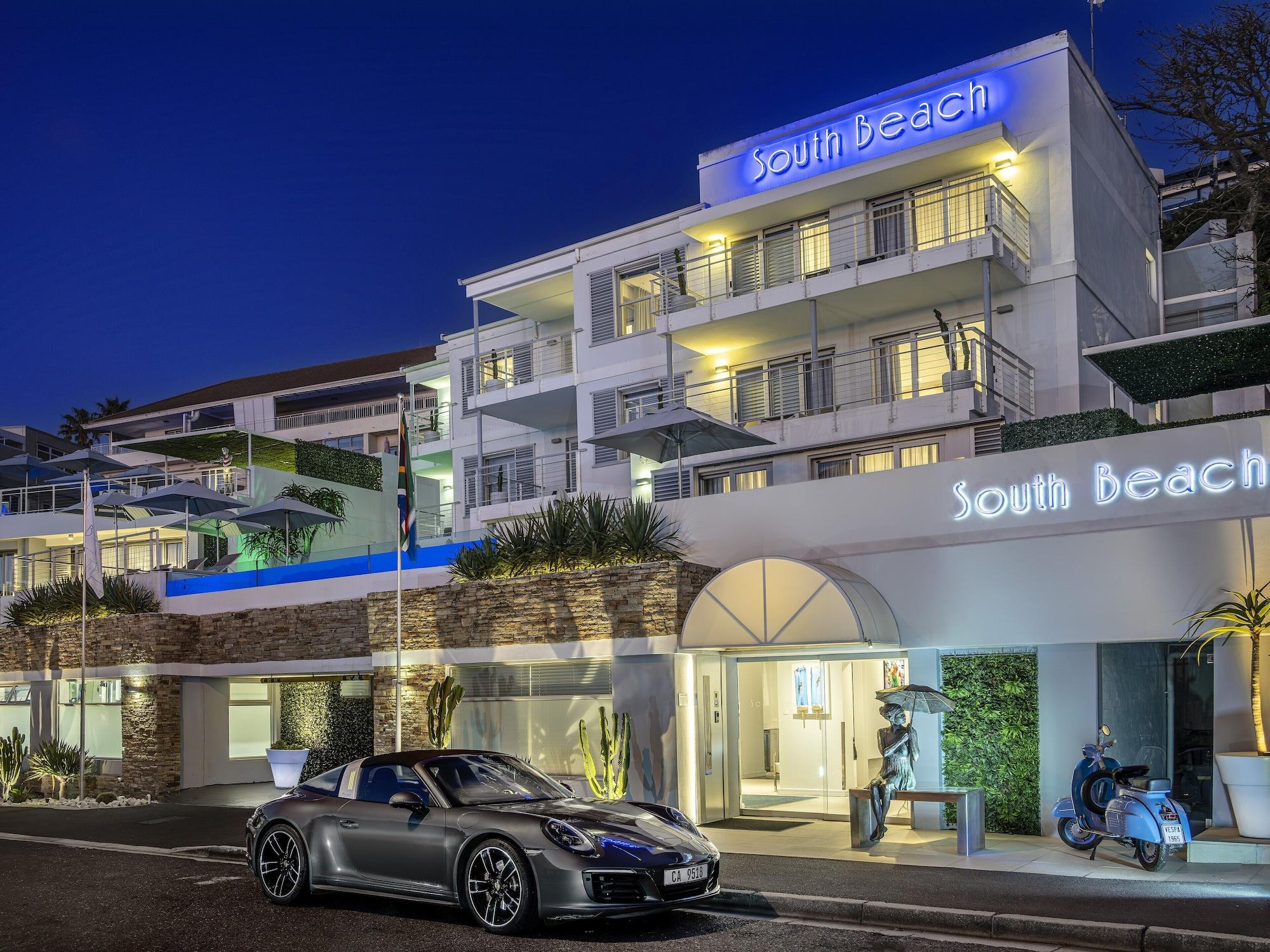
Base yourself in the City Bowl or along the Atlantic seaboard if you want to walk to dinner between showers, and expect winter room rates to run noticeably below the December peak. A hotel in Gardens or on Bree Street puts you within a short ride of the Iziko South African Museum, the Company's Garden and the restaurants of the East City. Sea Point and Green Point suit travellers who want the promenade on dry mornings and easy access to the V&A Waterfront. Book a place with covered parking if you are hiring a car.
Museums, Galleries and the Company's Garden
The Iziko South African Museum on Queen Victoria Street, beside the Company's Garden, is the obvious wet-weather stop, with natural history collections and the Planetarium next door. Entry is modest and the museum opens daily except Good Friday and Christmas Day. Combine it with the Iziko South African National Gallery on Government Avenue, then walk five minutes to the Company's Garden and duck into the greenhouse if the rain sets in. The Slave Lodge on Adderley Street and the Castle of Good Hope on Strand Street are within a ten-minute drive and both hold up well in poor weather.
For contemporary work, the Zeitz MOCAA at the V&A Waterfront Silo District is a striking building and stays busy on wet weekends, so arrive at opening. The Waterfront itself is a good fallback: the Two Oceans Aquarium, the Cape Union Mart Adventure Centre and the Watershed craft market fill an afternoon indoors. I would skip the hop-on hop-off bus on a heavy-rain day; the open top deck is miserable and the lower deck windows fog. Rather take a rideshare between the city bowl and the Waterfront, which is a ten- to fifteen-minute drive outside peak traffic.
Food, Wine and the Wet-Weather Drive
Winter is the season to eat well in Cape Town. Book a long lunch on Bree Street or in the East City, where restaurants along Bree, Church and Harrington streets cluster within walking distance. The Old Biscuit Mill in Woodstock hosts the Neighbourgoods Market on Saturdays, mostly under cover, and the surrounding design shops stay open in the rain. For a slower day, drive out to Constantia or Durbanville, both around twenty to thirty minutes from the city centre, and book a tasting at one of the wine estates; winter is quieter, and many cellars pour by appointment.
If you have a car, the rain makes a good excuse for a drive through the winelands rather than a hike. Franschhoek is about an hour from the city, Stellenbosch around fifty minutes, and both make comfortable day trips with a designated driver. Closer in, Kirstenbosch National Botanical Garden is worth visiting even in drizzle for the canopy walkway and the conservatory, though paths get slippery. Skip Table Mountain on a low-cloud day; the cableway often closes in high wind and the summit view shrinks to grey. Save the mountain for the first clear morning of your stay.
Practicalities for a Wet Cape Town Stay
Layers matter more than a heavy coat. Winter days in the city bowl commonly sit between roughly 8°C and 17°C, with colder mornings inland and rain that comes in sideways on the coast. Pack a waterproof shell, shoes with grip for wet stone steps, and something warm for evenings; many restaurants and guesthouses are not centrally heated. Public transport is limited, so budget for rideshares or a hire car. Trains on the southern line are not a reliable choice for visitors in poor weather, so treat the car as the default.
Book accommodation early for the June and July school holidays, when South African families travel and city hotels fill. Outside those weeks, winter is Cape Town's quietest season and the best value between May and August. If your priority is dry weather, aim for late September to April; if you want fewer crowds, lower rates and green hills, the wet months are rewarding. Travellers who book a flexible-rate room can shift a day if a big front is forecast, and that flexibility is worth more in winter than any single attraction. Keep one indoor anchor per day and let the forecast decide the rest.
Related articles
Before you book
The questions people ask about Cape Town, answered with this month’s numbers.
Yes, if you accept rain. May to August brings lower hotel rates, quieter restaurants and green scenery, with cold fronts that usually pass within a day or two. Plan indoor anchors and keep coastal and mountain days flexible.
July is typically the wettest month, with rain on around ten to twelve days and cooler temperatures. It rarely rains all day; fronts move through and often leave clear, crisp afternoons. Pack a waterproof layer and check the forecast each morning.
The Iziko South African Museum, the Zeitz MOCAA at the V&A Waterfront, the Two Oceans Aquarium and the Slave Lodge all work well. Bree Street restaurants and the Watershed market fill the rest of the day without needing a car.
A car helps for wine estates in Constantia, Durbanville and Stellenbosch, and for Kirstenbosch. In the city bowl, rideshares are cheaper and easier than parking. Choose covered parking if your hotel offers it, since street parking in wet weather is unpleasant.
Go on the first clear morning of your stay, before the cloud builds. The cableway closes in high wind and low visibility, and winter schedules are shorter. Check the cableway's operating status online before travelling up.
The City Bowl and Gardens keep you near museums, the Company's Garden and restaurants, while Sea Point and Green Point suit promenade walks between showers. The V&A Waterfront is convenient but busier. Look for covered parking and a flexible rate.
Most are, and winter is a strong season for long lunches along Bree Street and in the East City. Some wine estates shorten hours or pour by appointment, so phone ahead. The Saturday Neighbourgoods Market in Woodstock runs mostly under cover.
Bring layers, a waterproof shell, shoes with grip for wet stone and something warm for evenings, since many buildings lack central heating. Daytime temperatures in the city bowl sit between roughly 8°C and 17°C, colder on Table Mountain and inland.