Muizenberg for Beginners: Your First Surf Session Without the Rush
 Muizenberg for Beginners: Your First Surf Session Without the Rush
Muizenberg's gentle waves and warm water make it Cape Town's most forgiving place to try surfing — here's how to plan a low-pressure first session.
Why Muizenberg Works for First-Timers
Muizenberg's surf beach, a 30-minute drive from central Cape Town along the M3 or M5, is the city's most reliable spot for beginners. The bay curves gently from the Pavilion to Sunrise Circle, and the sandy bottom slopes gradually, so you can stand waist-deep well before the waves break. Water temperatures hover around 15–18°C — chilly by tropical standards but warm enough for a 3/2mm wetsuit. The best months for calm, clean conditions are February to April and September to November, when the south-easter is lighter and the swell is manageable.
The surf zone is patrolled by lifeguards on weekends and school holidays, and the local surf schools cluster around the beach huts at Sunrise Circle. Lessons typically run in two-hour slots, with group sessions costing R350–R500 and private instruction R600–R900. Boards and wetsuits are included. Book a day or two ahead, especially in December and January, when the beach is busiest. Avoid the 10am–2pm crunch if you want more space; early morning or late afternoon sessions are quieter and often have better glassy conditions.
Getting There and What to Bring
From the city centre, take the M3 south and exit at Muizenberg; the drive takes 25–35 minutes outside peak traffic. Alternatively, the MetroRail Southern Line runs from Cape Town station to Muizenberg in about 40 minutes, with trains roughly every 30–60 minutes. The station is a 10-minute walk from the beach. Parking near Sunrise Circle fills up by 9am on weekends; try the side streets off Beach Road or the paid lot at the Pavilion. Bring sunscreen, a towel, and warm clothes for after — the wind can pick up quickly.
Most surf schools provide everything you need: board, wetsuit, and rash vest. Wear a swimsuit underneath and leave valuables at your hotel. There are outdoor showers and changing rooms near the beach huts, plus several cafes along Beach Road for a post-surf coffee. If you're driving, note that parking attendants often expect a small tip (R10–R20) — keep some change handy. The beach is also a short drive from the False Bay coastline, so you can combine a session with a visit to Kalk Bay or Simon's Town.
What a First Session Actually Looks Like
A typical beginner lesson starts with 20 minutes on the sand: learning to paddle, pop up, and fall safely. Then you hit the water with an instructor who pushes you into small waves. The goal is to stand up and ride straight to the beach — no turning required. Muizenberg's waves are forgiving, but the water can be cold and the current can push you along the beach; your instructor will keep you in the best zone. Expect to be tired after two hours; the paddling is the real workout.
Group sizes are usually six to eight per instructor, so you get reasonable attention. If you're nervous, book a private lesson — the extra cost is worth it for the one-on-one feedback. After the session, warm up at one of the nearby cafes; the Empire Cafe and Knead are popular. If you want to practice on your own later, board rental costs around R200–R300 per day. But for a first time, a lesson is essential — the local knowledge about rips and sandbars is not something you can wing.
Where to Stay and What to Skip
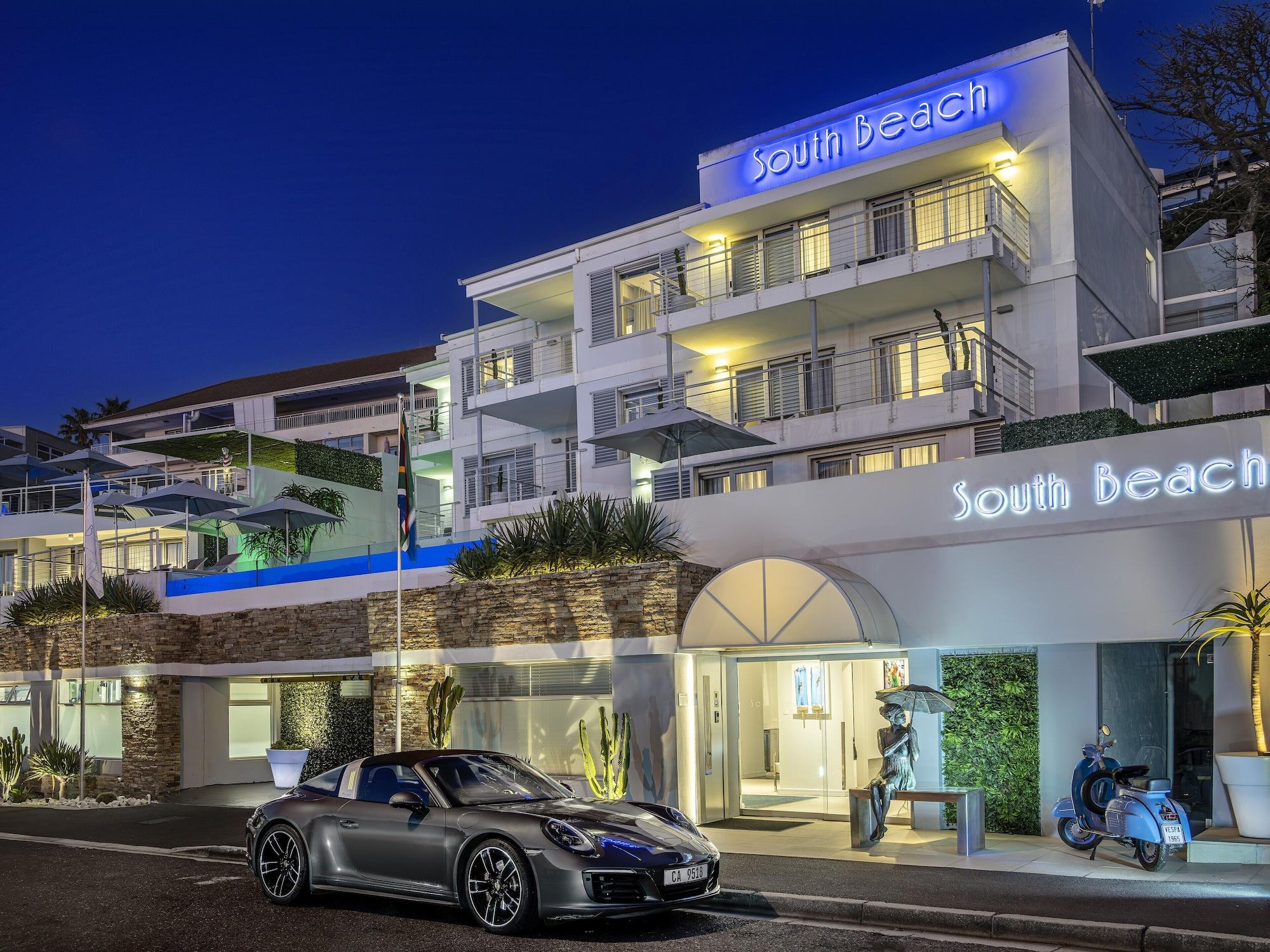
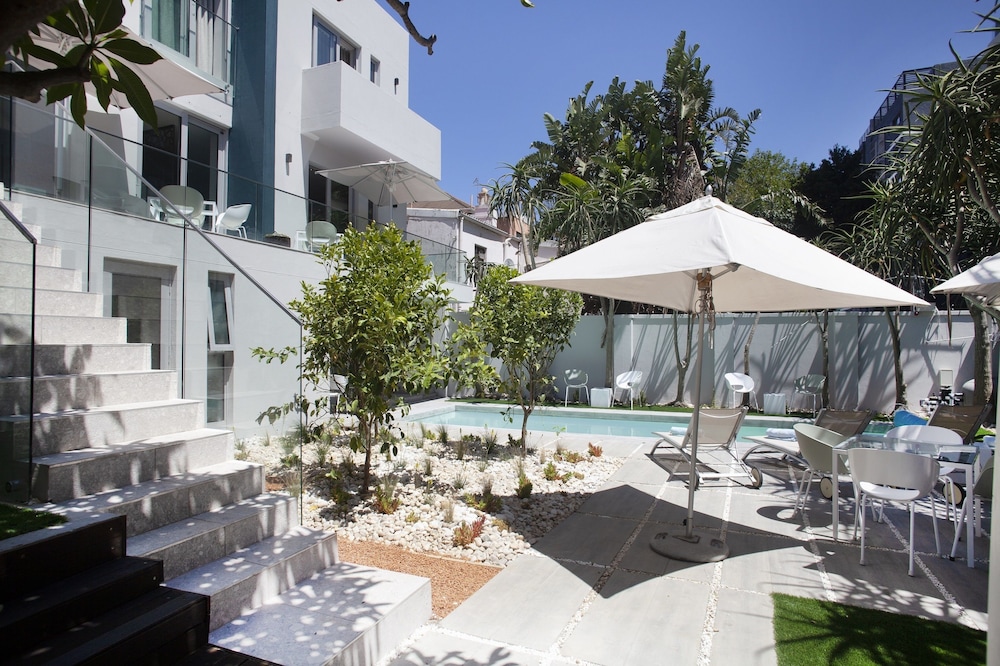
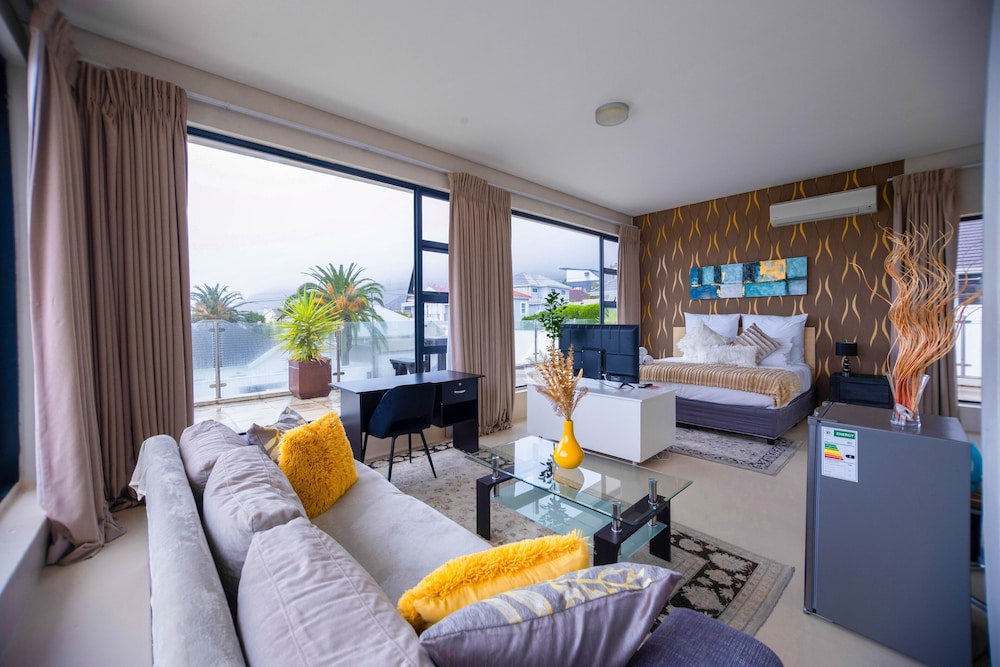
Muizenberg has a range of guesthouses and self-catering flats, but the hotel stock is limited. For a surf-focused trip, stay in Muizenberg or nearby Lakeside — both are within 10 minutes' drive of the beach. Expect to pay R800–R1,500 per night for a mid-range guesthouse. If you prefer more choice, central Cape Town (City Bowl, Sea Point) offers more hotels, but the drive to Muizenberg adds 20–30 minutes each way. I'd book a guesthouse in Muizenberg for the convenience, especially if you plan multiple sessions.
Skip the famous shark-spotting tours at nearby Fish Hoek — they're not relevant to surfing and can be expensive. Also skip trying to surf without a lesson if you've never stood on a board; the lifeguards are busy and the rips near the rocks at the east end are stronger than they look. And don't bother with the rental shops in the city centre — they're geared toward experienced surfers and cost more. Stick to the beach-side schools, which include everything and know the conditions.
Before you book
The questions people ask about Cape Town, answered with this month’s numbers.
Yes, especially from November to March. Schools like Gary's Surf School and Surf Emporium fill up quickly. Book online a day or two ahead to secure a spot, and confirm the meeting point at Sunrise Circle.
It ranges from 14°C in winter to 20°C in summer. A 3/2mm wetsuit is comfortable year-round; most schools provide one. In summer, a spring suit might suffice, but bring a rash vest for warmth.
Yes, the surf zone is patrolled by lifeguards on weekends and holidays. The waves are gentle and the bottom is sandy. However, always surf with an instructor if you're new, and avoid the rocks at the east end.
Drive via the M3 or M5 (25–35 minutes), or take the MetroRail Southern Line from Cape Town station (40 minutes). Trains run every 30–60 minutes. Parking near the beach fills up early on weekends.
Bring a swimsuit, towel, sunscreen, and warm clothes for after. Most schools provide boards and wetsuits. Leave valuables at your hotel; there are changing rooms and outdoor showers near the beach huts.
Absolutely. Muizenberg is one of the best places in Cape Town to learn. Book a beginner lesson — group sessions cost R350–R500 and include equipment. The instructors will teach you the basics on the sand and in the water.
There are guesthouses and self-catering flats in Muizenberg and Lakeside, typically R800–R1,500 per night. For more hotel options, stay in central Cape Town, but factor in a 20–30 minute drive to the surf.
February to April and September to November offer the most forgiving conditions: lighter winds and manageable swell. Avoid the peak December–January crowds if you prefer a quieter experience.