Is Cape Town safe? An honest answer for 2026
 Evening street scene in central Cape Town with people walking
Millions of visitors have a trouble-free trip here every year and the city also has a serious crime problem — the two facts coexist, and about eight habits separate one experience from the other.
The honest framing
Cape Town's violent crime is real, heavily concentrated, and largely does not occur where visitors go. The great majority of it happens in specific under-resourced neighbourhoods on the Cape Flats, driven by gang conflict, and is a daily reality for residents there rather than a risk profile for someone staying in Gardens or Sea Point. Conflating the city's homicide statistics with your own likely experience is a category error — but so is pretending the tourist areas are risk-free, because opportunistic theft, phone snatching and vehicle crime absolutely do reach them.
The realistic risk for a visitor is being robbed of a phone, a bag or a camera, most often through distraction or a snatch, occasionally at knifepoint on a quiet street after dark. Serious harm is uncommon and usually follows resistance. That means the sensible posture is boring and effective: carry little, display less, move by car after dark, and hand over anything anyone demands. Most people who follow those rules leave saying it was the best trip they have taken.
Area by area: where you can walk and when
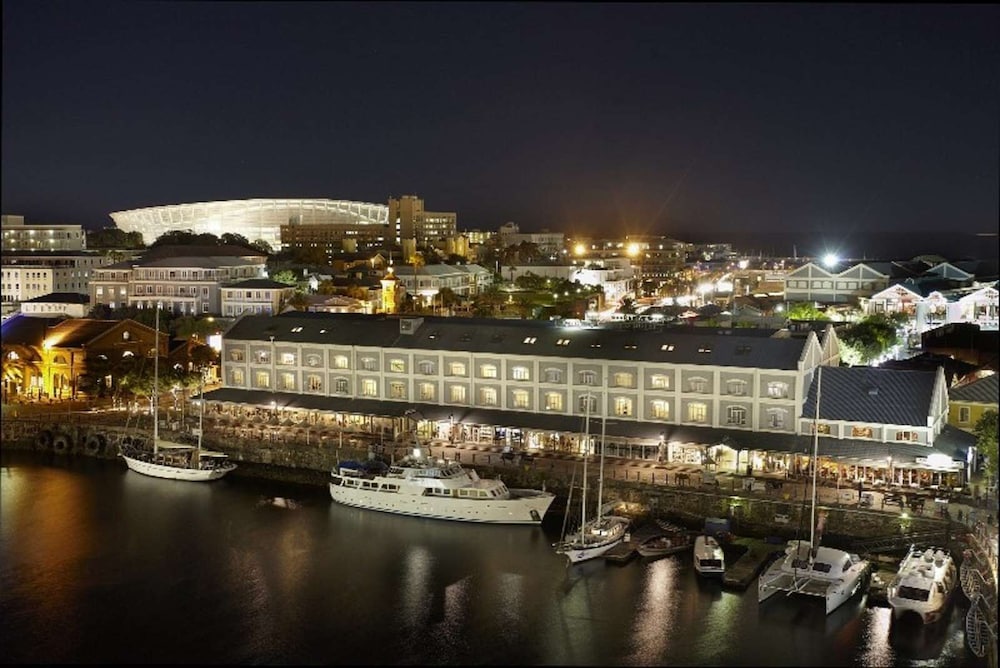
The V&A Waterfront is a privately secured precinct and is comfortable day and night. The Sea Point promenade is busy and fine until about 22:00; after that the crowd thins and you should ride. Camps Bay's strip is fine in the evening but the residential streets above it are dark and empty. The City Bowl — Bree, Loop, Long and Kloof Streets — is lively and generally fine while people are around, but Long Street after midnight attracts phone snatchers and the side streets off it are not for wandering.
Be more careful in Woodstock, Salt River and Observatory after dark: these are working neighbourhoods with excellent food and genuine muggings on quiet blocks, so Uber door to door. The Company's Garden and Bo-Kaap are daytime places — go before 17:00 and do not wander the upper Bo-Kaap lanes alone at night. Avoid walking anywhere near the CBD's fringes towards the station and the taxi rank after dark, and do not go into townships independently; go with a registered guide or a community-run tour operator, which is also a far better experience.
The mountain and the trails
Table Mountain has a persistent robbery problem on quiet trails, and it is where visitors most often get caught out because it feels like a park. Muggings have occurred on Lion's Head, on the Pipe Track, on Signal Hill and on the lower slopes above Kloof Nek — usually at dawn or dusk, usually on solo hikers. Hike in groups of three or more, stay on the popular routes at popular times, keep phones and cameras out of sight on empty sections, and do not carry a laptop or an expensive bag.
The other mountain risk is the mountain itself. Weather turns within an hour, the tablecloth cloud reduces visibility to metres, and every summer brings rescues of people who set off in trainers with a 500ml bottle of water. Carry two litres, a windproof layer, a headtorch and food; tell your accommodation your route and return time. Save 10111 for police and 112 from a mobile before you go, and look up the current Table Mountain National Park emergency number on the SANParks site — do it in the room, not on the mountain with 4% battery.
Cars, parking and the roads
Vehicle crime is the most likely thing to actually happen to you. Smash-and-grabs occur at intersections and freeway off-ramps, so drive with bags in the boot, nothing on the passenger seat, and windows up in slow traffic. Never leave anything visible in a parked car, including a phone cable or an empty bag, and never leave valuables at all — trailhead and beach parking areas are worked by thieves. Park off-street and behind a gate overnight; that is the single biggest reason to choose a hotel with secure parking.
Car guards in reflective vests are an informal, widespread institution: they watch cars for tips, R5-20 is normal, and they are generally a positive presence. Pay on return, not on arrival. On the road, be alert for taxis stopping abruptly, pedestrians on freeway verges, and rain making the N2 and M3 slick. Drink-driving enforcement is serious and roadblocks are common — the limit is low and a night out means an Uber. Baboons on the far-south roads will open an unlocked car; keep doors locked and food out of sight.
Money, phones and the everyday stuff
Cards work almost everywhere, including in taxis and market stalls with mobile readers, so carry R200-400 in cash and leave the rest in the room safe. Use ATMs inside shopping centres or bank branches during the day, never a street machine at night, and refuse any offer of help at the machine, however official the person sounds — that is the standard card-swap approach. Keep a photograph of your passport on your phone and the original in the safe.
Phone snatching is the defining petty crime here. Do not walk along Long Street or Main Road holding a phone at arm's length, do not put it on a restaurant table, and use a cross-body bag zipped and in front. Set up a burner routine if you can: a cheap second phone for navigating, with the good one at the hotel. If someone demands your phone or bag, give it. It is insured; you are not.
Solo travellers, women, and LGBTQ+ visitors
Cape Town is a comfortable city for solo travellers by day and a car-dependent one by night. Solo women report the usual mix — friendly, easygoing daytime interactions, and a need for care after dark that is stricter than in most European cities. Practical rules: Uber or Bolt from door to door after sunset, share your trip in the app, sit in the back, check the plate, and do not accept a driver who asks you to cancel and pay cash. Hostels and guesthouses are used to arranging shared transport for evening plans.
South Africa has strong constitutional protections and Cape Town has a long-established, visible LGBTQ+ scene, centred on the De Waterkant area around Somerset Road in Green Point, plus events through the year. Attitudes in the tourist areas are relaxed; in some outlying suburbs and small Karoo and Overberg towns they are more conservative, so read the room as you would anywhere. The practical advice does not differ from anyone else's: rides after dark, valuables out of sight, and a phone that stays in a pocket.
Scams, protests and load-shedding
The common scams are mild: overpriced "guides" attaching themselves to you at viewpoints, a person claiming your car needs a specific parking payment, someone with a clipboard collecting for a charity that does not exist, and taxi drivers quoting a flat fare rather than metering — use an app instead. Aggressive begging occurs on Regent Road in Sea Point and around the CBD; a polite, firm no works, and donating to an established local shelter helps far more than street cash.
Two structural things to check before you travel. Electricity supply has improved considerably from its worst years, but it is still a fair question to ask any hotel whether it has a generator or inverter backup — and worth checking current status before you arrive. Occasional service-delivery protests and taxi-industry strikes can close roads including routes to the airport at short notice; if one is announced, follow local news, leave far earlier for flights, and do not attempt to drive through a blocked road. Save your consulate's number and travel-insurance line in your phone before you fly.
Before you book
The questions people ask about Cape Town, answered with this month’s numbers.
In the V&A Waterfront, yes. On the Sea Point promenade and the Camps Bay and Kloof Street strips, yes while they are busy, up to about 22:00. Beyond that, and anywhere in the CBD fringes, Woodstock or Observatory, take an Uber or Bolt door to door.
Yes, with company. Robberies happen on quiet trails at dawn and dusk and almost always target lone hikers, so go in a group of three or more on popular routes at popular times, keep phones out of sight, and carry water, a windproof layer and a headtorch.
Only with a registered guide or a community-run operator — never independently. Well-run tours in Langa, Bo-Kaap and Khayelitsha are among the most valuable things you can do here, and booking through your accommodation or an established operator keeps the money in the community.
10111 for police and 112 from any mobile. Add your accommodation's number, your insurer's 24-hour line and the current Table Mountain National Park emergency contact from the SANParks site if you plan to hike. Save them on arrival, before you need them.