Hotels with backup power and water tanks in Cape Town, ranked
 Inverter battery cabinet and water storage tanks behind a Cape Town guesthouse
The 8 kinds of Cape Town stay that keep the lights, the Wi-Fi and the shower running when the grid or the taps misbehave, with price bands from R900 to R9,000 a night.
What 'backup power' actually means on a Cape Town booking page
Three very different systems hide behind the same phrase. A diesel generator carries everything, including lifts, air conditioning, kettles and the kitchen, and switches over within about thirty seconds. An inverter with a lithium battery bank carries lights, plug points, the Wi-Fi router and sometimes a bedside fan, but not anything with a heating element. Rooftop solar with storage sits between the two and fades if three grey Cape winter days line up. A listing that says only "generator on site" without saying whether guest rooms are on the backed-up circuit is telling you very little.
Ask two questions by email before you pay a deposit: does the backup circuit reach guest-room plug points, and does the hot water stay hot. Many City Bowl guesthouses run gas geysers, which means showers survive anything. Others run electric geysers with enough tank volume for a couple of hours. Load-shedding has eased a great deal from its worst years, but stages can return at short notice, so check Eskom and the City of Cape Town for the current position rather than trusting a review written in a quieter month.
V&A Waterfront and Green Point: the most reliable tier
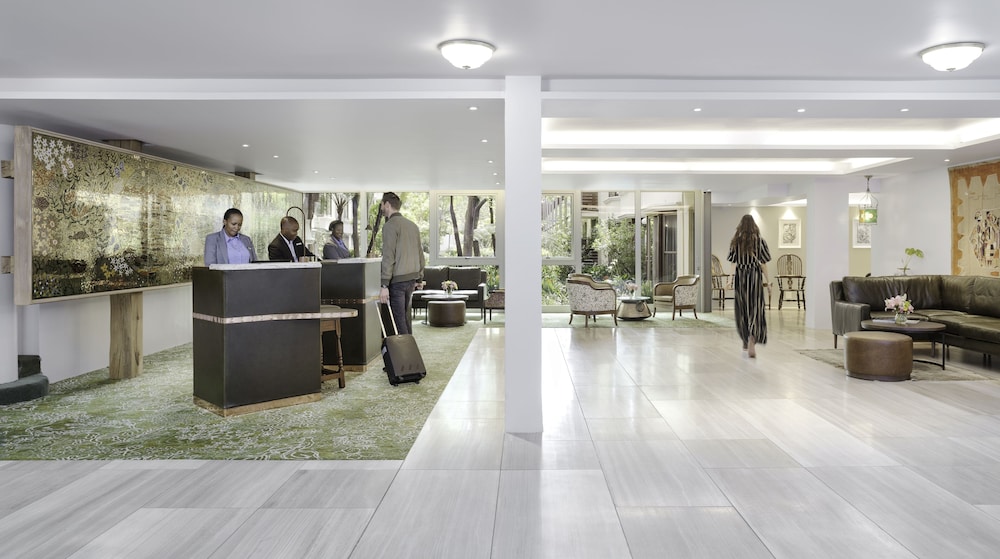
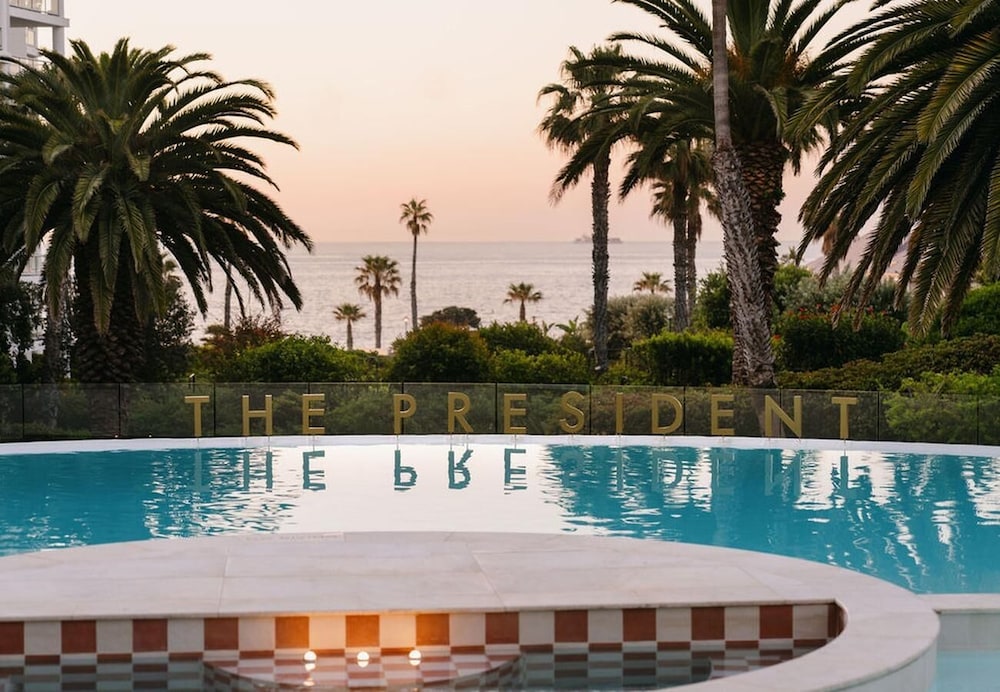
The large hotels around the Waterfront and along Beach Road in Green Point are the safest bet, because they were built with plant rooms and their owners cannot afford a dark lobby. Expect full generator cover, lifts that keep working, restaurant kitchens that keep cooking and, in several cases, water storage measured in tens of thousands of litres. Rates run roughly R2,800 to R6,500 for a double in the March to May and September to November shoulders, and comfortably double from mid-December to mid-January when the whole peninsula fills up.
The trade-off is that you pay for the plant room whether you use it or not, and the Waterfront is an expensive place to eat three meals a day. If the grid is behaving, a City Bowl boutique at half the price gives you a better dinner walk. Book this tier if you are travelling with work deadlines, small children who need a nightlight and a bottle warmer, or medical equipment that must not lose power. It is also the tier to choose in July and August, when a cold, wet, dark evening in an unheated room is genuinely unpleasant.
City Bowl boutiques and guesthouses: inverter reality
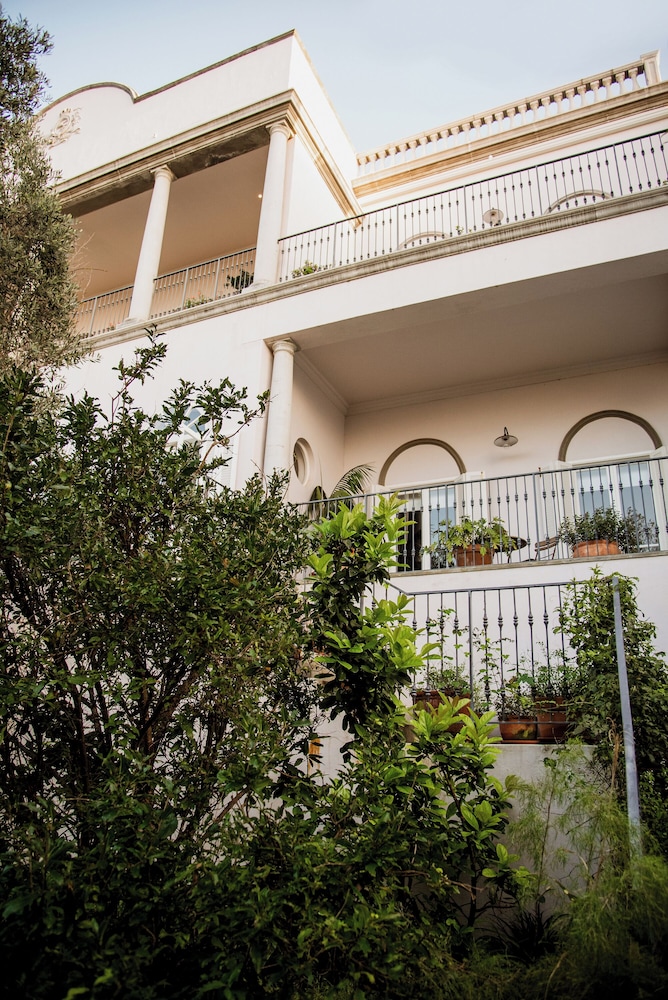
Kloof Street, Tamboerskloof, Gardens and the streets above Buitengracht are full of eight to twenty-room conversions running inverters rather than generators, because a generator in a residential street brings noise complaints. Typical cover is lights, sockets, the router and the alarm, for four to six hours. Your laptop and phone charge normally, the kettle does not, and the air conditioner does not. Rates sit around R1,400 to R3,000 for a double in shoulder season, with the smaller family-run guesthouses in Oranjezicht and Vredehoek closer to R900 to R1,800.
This tier suits anyone who spends the day out and only needs the room to work in the evening. Look for two specifics in the description: gas hobs in the breakfast kitchen, and a gas geyser or heat pump for hot water. Skip the top-floor room in a walk-up if the building has a single lift on the unbacked circuit and you have heavy bags or dodgy knees. If the property is coy about the size of its battery bank, assume it is small and pack a headtorch and a 20,000mAh power bank.
Sea Point and Camps Bay apartment blocks: check the block, not the flat
Self-catering apartments along Regent Road, Beach Road and the Camps Bay slopes are let by dozens of small operators inside buildings that were not designed around outages. What matters is the body corporate, not the host: some blocks have installed a communal generator that runs lifts, corridor lights and the water pressure pumps, others have nothing and leave every owner to fit their own inverter. In a fifth-floor flat with no pump backup, the taps can thin to a dribble during an outage even when the municipal supply is fine.
Ask whether the building has a pressure pump on backup and whether the hob is gas or induction. A gas hob plus an inverter for lights is a perfectly comfortable combination for a week of self-catering at R1,600 to R3,500 a night for two bedrooms. Induction plus no backup is a cold-sandwich holiday. Camps Bay adds a wind factor rather than a power one: the summer southeaster funnels down the slopes and rattles anything unlatched, so a sheltered courtyard unit beats a glamorous exposed balcony from November to February.
Winelands and Constantia estates: the off-grid end
Working farms in Stellenbosch, Franschhoek, Paarl and the Constantia valley solved this years ago, because a cellar cannot lose refrigeration and irrigation cannot pause. Estate accommodation frequently sits behind a solar array with battery storage, a diesel generator as backstop, and a registered borehole for water. That combination is the closest thing to genuine independence you can book near Cape Town. Guest cottages and estate suites run about R2,500 to R9,000 a night depending on whether you are in a converted labourer's cottage or a manor suite with a vineyard view.
The catch is the drive. Franschhoek is roughly an hour from the city on the N1 and R45, Stellenbosch about 45 minutes, Constantia 25 minutes from the Waterfront on a good run, and every one of those numbers grows by half in Friday afternoon traffic. Estates also usually require a car, and rural road lighting is poor. Book here if you want the wine country anyway and the resilience is a bonus, not if you want to be in a City Bowl restaurant at 20:00 four nights running.
Water: tanks, boreholes and what 2018 left behind
The 2018 drought rewired Cape Town's plumbing. Almost every hotel built or refurbished since fits low-flow shower heads, dual-flush cisterns and, in the larger properties, greywater capture for gardens and toilet flushing. Many City Bowl and Atlantic Seaboard guesthouses installed 5,000 to 10,000 litre JoJo tanks on the roof or in the side alley, plumbed to take over automatically when municipal pressure drops. Dam levels have recovered a long way since then, but planned municipal maintenance shutoffs still happen suburb by suburb, and a tank turns those from a crisis into a non-event.
Two honest cautions. Borehole water in parts of the southern suburbs and the Winelands is hard and sometimes faintly sulphurous, so bring a bottle if you are fussy about taste. And a tank without a pressure pump gives you gravity-fed dribble, not a shower. Ask which it is. Municipal tap water in Cape Town is safe to drink and consistently tests well, so you do not need to buy bottled water, whatever the minibar suggests. For current restriction levels, check the City of Cape Town rather than a hotel's older FAQ page.
The verdict, and what to pack anyway
If resilience is your top priority and budget allows, book a full-service hotel on the Waterfront or Green Point's Beach Road: generator, lifts, hot kitchen, stored water, no thinking required. If you want the same reliability with better value and a car, take a Constantia or Stellenbosch estate with solar, battery and borehole. If you are a city-walking traveller on a mid-range budget, a Gardens or Tamboerskloof guesthouse with an inverter, a gas geyser and a gas hob covers everything that actually matters for about R1,600 a night.
Skip any listing that says "we have backup" and will not answer a direct question about circuits, geysers and pumps. Pack a headtorch, a power bank, and a plug adaptor for South Africa's chunky three-pin sockets, since some inverter circuits only feed selected outlets. Load the EskomSePush app on arrival for the area schedule if stages are active. Then stop worrying: for most 2026 visitors this is a background detail rather than a holiday-defining one, and the peninsula's hotel stock is far better prepared than its reputation suggests.
Before you book
The questions people ask about Cape Town, answered with this month’s numbers.
Only in hotels with a full generator, which in practice means the larger Waterfront, Foreshore and Green Point properties. Inverter-backed guesthouses cannot run compressors. If you need cooling in a February heatwave, book a generator hotel or a room with cross-ventilation and a ceiling fan on the backed-up circuit.
Yes. Municipal supply across the peninsula is treated to a high standard and locals drink it straight from the tap. Boreholes on Winelands estates taste harder and more mineral but are also treated. Check the City of Cape Town for any current restriction or maintenance notices affecting your suburb.
In generator-backed hotels, yes, after a pause of roughly thirty seconds. In inverter-backed guesthouses and most apartment blocks, no. If you are on the fourth floor of a converted townhouse with luggage, mobility issues or a pram, ask for a low floor when you book rather than on arrival.
No. Weigh it alongside location and walkability, because outages come in blocks of two to four hours and most travellers are out during them. Prioritise backup if you work online, travel with an infant, rely on powered medical equipment, or are visiting in the cold, dark stretch from June to August.