Hiking Table Mountain by Platteklip Gorge: A Practical First-Timer's Guide
 Hiking Table Mountain by Platteklip Gorge: A Practical First-Timer's Guide
Platteklip Gorge is the shortest and steepest way up Table Mountain — here is what the climb actually involves, how to time it, and where to base yourself in Cape Town.
What Platteklip Gorge actually is
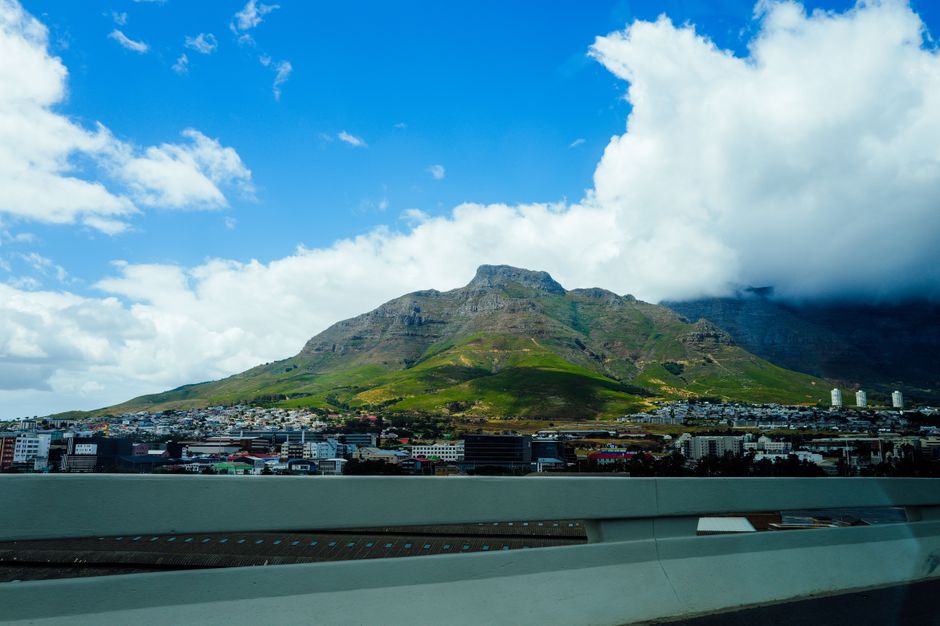
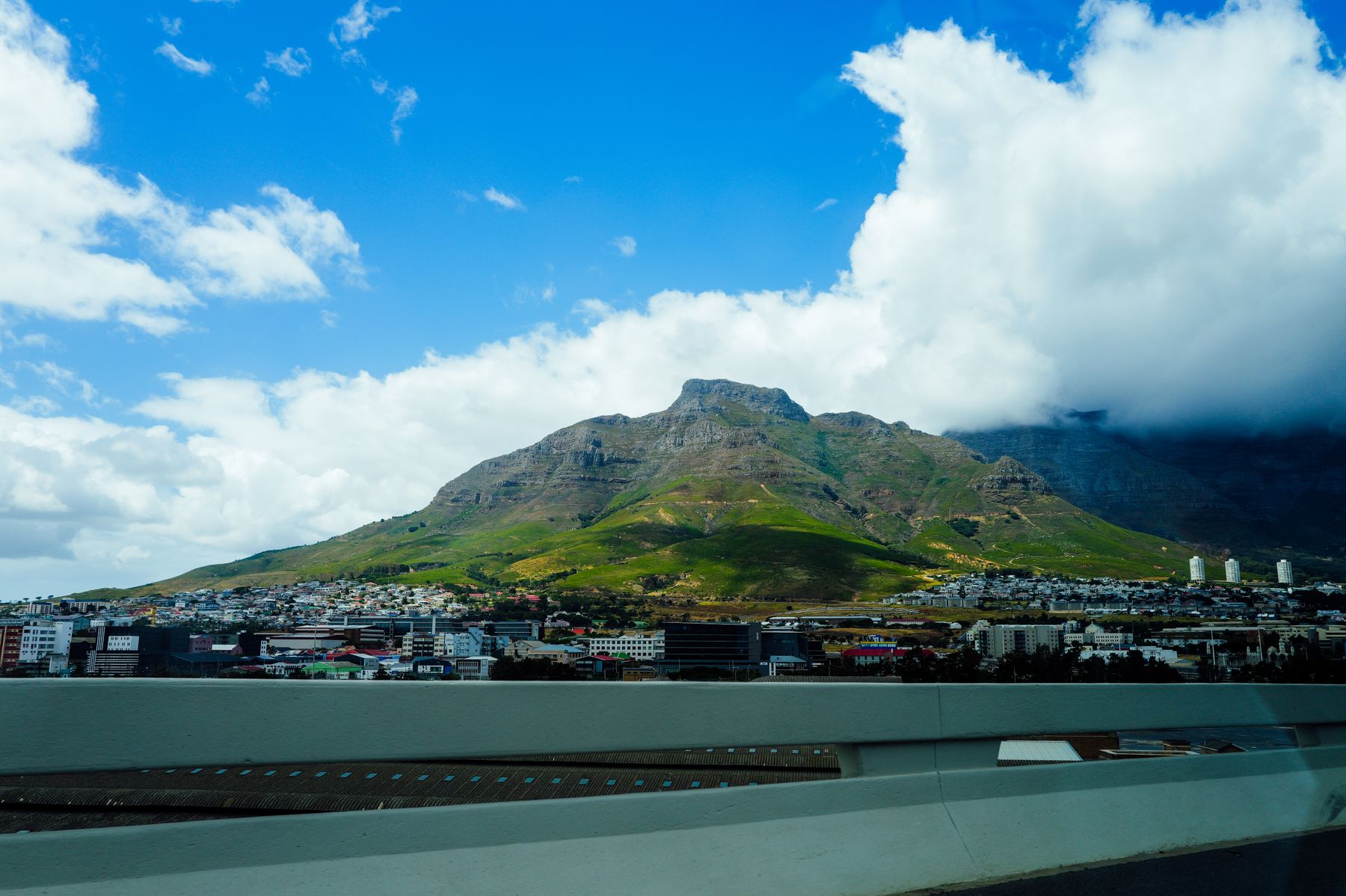
Platteklip Gorge is the deep cleft on Table Mountain's northern face, directly above the city bowl. The trailhead sits on Tafelberg Road, roughly a ten-minute drive from the CBD and a short walk from the lower cableway station. It is the most direct walking route to the summit: about 2.5 kilometres of continuous stone steps climbing roughly 700 metres. There is no scrambling, no exposure and no route-finding — which is exactly why it suits confident beginners, and why it is far busier than the longer, quieter routes such as Skeleton Gorge from Kirstenbosch or Kasteelspoort from Camps Bay.
Most people take two to three hours up and around ninety minutes down. The steps are uneven and in places thigh-high, so it is a steady plod rather than a stroll. You will be sharing the path with everyone from trail runners to families in takkies. If you want solitude, this is not the route. If you want the shortest, most straightforward line to the famous view over Table Bay, it is the one to plan your trip around.
Timing, weather and what the mountain decides
Table Mountain makes its own weather, and the cableway closes in high wind. Start early — 6am to 7am in summer (November to March) — because the gorge faces north and bakes by mid-morning. Carry at least two litres of water per person; there is nothing on the route. Check the South African Weather Service forecast and the Table Mountain Aerial Cableway's own operating status before you set out. In winter (June to August), the mountain is often capped by a cloud table and the steps get slick; a clear winter day, however, is the best hiking weather of the year.
Do not descend the gorge in fading light or drizzle. If the cableway is running, the standard plan is up the gorge and down by cable car — a one-way adult ticket is in the region of a few hundred rand, so check the current rate on the day. Those who walk both ways should leave the summit by early afternoon. Skip Platteklip entirely in strong south-easterly wind or low cloud; the route is not technical, but it is relentless, and there is no shelter from either sun or weather.
Fitness, kit and the honest expectations
This is a climb, not a walk. If you can manage two hours on a stair machine with conversation, you will be fine. If not, consider the gentler contour paths around the lower slopes — the Pipe Track from Camps Bay, or the paths above Kirstenbosch — and take the cable car up for the view. Wear shoes with grip; the steps are worn smooth in places. Bring a warm layer for the summit, where it is often ten degrees cooler and windy, plus sun cream, a hat and a charged phone. Leave valuables at the hotel.
There are no toilets or taps on the route. The nearest facilities are at the lower cableway station, where there is also parking and a café. Muggings have occurred on Table Mountain paths, more often on quiet routes at quiet hours; walking in daylight, in sight of other people, and not carrying obvious valuables is sensible. Guided hikes are widely available throughout Cape Town and are worth the money if you want company or context on the mountain's fynbos and geology.
Where to stay, and how to sequence the day
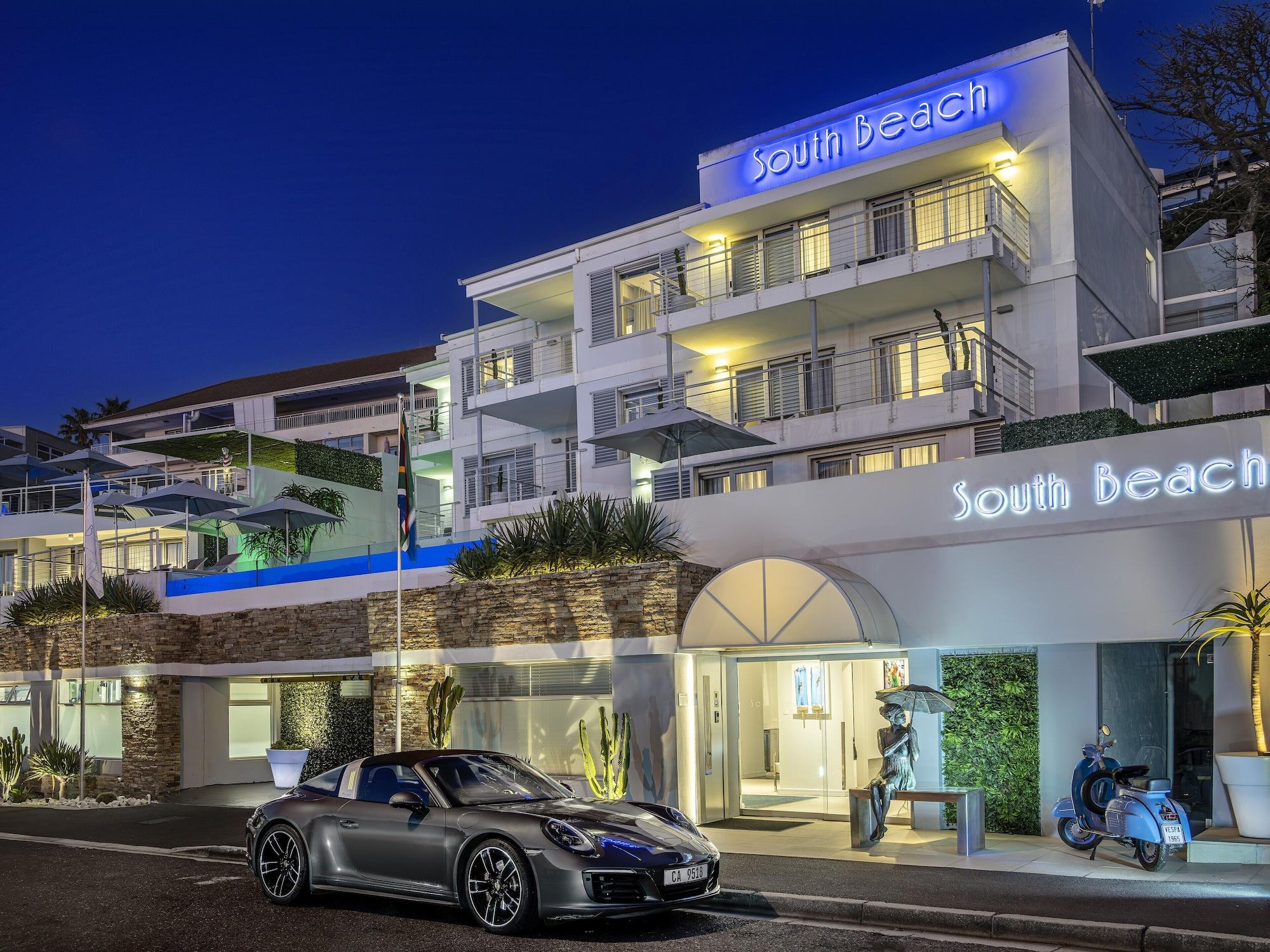
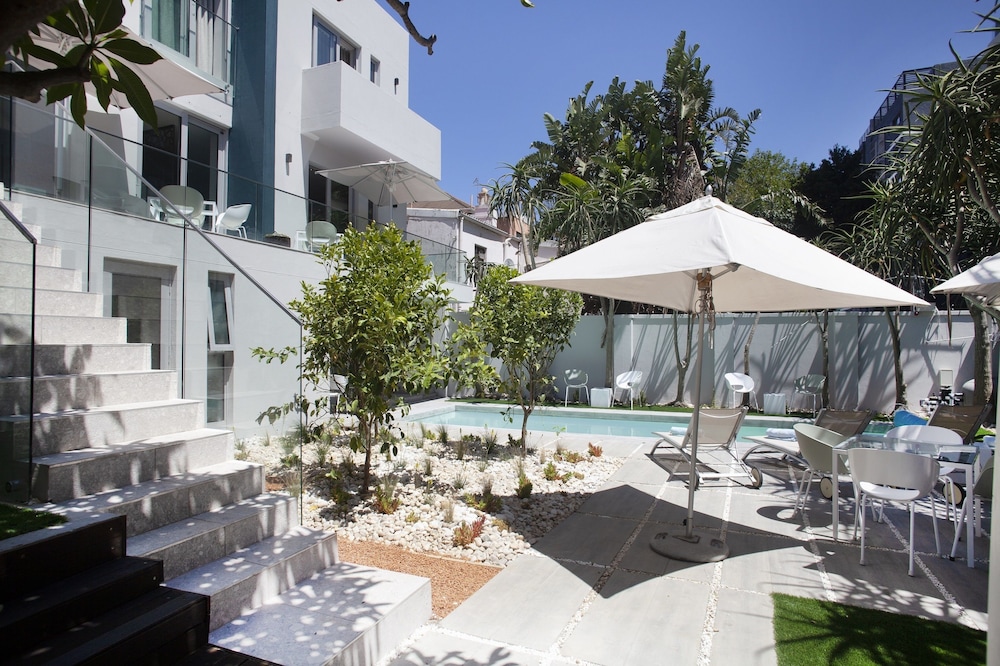
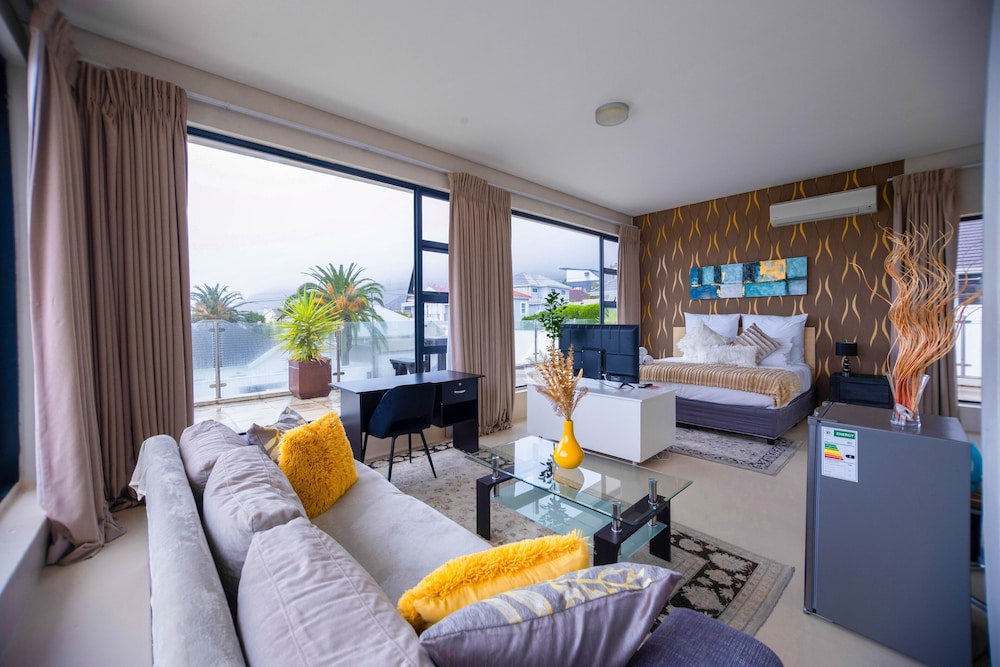
The single biggest factor in a good Platteklip day is how little time passes between waking up and standing at the trailhead. Base yourself in the City Bowl or along the Atlantic seaboard. From Tamboerskloof, Gardens and Oranjezicht you are a ten- to fifteen-minute drive from Tafelberg Road, and close to Kloof Street's cafés for a pre-dawn breakfast. Sea Point and Green Point give you the promenade for a recovery stroll and a twenty-minute drive to the trailhead. For a first visit built around this hike, I would book a small guesthouse in Oranjezicht or Tamboerskloof over a Waterfront chain hotel: you trade harbour views for a five-minute hop to the mountain and quieter streets at night.
Allow a full day and do not schedule the gorge on your arrival day after a long-haul flight, or the morning of your flight home. Pair the descent with something low-effort: the cable car down, then a late lunch in Kalk Bay after a coastal drive, or a slow afternoon at Kirstenbosch. Late September to November and March to April give the best balance of clear weather and manageable heat. If the summer south-easter is building, move the hike a day — a spare morning is the difference between a highlight and a regret.
Where beginners go wrong
The temptation is to run the descent. The steps punish knees and ankles, and most injuries on the route happen on the way down when legs are tired. Trekking poles help; so does taking the cable car down if your knees are doubtful. Platteklip is manageable for steady walkers of about ten and up who are used to hills — younger children are better served by the easier paths at Kirstenbosch or the Green Point promenade. And if cloud is sitting on the tabletop, do not go up hoping it clears; it usually does not, and the view is the point.
Confirm the Table Mountain National Park gate times and the cableway's seasonal hours before you commit, and check them with your hotel the evening before. South African National Parks charges a daily conservation fee for the park; the cableway ticket is separate, so budget for both and verify current rates. Your hotel can usually arrange a taxi or advise on ride-hailing pickup points around Tafelberg Road. Book a Cape Town room with a free-cancellation window where possible — mountain weather is the one variable you cannot book around.
Related articles
Before you book
The questions people ask about Cape Town, answered with this month’s numbers.
Most walkers need two to three hours to reach the summit and about ninety minutes to descend. Add time at the top for the view and a rest. Start before 7am in summer so you are off the exposed north-facing steps before the heat builds.
No. The route is a single line of stone steps with no turns to miss. A guide adds value for the mountain's fynbos, geology and history rather than navigation, and several operators run scheduled walks from the city bowl if you would rather have company.
That depends on wind, cloud and scheduled maintenance, so check the Table Mountain Aerial Cableway's operating status on the morning itself. If the cableway is closed, you can still walk up and down the gorge — just start earlier and leave the summit by early afternoon.
Two litres of water per person, shoes with grip, sun cream, a hat and a warm windproof layer for the summit. No taps or toilets exist on the route, so carry everything you need. Leave passports, spare cards and other valuables in the hotel safe.
Oranjezicht, Tamboerskloof and Gardens put you ten to fifteen minutes' drive from Tafelberg Road, with Kloof Street open early for breakfast. Sea Point and Green Point work well if you want the promenade afterwards. From the V&A Waterfront you will need a taxi or ride-hailing to reach the trailhead.
Late September to November and March to April offer clear skies without peak summer heat. Summer (November to March) is fine if you start at dawn. A clear winter day in June to August is excellent walking, but the tablecloth cloud can close the mountain for days at a time.
Confident walkers of about ten and older who are used to hills generally manage it. Younger children are better served by flatter paths such as the Green Point promenade or the easy routes around Kirstenbosch, with the cable car providing the summit view.
Walk in daylight among other people, as the route is busy on clear mornings, and avoid carrying obvious valuables. Incidents on Table Mountain paths have tended to occur on quiet routes at quiet hours. Tell your hotel where you are going and when you expect to return.