Cycling from Observatory to the City Bowl: A Practical Guide for Cape Town Visitors
 Cycling from Observatory to the City Bowl: A Practical Guide for Cape Town Visitors
Here is what to expect when you hire a bike in Observatory and ride into the City Bowl, from route options and times to where to lock up and which streets to avoid.
The Route: Observatory to the City Bowl
The most direct cycling route from Observatory to the City Bowl runs along Main Road (M4) through Salt River and Woodstock, then into the city via Sir Lowry Road or Strand Street. It is about 6 kilometres and takes 25 to 35 minutes at a relaxed pace, depending on traffic and where in the City Bowl you are heading. The gradient is gentle, with a steady climb from Observatory into Salt River, then a descent into the bowl. Traffic is heavy in peak hours (7–9am and 4–6pm), so plan to ride outside those times if you are not a confident urban cyclist.
An alternative is the Liesbeek River cycle path, which follows the river from Observatory to the edge of the city centre near the Castle of Good Hope. This route is quieter and largely off-road, but it is not continuous and has a few tricky road crossings. The path is popular with commuters and is best ridden in daylight. It adds about 10 minutes compared with the direct Main Road route. Whichever way you go, expect to share the road with minibus taxis and delivery scooters; stay visible and signal clearly.
What to Expect on the Road
Cape Town drivers are not always accustomed to cyclists, so defensive riding is essential. Main Road has painted cycle lanes in some sections, but they are often blocked by parked cars or debris. The surface is generally good, though you will encounter potholes and tram tracks in Woodstock. The Liesbeek path is paved but narrow in places, with blind corners. If you are hiring a bike, check that it has working lights and a lock; most rental shops in Observatory and Woodstock provide these. Helmets are not compulsory by law for adults, but they are strongly recommended and often included in rental packages.
Weather can change quickly. The best months for cycling are October to April, when conditions are dry and mild. The southeaster wind (known locally as the Cape Doctor) can be fierce in summer, especially in the afternoons, making the return trip from the City Bowl harder. Winter (June to August) brings rain and slippery roads; if you ride then, use mudguards and allow extra time. Temperatures in summer can reach 30°C, so carry water. Morning rides are usually calmest. Avoid riding after dark; lights are essential and some stretches are poorly lit.
Arriving in the City Bowl: Parking and Facilities
Once in the City Bowl, secure bike parking is limited. The main train stations—Cape Town Station and Woodstock Station—have bike racks but they are not monitored. Better options are the paid parking garages at the V&A Waterfront (about 2 kilometres from the city centre) or the parking at the Cape Town International Convention Centre (CTICC), which has designated bike racks. Some cafes in De Waterkant and Bree Street allow cyclists to lock up outside if they are customers. If you are staying in a hotel in the City Bowl, ask about secure storage; many boutique hotels and guesthouses in Gardens and Tamboerskloof offer it.
For a hassle-free visit, consider hiring a bike for the day rather than the whole trip. Rental shops in Observatory charge around R150–R250 per day for a basic mountain bike or city bike, often including a helmet and lock. Book ahead in peak season (December–January) when availability is limited. If you are staying in the City Bowl, you can also rent from shops in Woodstock or Sea Point. Return the bike before dark to avoid riding in low visibility. Remember that cycling on pavements in the city centre is not permitted and can attract fines.
Where to Stay and Practical Tips
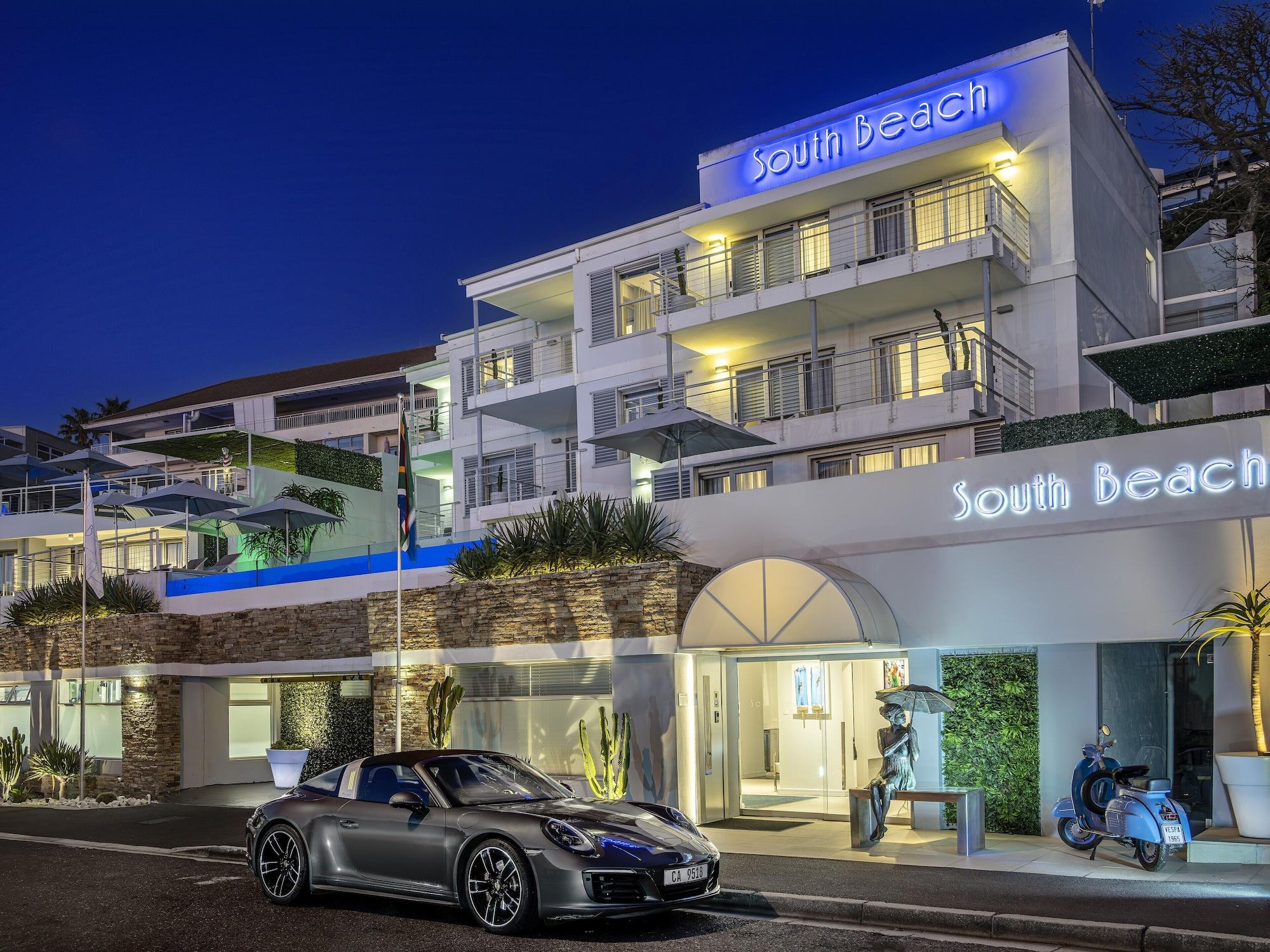
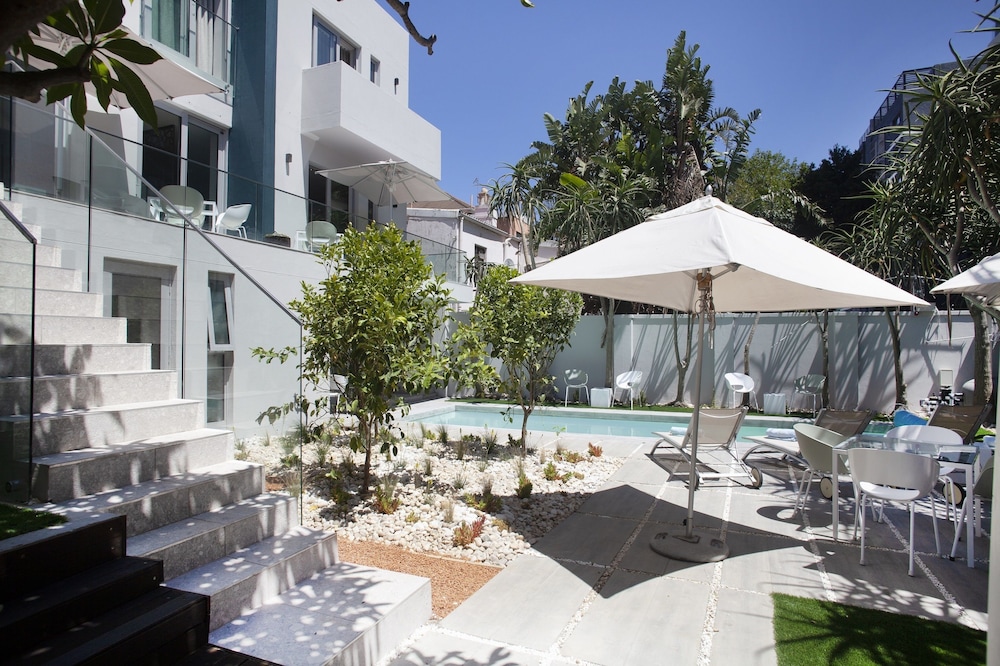
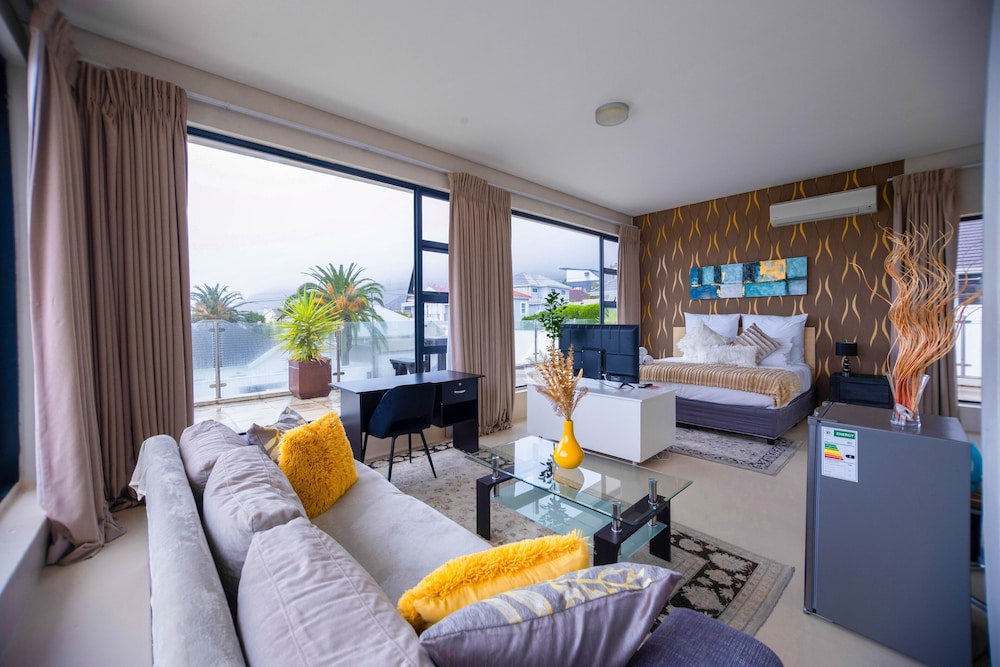
If you plan to cycle between Observatory and the City Bowl, basing yourself in the City Bowl makes sense. Neighbourhoods like Gardens, Oranjezicht, and Tamboerskloof are within easy cycling distance of the city centre and offer a range of hotels and guesthouses. They are quieter than the CBD and have secure parking options. Observatory itself has a few guesthouses popular with longer-stay visitors, but it is less convenient for City Bowl sightseeing. For a short trip, I would book a hotel in Gardens or De Waterkant: you can walk to restaurants and museums, and the ride to Observatory is mostly downhill in the morning.
A few final tips: carry a map or use an offline navigation app because signage is sparse. Keep your bike locked and remove valuables. Be cautious at intersections; some drivers do not yield. If you are not comfortable riding in traffic, consider the Liesbeek path and walk your bike across busy crossings. Finally, check the wind forecast: a strong southeaster can make the return leg tough, so plan to ride into the wind first. With preparation, cycling between Observatory and the City Bowl is a rewarding way to see a less touristy side of Cape Town.
Related articles
Before you book
The questions people ask about Cape Town, answered with this month’s numbers.
It takes about 25 to 35 minutes at a relaxed pace, covering roughly 6 kilometres. Traffic and wind can add 10 minutes. The route is mostly flat with a gentle climb into Salt River.
Safety depends on your experience. Main Road has heavy traffic in peak hours. The Liesbeek River path is quieter but has road crossings. Use lights, wear a helmet, and avoid riding after dark.
There are a few bike rental shops in Observatory, typically charging R150–R250 per day for a basic bike with helmet and lock. Book ahead in December and January when demand is high.
October to April offers dry, mild weather. Summer (December–February) can be windy, especially in the afternoon. Winter (June–August) is wetter and cooler, so pack rain gear if you ride then.
Secure parking is limited. Paid garages at the V&A Waterfront and CTICC have bike racks. Some hotels in Gardens and De Waterkant offer secure storage for guests. Avoid leaving bikes locked on the street overnight.
The Liesbeek path is quieter and largely off-road, but it has tricky crossings and adds about 10 minutes. Main Road is more direct but has heavy traffic. Choose the path if you prefer less traffic; choose Main Road if you want the fastest route.
Helmets are not compulsory for adults by law, but they are strongly recommended. Most rental shops include a helmet. Wearing one is common sense given the traffic conditions.
The City Bowl neighbourhoods of Gardens, Oranjezicht, and Tamboerskloof are convenient and have hotels with secure bike storage. Observatory has guesthouses but is less central for sightseeing. Book a City Bowl hotel for easier access.