Cape Town in a wheelchair: what is genuinely accessible
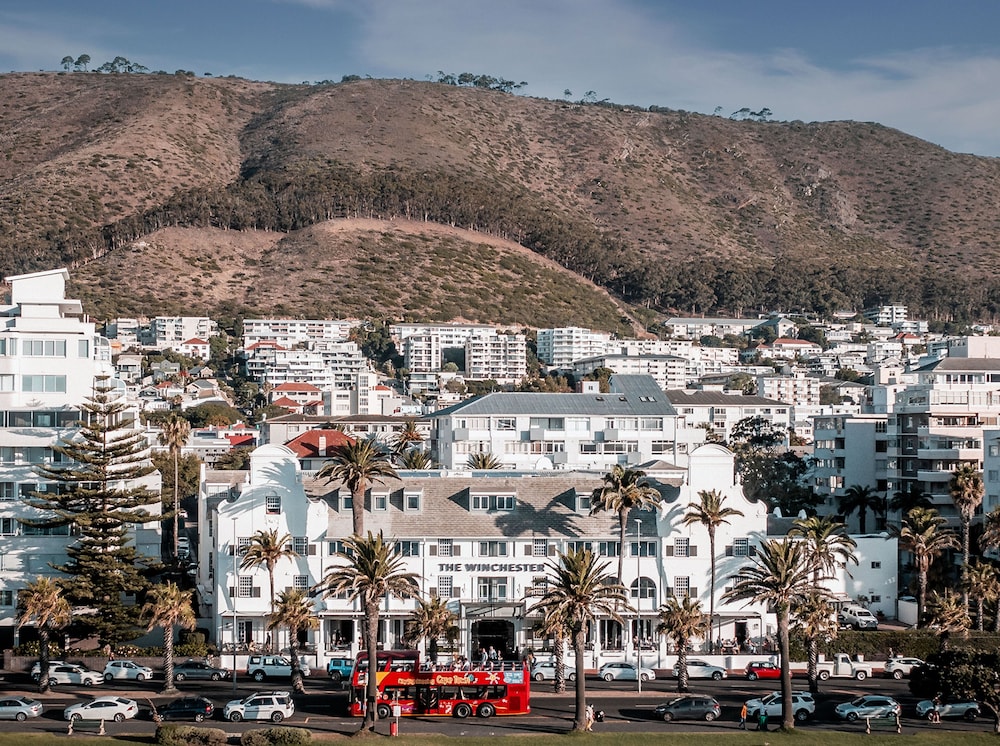
 A paved seafront promenade with mountain views and level access ramps
Cape Town is one of the more accessible cities in Africa but it is built on a mountain, so plan around three flat bases, four reliably accessible sights and one advance booking you cannot skip.
The honest overview before you book anything
The big-ticket sights are better than you expect and the pavements are worse. Table Mountain's cableway, Kirstenbosch, the Boulders penguin boardwalk and the V&A Waterfront all handle wheelchairs properly, while getting between them on foot is defeated by broken kerbs, missing dropped kerbs and gradients that read as gentle on a map and are not. Treat the city as a set of accessible islands connected by vehicle, not as a walkable whole, and your trip works. Try to stroll between neighbourhoods and you will spend the week fighting camber.
Two structural facts shape everything. First, scheduled power cuts still occur, and a hotel lift is only as reliable as its backup power, so this becomes a booking question rather than an inconvenience. Second, the city has almost no accessible taxi supply on demand: standard e-hailing cars take folding chairs in the boot but nothing else. If you use a power chair, the accessible transfer operator you book weeks ahead is the single most important reservation of the trip, ahead of any hotel or restaurant.
Arriving: the airport and the transfer
Cape Town International handles assistance competently: request it through your airline at least 48 hours ahead, and again at check-in for the return. Arrivals has level access, accessible toilets and lifts, and the walk from gate to kerb is short by international standards. The airport sits 22 km from the City Bowl on the N2, which is 25 minutes off-peak and up to 50 in the evening crush. Power-chair users should have their transfer meeting them inside arrivals, with the vehicle registration confirmed by message before you land.
The MyCiTi airport bus to the Civic Centre uses low-floor vehicles with wheelchair spaces and a fare in the region of R120 plus a reusable card, and it is a genuine option for manual-chair users travelling light. Confirm the route, hours and current fare with the City of Cape Town rather than trusting older posts. Standard e-hailing is fine if you transfer to a car seat and the chair folds; tell the driver up front, because a small hatchback with a full boot will not take a rigid frame.
Where to base yourself, and where not to
Sea Point is the strongest base. The promenade runs flat and paved for roughly 3 km from Mouille Point to the Sea Point Pavilion, with dropped kerbs, benches, public toilets and cafes right on it, and the grid of Main and Regent Roads behind it is comparatively level. The V&A Waterfront is the second choice: it is the most consistently accessible precinct in the city, purpose-built, with lifts, ramps and accessible parking bays, though you pay a precinct premium on food and rooms and it feels sealed off from ordinary Cape Town.
Avoid the upper City Bowl and Bo-Kaap for accommodation. Gardens, Tamboerskloof and Oranjezicht climb hard, and Bo-Kaap's cobbles are photogenic and unusable. Camps Bay is flat along the beachfront strip but steep everywhere behind it, and its restaurants stack chairs on narrow pavements. In the south, Muizenberg's beachfront and Kalk Bay's main road are workable in short bursts, but Kalk Bay's shopfronts have single steps almost universally. Base flat, and let vehicles do the climbing.
The four sights that genuinely work
The Table Mountain cableway takes wheelchairs into the rotating cars with level boarding, and a portion of the summit path network is paved and level with viewpoints reachable without steps. It closes in high wind, so book a flexible ticket and keep a spare morning. Kirstenbosch is the standout: broad tarred paths, the Boomslang canopy walkway approached from the ramped end, accessible toilets and, at the ticket office, a loan wheelchair scheme and buggy tours worth asking about when you arrive. Both reward an early start before the tour coaches.
At Boulders, the Foxy Beach boardwalk puts you at penguin eye level on a timber deck with no steps, which is the best wildlife encounter in the country for a wheelchair user; the adjacent Seaforth side is less consistent. At Cape Point, the Flying Dutchman funicular carries wheelchairs to the upper station, but the final scramble to the old lighthouse is steps, so accept the upper deck view. Robben Island depends on vessel and swell: contact the museum directly before booking, and treat a rough-sea cancellation as likely in winter.
Beaches, and what the sea actually allows
Muizenberg has the easiest beach approach on the peninsula: a flat car park, a level promenade behind the colourful bathing boxes, and a shallow, gently shelving beach. Some City beaches operate loan beach wheelchairs with balloon tyres at certain times of year, usually at the busier managed beaches, but availability moves season by season, so contact the City's beach management or the lifeguard hut a few days ahead rather than turning up hopeful. Camps Bay and Clifton have soft, deep sand and, at Clifton, long stair descents that rule them out entirely.
The Sea Point Pavilion is the underrated pick: an outdoor saltwater pool complex on the promenade at a low entry fee, level throughout, with the Atlantic right there and no sand to cross. Water temperature on the Atlantic side sits around 12-16C year round, so the pool is not a lesser option, it is the sane one. On the False Bay side, Fish Hoek's beachfront path and St James's tidal pool are the two flattest approaches to actual seawater.
Questions to ask an accommodation before you pay
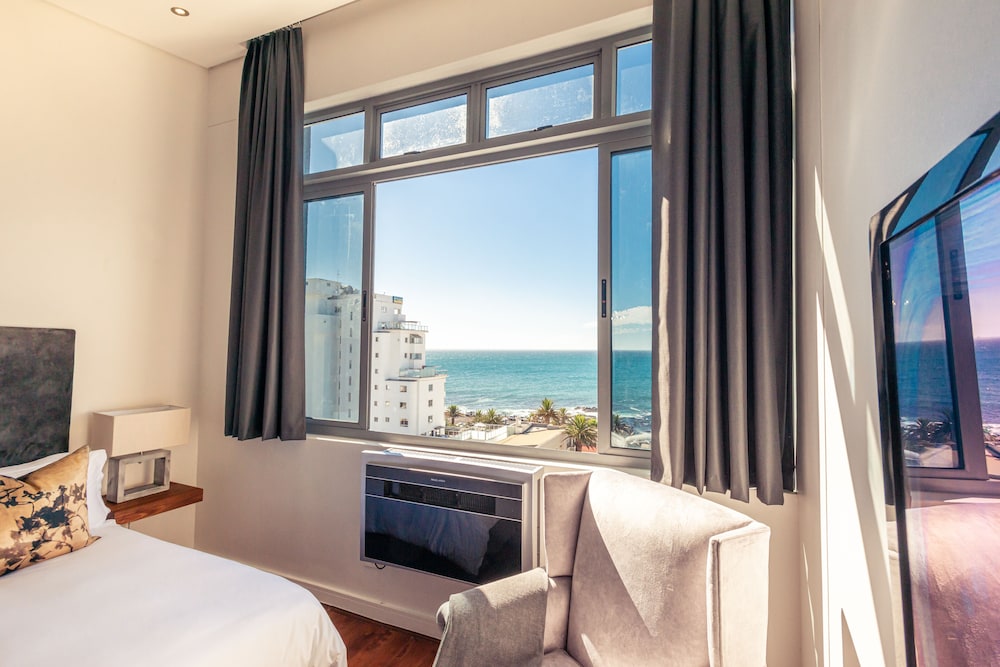
The word accessible is used loosely here, so ask specifics in writing. How many steps from the street to reception, and is there a ramp or a portable one? Is the lift on the generator or inverter during a power cut, and if not, what is the plan for a guest on the fourth floor? Is the bathroom a roll-in shower or a bath with a grab rail, and what is the door width in centimetres? Ask for photographs of the bathroom door, the shower threshold and the entrance, not the room.
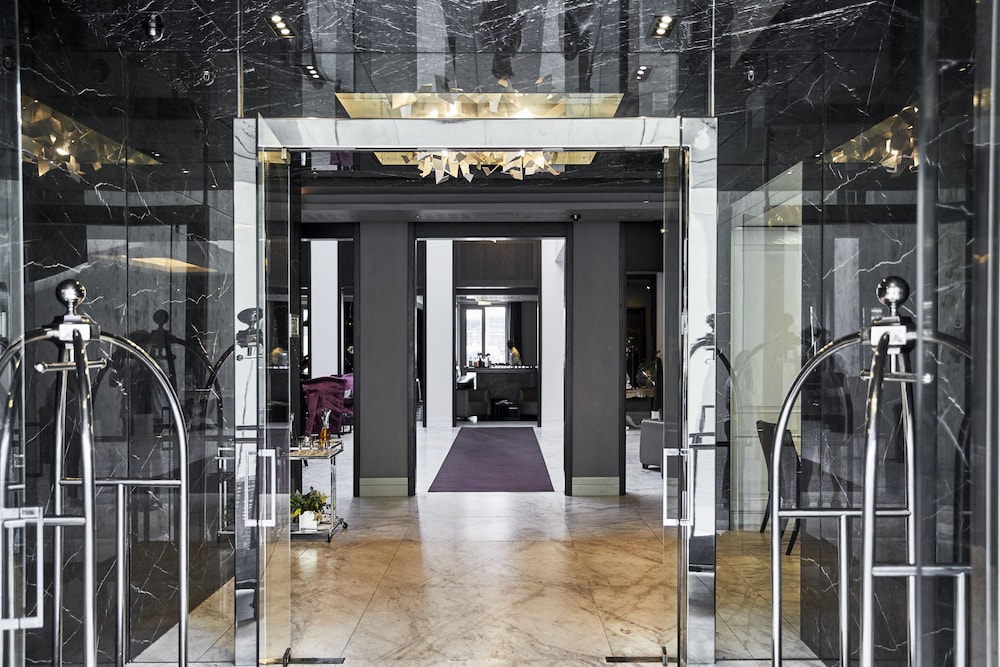
Guesthouses in converted Victorian houses in Green Point, Gardens and Observatory are charming and almost always have a stoep with steps and narrow interior doors. Purpose-built apartment blocks and the larger hotels around the Waterfront, Green Point and the Foreshore are duller and far more likely to deliver a genuine level entrance, a lift with backup power and a bathroom you can turn in. If a property cannot answer the door-width question in centimetres within a day, book elsewhere.
Day trips, wine estates and eating out
The winelands are surprisingly good ground. Many large Stellenbosch and Franschhoek estates were rebuilt in the last two decades with level tasting rooms, accessible toilets and hard-surfaced courtyards, and the drive is 45-60 minutes from the city on good roads. Call ahead: the historic Cape Dutch manor houses have stoeps and thresholds, while the modern cellar-door buildings are usually step-free. Skip the Franschhoek Wine Tram, whose tram and tractor-trailer boarding is a real barrier, and hire a driver with a suitable vehicle for the day instead.
Restaurants are the daily friction. The Waterfront, the Sea Point promenade cafes and the newer Bree Street and Woodstock warehouse conversions tend to be level; Kloof Street's converted houses and Kalk Bay's shopfronts tend not to be. Phone rather than email, ask about the step at the door and the toilet on the same floor, and book early sittings when staff have time to move furniture. Accessible public toilets are reliable at Kirstenbosch, the V&A, the larger malls in Claremont and Century City, and Cape Point, and unreliable almost everywhere else.
Before you book
The questions people ask about Cape Town, answered with this month’s numbers.
A small number of specialist operators run wheelchair-accessible vans with ramps or lifts, and demand outstrips supply in December and January. Book six to eight weeks ahead, confirm ramp versus lift and the securing system for your chair, and get the quote in rand per day including driver, since self-drive conversions are rare.
Scheduled outages knock out lifts, some automatic doors and card machines. Ask every hotel, restaurant and attraction whether their lift runs on backup power. Download a load-shedding schedule app, keep power-chair batteries charged overnight, and carry cash, because a payment terminal without power will not take your card.
No practical alternative exists for wheelchair users, since every summit path involves rock steps. The cableway closes for high wind, most often in spring and summer southeasters, sometimes at short notice. Keep two mornings free for it, check the operator's wind status the night before and again at breakfast, and book the first cars of the day.