Cape Town's wind season: how to plan around the southeaster
 Cloud pouring over the edge of Table Mountain in a strong southeast wind
From November to February the southeaster blows on roughly one summer day in three, with gusts past 60 km/h — here is how to keep the trip working when it does.
What it is and when it blows
The southeaster is a strong, dry, persistent wind that pushes up the peninsula from the southeast through the warm months, peaking from November to February and easing through March. Locals call it the Cape Doctor because it scours the city clean, and they are not being ironic — it also flattens umbrellas, strips beach towels off the sand and shuts things down. A moderate day gusts 40-55 km/h. A serious one runs past 70 km/h on the exposed ridges, and it can hold for three days without a break before collapsing overnight.
It is not constant. A typical summer fortnight delivers four or five properly windy days, several breezy afternoons and a handful of glass-calm ones. That is why the wind is a planning problem rather than a reason to avoid summer: you cannot dodge it by picking dates, only by keeping your itinerary loose enough to reorder. The single most useful habit is checking a wind forecast the night before and deciding tomorrow's plan then, rather than booking everything the week before you arrive.
Reading the day: mornings are the currency
The southeaster has a daily rhythm. It typically softens overnight and through the first hours after sunrise, builds from late morning, and peaks mid to late afternoon before easing again after dark. That single fact should shape every summer day here. Hikes on Platteklip Gorge, Lion's Head, Kasteelspoort or the Pipe Track want a 06:00-07:00 start, both for the wind and for the heat. Cape Point, Boulders and Chapman's Peak are calmer and emptier before 09:30. Long beach afternoons at Clifton are the thing that gets sacrificed, not the mountain.
The visual cue is the tablecloth: when white cloud pours over the front edge of Table Mountain and shreds away halfway down, the southeaster is running hard, and the summit will be in cloud even if the city is sunny. That cloud usually means the cableway is either closed or about to be. If you see it forming while you queue at Tafelberg Road, walk away and come back on a clear morning — the ticket operator publishes a daily operating status, and it is worth checking before you drive up rather than after.
The wind-shelter map
Not all of the coast gets hit equally. The four coves at Clifton, tucked under Lion's Head with granite boulders between them, are the classic southeaster refuge and stay swimmable when Camps Bay two minutes north is a sandblasting. Llandudno often takes the edge off it too. Hout Bay harbour and the beach are exposed; Cape Point is punishing; the Sea Point promenade is a wind tunnel that is nonetheless a fine bracing walk if you accept what you are getting. In False Bay, the small sheltered coves at Boulders and the tidal pools at St James, Dalebrook and Kalk Bay hold calm water when the open beaches do not.
Inland is the other escape. Constantia, Newlands and the Winelands valleys around Stellenbosch, Paarl and Franschhoek sit far enough behind the mountain chain that a summer southeaster arrives as a warm breeze rather than a gale — a wine estate lunch under oaks is the standard local answer to a howling Tuesday. Kirstenbosch is a mixed case: sheltered in places, funnelled in others, but always cooler and more pleasant than the Atlantic seaboard on a wind day. Company's Garden, the Bo-Kaap streets and the Woodstock and Salt River galleries all work fine.
What gets cancelled
Four things reliably fail in strong wind. The Table Mountain cableway suspends operations on high wind and low cloud, sometimes for consecutive days. Robben Island ferries from the V&A Waterfront cancel on wind and swell, often at short notice, and refunds and rebooking rules are the operator's — book the earliest sailing available and keep the day flexible. Boat trips out of Hout Bay to Duiker Island and cruises from Simon's Town are called off on rough water. Paragliding from Signal Hill needs a specific light wind direction and is grounded far more often than visitors expect.
Plan accordingly: never make the cableway or Robben Island the only fixed item on your last day. Buy the cableway ticket online for the first genuinely clear morning of your stay, and treat every other outdoor set-piece as movable. Wind also affects outdoor dining more than restaurants admit — Camps Bay terraces and Sea Point pavement tables become unusable, while the sheltered quays and courtyards at the Waterfront, the Bo-Kaap and the enclosed inner courtyards on Bree and Loop Streets carry on as normal.
Where the wind is the whole point
Kitesurfers and windsurfers time entire holidays around exactly the conditions that ruin everyone else's beach day. Blouberg and Table View across the bay, with their postcard view back to Table Mountain, are among the world's best-known summer kite spots, and the November-to-February southeaster is the reason. Big-air kiting competitions have historically been staged in Cape Town in the summer window when the wind is most reliable; dates move with conditions, so confirm any event with the organisers rather than assuming. Langebaan lagoon, about 90 minutes north on the R27, offers flat water for beginners with schools running lessons through summer.
The other silver lining is air quality and light. A southeaster day is typically cloudless, dry and startlingly clear, which is why photographers work Signal Hill, Bloubergstrand and the Boyes Drive lookouts above Kalk Bay on exactly those afternoons. Sunsets are cleaner, distant peaks in the Hottentots Holland are sharply visible, and the mountain glows once the cloud strips off at dusk. It is also the least likely day of the year to be rained on, since summer here is functionally dry.
Choosing a room in wind season
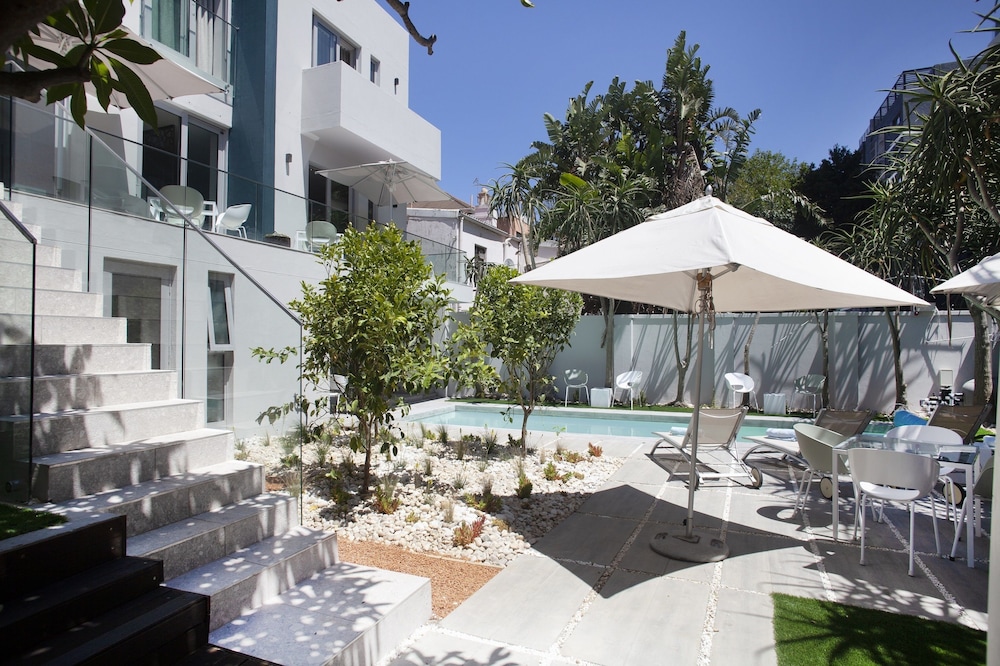
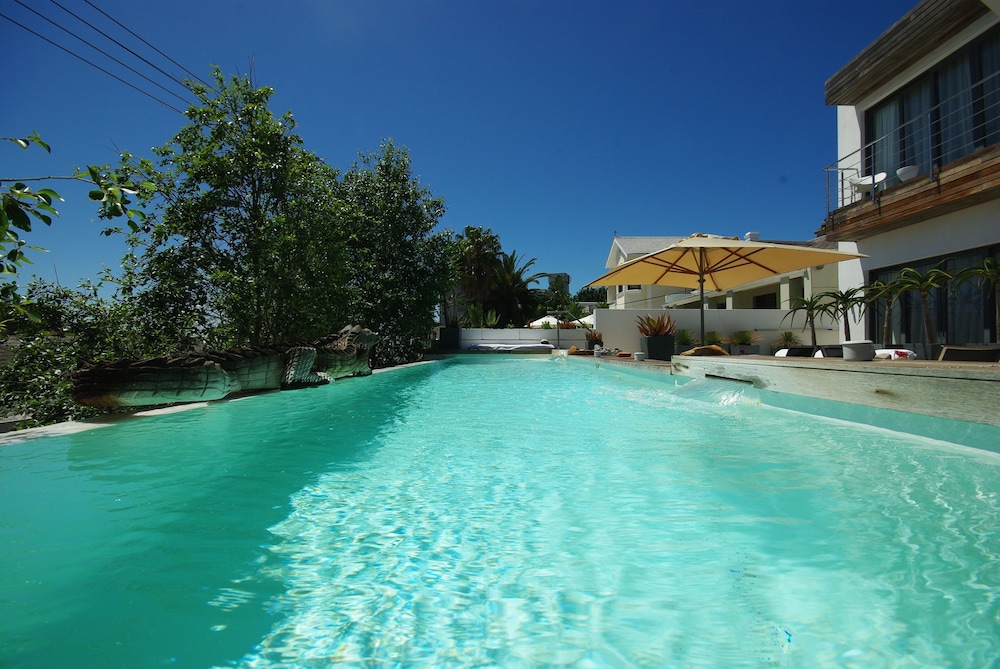
The rooms that suffer are the ones with the best views: high, exposed Atlantic seaboard terraces above Camps Bay and Bantry Bay catch the wind squarely, and a pool deck without a glass windbreak is decorative rather than usable on a blowing day. If you are booking summer, ask directly whether the pool area is sheltered and whether the balcony faces southeast. Courtyard rooms and lower floors trade the view for a usable outdoor table. In the City Bowl, properties on the mountain side of Kloof Street sit in a gustier band than those down towards the Company's Garden.
Neighbourhood matters more than star rating here. Sea Point and Green Point are windy but walkable, so a wind day still delivers dinner without driving. The False Bay villages of Muizenberg, Kalk Bay and Simon's Town enjoy different exposure and warmer water, with an indoor fallback of galleries, bookshops and harbour seafood. Constantia is the calmest base of the lot but requires a car for everything. Summer rates run roughly R2,200-3,800 for a good Sea Point double in January, against R3,500-7,000 in Camps Bay for a comparable room with more wind.
The winter opposite, and when to come if wind ruins your holiday
Winter reverses the pattern. From June to August the dominant wind is the northwester, arriving with cold fronts and rain from the Atlantic. It hammers the west-facing coast at Sea Point, Camps Bay and Hout Bay while False Bay's western shore is relatively sheltered, which is why Muizenberg, Kalk Bay and Simon's Town read as the more pleasant side of the peninsula in July. Northwesters come with genuine storm swell that closes ferries and coastal roads occasionally, and they blow in bursts of one to three days between calm, bright winter spells.
If you want the lowest wind risk of the year, come in March or April. Late summer heat lingers, the southeaster season is winding down, the sea is at its warmest and settled clear days are common. May is a further step calmer but the first fronts arrive. What you should not do is skip December and January on the strength of the wind alone — those are the driest, longest, warmest days of the Cape year, and a flexible itinerary handles the gusty third of them without much loss.
Before you book
The questions people ask about Sea Point, answered with this month’s numbers.
Check the cableway's own daily operating status, published each morning, and look at a wind forecast for the summit rather than the city — the mountain top is far windier. Cloud pouring over the front edge means closure is likely. Buy a timed online ticket only once you have a clear morning in hand, and keep the mountain unfixed until then.
Clifton, and specifically the coves rather than the open sand — the granite boulders and the mass of Lion's Head give real shelter that Camps Bay does not. On the False Bay side, the tidal pools at St James, Dalebrook and Kalk Bay stay usable. If gusts are past 60 km/h, go inland to Constantia or the Winelands instead and write off the coast for the day.
Rarely. The southeaster usually eases overnight and in the early morning, builds from late morning, and peaks in the mid to late afternoon. Front-load anything outdoors: hikes, Cape Point, Boulders and the cableway all before 10:00, then move to sheltered indoor or inland plans for the afternoon.
March and April are the calmest warm months, with the southeaster season fading and the sea still warm. May is quieter again but brings the first winter fronts. Avoid planning a wind-free trip for November or December, which are statistically among the breeziest months on the peninsula.