Cape Town Neighbourhoods Compared: Where First-Time Bookers Should Stay
 Cape Town Neighbourhoods Compared: Where First-Time Bookers Should Stay
A practical comparison of the City Bowl, Atlantic Seaboard, southern suburbs and V&A Waterfront — with drive times, price bands and the areas I would skip on a first visit.
City Bowl: The Default for First-Time Bookers
The City Bowl wraps around the foot of Table Mountain and takes in the CBD, Gardens, Tamboerskloof, Oranjezicht and Bo-Kaap. It is the most practical base for a first trip because most of the classic sights sit within a short drive: the Table Mountain Aerial Cableway upper station at Tafelberg Road, the Company's Garden, the Iziko South African Museum and the Bo-Kaap Museum on Wale Street. Expect mid-range double rooms roughly in the R1,800–R3,200 band per night in high season, less in June and July.
Kloof Street and Bree Street carry most of the restaurants and coffee bars, and the walk down to the V&A Waterfront takes about 35 minutes or a short ride. Traffic on the Nelson Mandela Boulevard approach from the airport can be slow between 07:00 and 09:00; allow 30–40 minutes by car from Cape Town International. I would book here if you want to walk to dinner and keep taxi rides short, and skip it if you need a pool and sea view from your room.
Atlantic Seaboard: Sea Views and Higher Rates
The Atlantic Seaboard runs from the V&A Waterfront through Green Point, Mouille Point, Sea Point, Bantry Bay, Clifton and Camps Bay. It faces the cold Atlantic, so water temperatures sit around 14–18°C even in February, and the afternoon wind picks up through December and January. The Sea Point Promenade is a flat, paved walk of roughly 5 km between the Mouille Point lighthouse and Bantry Bay, popular with runners and families in the early morning.
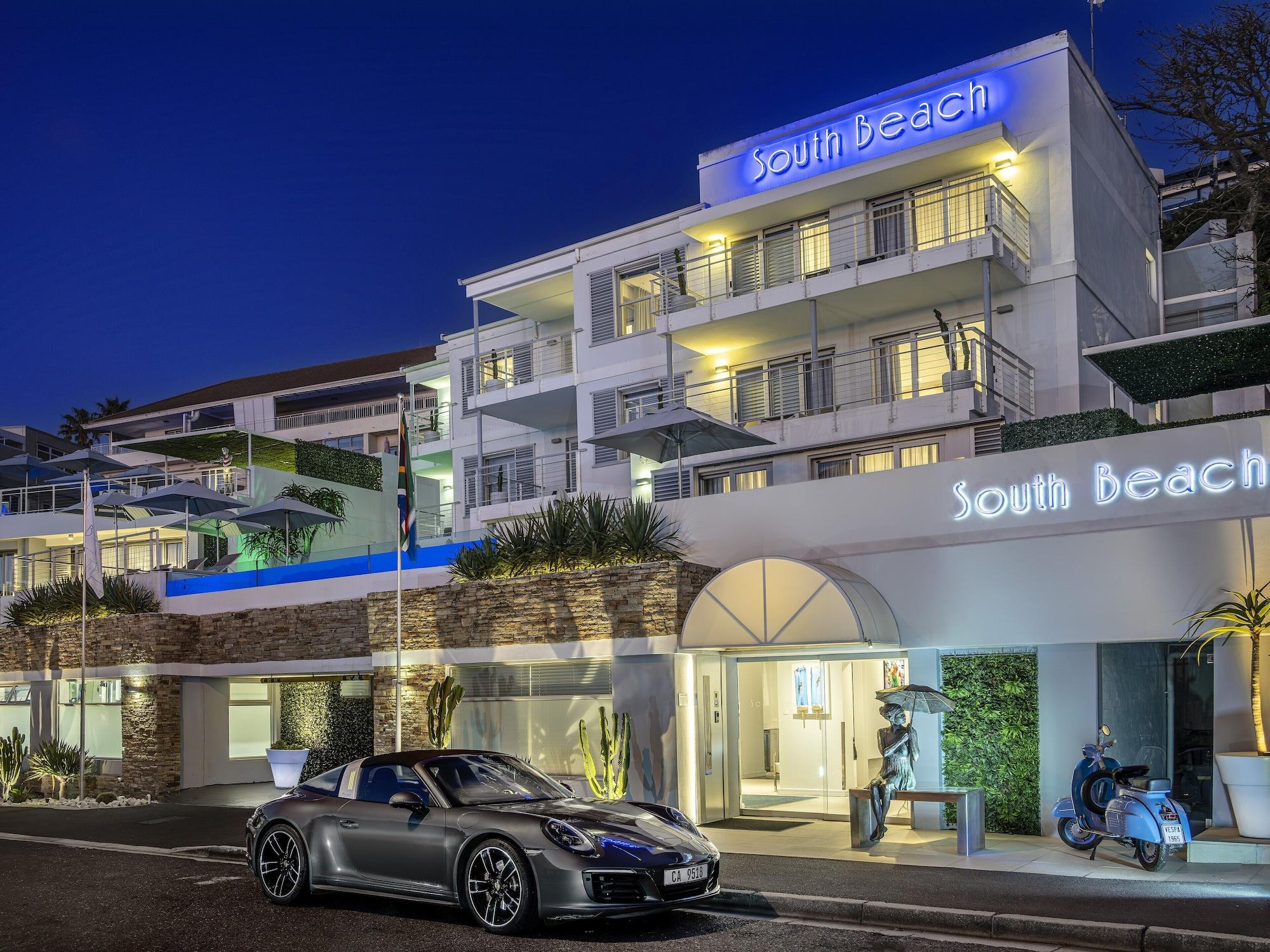
Rates climb quickly: expect roughly R2,500–R5,000 and up for a sea-facing double in Camps Bay in peak season, with Clifton among the most expensive pockets in the city. Camp's Bay beach is a five-minute walk from most of the guesthouses, and the drive to the city centre takes 15–20 minutes outside rush hour. I would book Sea Point for value and walkability, Camps Bay for the beach, and skip Clifton unless the view is the whole point of the trip.
Southern Suburbs: Green, Quiet and Car-Dependent
The southern suburbs — Rondebosch, Newlands, Claremont, Constantia and Tokai — sit behind Table Mountain and are greener, cooler and noticeably quieter than the coast. Newlands is the closest base to Kirstenbosch National Botanical Garden, about 10 minutes by car, and to the Newlands rugby and cricket grounds. Constantia's wine estates along Constantia Main Road and Klein Constantia Road are 15–20 minutes from Claremont by car. Rooms here often run R1,400–R2,600 for a double, and self-catering cottages are common.
The trade-off is transport. The Southern Line metro runs from Cape Town station through Rondebosch, Newlands and Claremont, but services are infrequent outside peak hours, and most visitors end up driving or using ride-hailing apps. Parking in Claremont is tight on weekdays. I would book here for a family stay of a week or more, or if you plan to spend days in Constantia and Kirstenbosch, and skip it if you want to be on foot in the evenings.
Waterfront and Woodstock: Convenience Versus Character
The V&A Waterfront is a self-contained precinct of hotels, restaurants and the Zeitz MOCAA contemporary art museum, with the Table Mountain cableway about 15 minutes away by car and the airport roughly 25 minutes on the N2. It is the easiest base for anyone arriving late or travelling with children, but it is also the least like a residential neighbourhood: rates for a mid-range double typically start around R3,000 in December and drop in the winter months.
Woodstock and Salt River, just to the east, have become a base for smaller guesthouses and design-led apartments, with the Old Biscuit Mill on Albert Road hosting a Saturday market. Distances are short — about 10 minutes to the city centre — but I would check the immediate street and avoid walking after dark. I would book the Waterfront for a first night and move on, and choose Woodstock only if you want a cheaper, more local stay and are comfortable using taxis.
When to Go and What to Skip
Peak season runs from mid-December to early January, when accommodation prices roughly double and beaches at Camps Bay and Clifton fill early; February and March are warm, drier and calmer, and rates ease. Winter, June to August, brings rain and wind but the lowest room rates and the best whale-watching from the False Bay side of the peninsula, around Hermanus — a side trip of roughly two hours by road, not a base for a Cape Town holiday.
Skip the far northern suburbs and the area around the Grand Parade for a first booking; they are convenient for the station but not for sightseeing. Also skip splitting a short trip between two neighbourhoods — the drives look short on a map and are not in traffic. One base in the City Bowl or Sea Point, with a single night at the Waterfront at the end, covers most first visits without wasted time.
Related articles
Before you book
The questions people ask about Cape Town, answered with this month’s numbers.
The City Bowl, specifically Gardens or Tamboerskloof, is the most practical base. Most major sights — Table Mountain, the Company's Garden, Bo-Kaap — are within 10–15 minutes by car, and Kloof Street puts restaurants within walking distance. Sea Point suits travellers who prefer the promenade and sea air.
In peak season from mid-December to early January, mid-range doubles in the City Bowl generally run about R1,800–R3,200 per night, while sea-facing rooms in Camps Bay and Clifton can start around R2,500–R5,000. Winter rates from June to August are noticeably lower. Always confirm the total with taxes before booking.
It is the most convenient base for families and late arrivals, with restaurants, the Zeitz MOCAA museum and shops on the doorstep, and the airport about 25 minutes away on the N2. It feels less like a neighbourhood, though, and rates are among the highest in the city.
Not necessarily. Ride-hailing apps are widely used and inexpensive for short trips, and the City Bowl and Sea Point are walkable for meals. A car helps for day trips to Constantia, Kirstenbosch or the Cape Peninsula, but parking in Claremont and the city centre can be tight on weekdays.
Allow 30–40 minutes by car to the City Bowl or V&A Waterfront via the N2, longer between 07:00 and 09:00 and again in the late afternoon. The drive to Camps Bay takes roughly 35–45 minutes outside rush hour. Metered taxis and ride-hailing are both available at the terminal.
February and March are usually warm, drier and less windy than December and January, and room rates ease after the festive peak. September and October are shoulder months with mild days. June to August is the wet, windy winter, but it brings the lowest rates and fewer crowds at Kirstenbosch and the cableway.
Newlands or Claremont in the southern suburbs puts Kirstenbosch about 10 minutes away by car and Constantia's estates 15–20 minutes beyond that. It suits families and longer stays, but you will rely on a car or ride-hailing in the evenings rather than walking to dinner.
The far northern suburbs and the streets immediately around the Grand Parade are convenient for the station but not for sightseeing. I would also skip Woodstock unless you are comfortable using taxis after dark, and avoid splitting a short trip between several neighbourhoods — traffic makes the drives longer than the map suggests.