Cape Town in June: Winter Rates and Quiet Coastal Walks
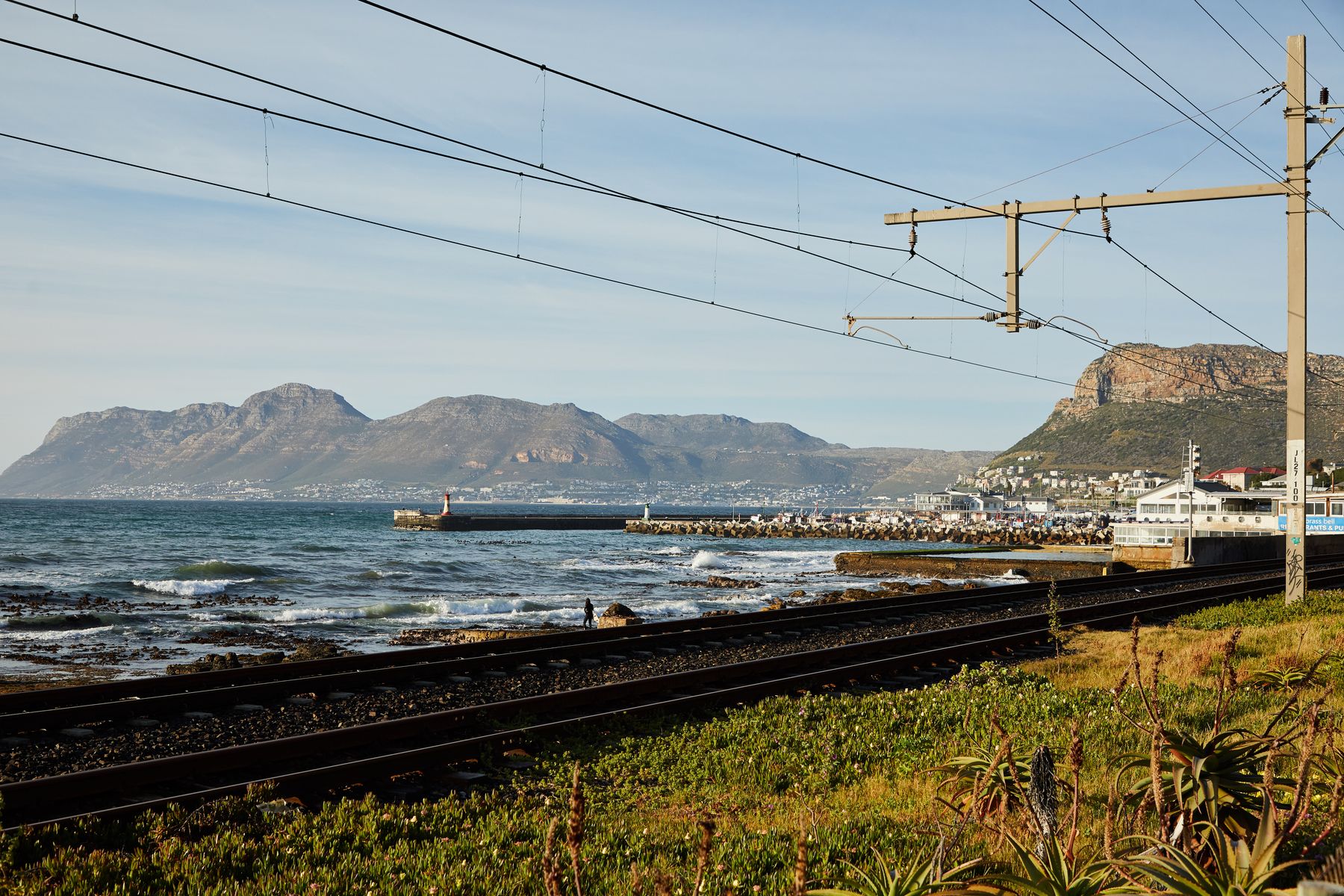 Cape Town in June: Winter Rates and Quiet Coastal Walks
June brings cooler weather and smaller crowds to Cape Town, making it a smart month for budget-conscious travellers who prefer peaceful coastal strolls over peak-season bustle.
Why June Works for a Cape Town Visit
June falls in Cape Town's winter, with average daytime temperatures around 7–17°C (45–63°F) and frequent rain, especially in the first half of the month. The upside is that hotel rates drop significantly compared to the December peak, often by 30–50 percent. You will find more availability in popular areas like the City Bowl, Sea Point, and Green Point, and can often book a higher-standard room for the same budget. Just pack layers, a waterproof jacket, and an umbrella.
The city is quieter, which means shorter queues at attractions like the Table Mountain Aerial Cableway (weather permitting) and the V&A Waterfront. Many restaurants and bars run winter specials, though some may have reduced hours. It is a good time for museum visits—the Zeitz MOCAA and the Iziko South African Museum are excellent rainy-day options—and for exploring the Cape Winelands, about a 45-minute drive from the city centre, where winter is pruning season and rates are lower.
Coastal Walks Without the Crowds
The Atlantic seaboard offers some of the best winter walks, provided you check the weather. The Sea Point Promenade stretches about 4 kilometres from the Mouille Point Lighthouse to Saunders' Rocks, and on clear days you will see locals jogging and dog-walkers, but far fewer tourists than in summer. The path is paved and mostly flat, suitable for all ages. Another favourite is the circular walk around the Green Point Urban Park, which is sheltered and has benches and cafés.
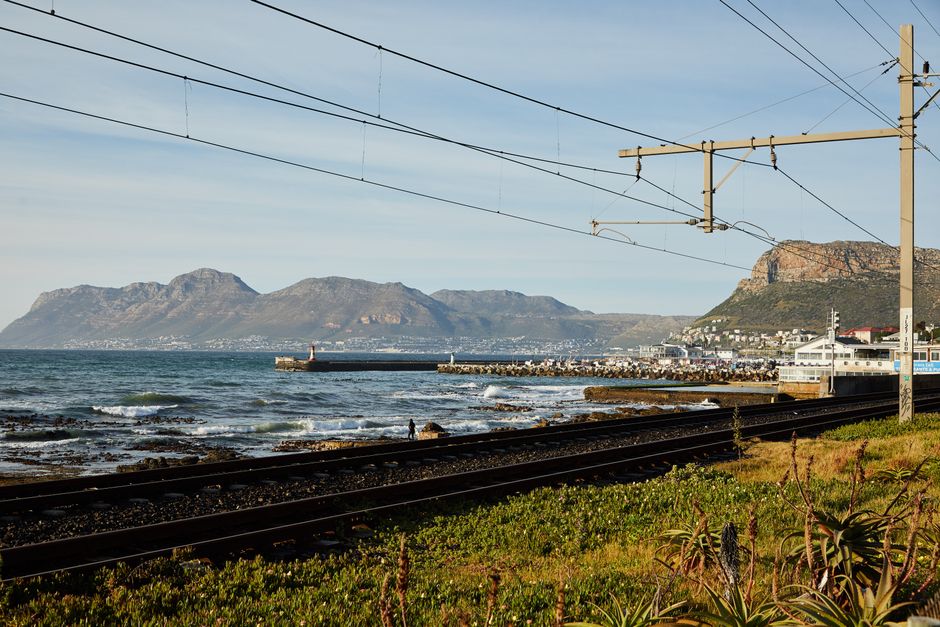
For a more dramatic setting, head to the False Bay coast and walk the Hoek van Bobbejaan trail near Simon's Town, a 2.5-kilometre route with views of the bay and sometimes whales (June is still calving season). The path can be muddy after rain, so wear sturdy shoes. Closer to the city, the Pipe Track above Camps Bay offers a moderate hike with ocean views, but it is exposed—save it for a dry day. Always carry water and a windproof layer.
Where to Stay and How to Save
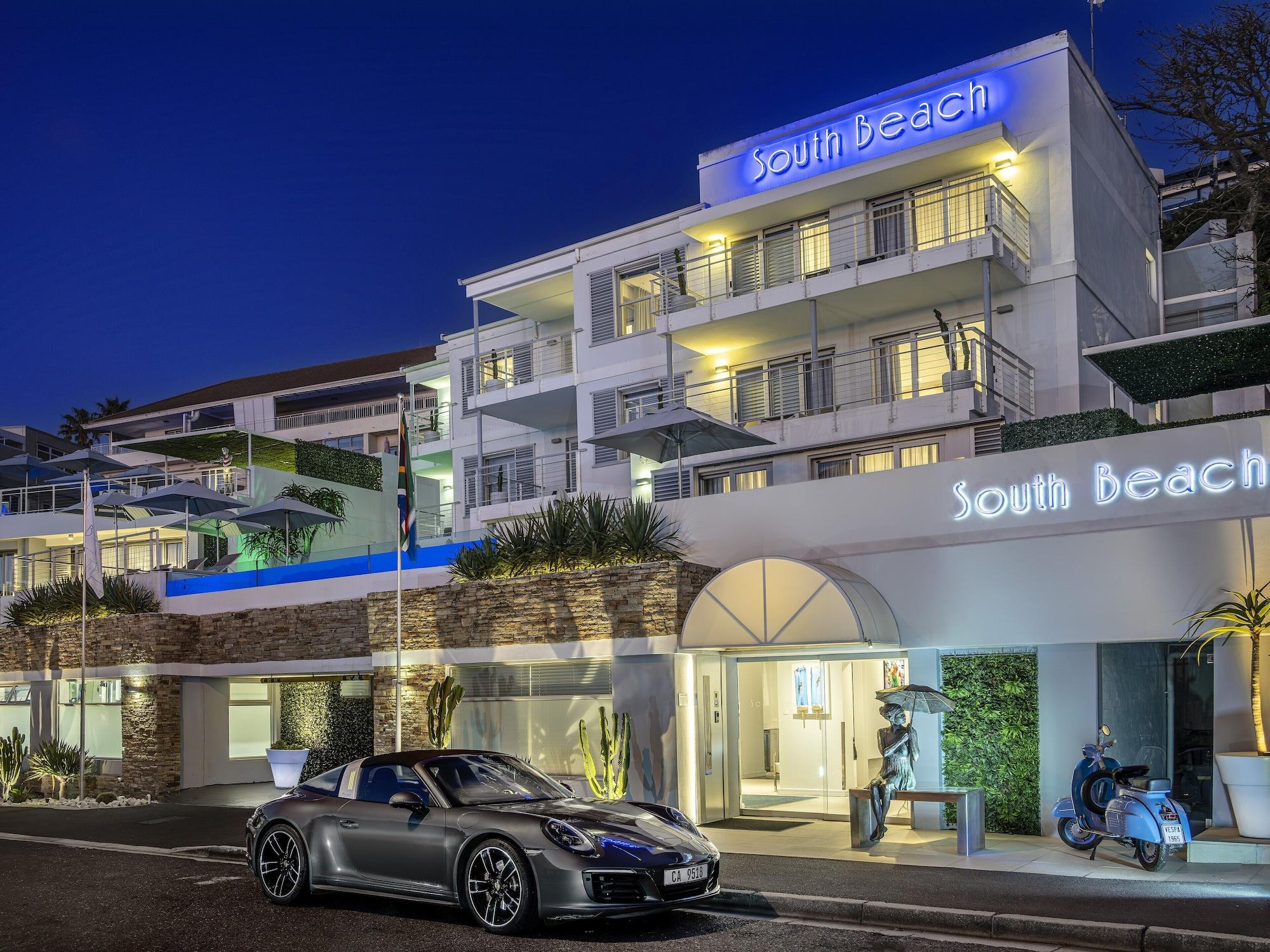
For coastal walks, base yourself in Sea Point or Green Point. These areas have a range of self-catering apartments and guesthouses, with winter rates from around R800–R1,500 per night for a double room, depending on the property. They are well-connected by the MyCiTi bus service and offer easy access to the promenade. The City Bowl, including Gardens and Tamboerskloof, is also convenient for museums and restaurants, with similar price bands and more nightlife.
Booking directly with hotels or via a local partner can sometimes unlock additional winter promotions. Look for packages that include breakfast or a late checkout, as these add value without inflating the room rate. Avoid the V&A Waterfront if you are on a tight budget—it is convenient but pricier. Instead, consider Woodstock or Observatory for budget options, though these are less walkable to the coast. For families, Camps Bay has larger apartments but higher prices.
Practical Tips for a Smooth Trip
Public transport in Cape Town is limited, so renting a car gives you flexibility for coastal walks and wine tasting. A compact car might cost around R400–R600 per day in winter, excluding fuel. Alternatively, use ride-hailing services for short trips; a ride from the city centre to Sea Point costs roughly R80–R120. The MyCiTi bus is reliable and cheap, with a rechargeable card, but routes are limited to main corridors.
June is low season for tourism, so you can often decide on activities a day ahead. Check the weather forecast each morning and plan indoor activities for rainy days. Table Mountain frequently closes due to high winds, so have a backup like the Kirstenbosch Botanical Garden (a 20-minute drive from the city centre) or a wine tram in Franschhoek (about an hour's drive). Book popular restaurants in advance for weekends, as locals still go out despite the weather.
Before you book
The questions people ask about Cape Town, answered with this month’s numbers.
Yes, if you don't mind cooler, wetter weather. Hotel rates are lower, crowds are thinner, and you can still enjoy coastal walks on dry days. It's ideal for budget travellers and those seeking a quieter experience.
Expect average highs of 17°C (63°F) and lows of 7°C (45°F), with about 10 rainy days. Pack layers, a waterproof jacket, and an umbrella. Some days are sunny and mild, perfect for walks.
Yes, winter rates are typically 30–50% lower than in December. You can find double rooms in Sea Point or the City Bowl from around R800–R1,500 per night, depending on the property and amenities.
The Sea Point Promenade and Green Point Urban Park are paved and easy. For a wilder walk, try Hoek van Bobbejaan near Simon's Town, but check tides and weather. Avoid exposed hikes like the Pipe Track on windy days.
A car is useful for exploring coastal walks and the Winelands, especially in winter when some buses run less frequently. Renting a compact car costs about R400–R600 per day. Ride-hailing apps are also convenient for short trips.
Bring layers, a waterproof jacket, sturdy walking shoes, an umbrella, and sunglasses for sunny spells. Evenings can be chilly, so a warm sweater is essential. Don't forget a reusable water bottle for walks.
Yes, most restaurants are open, though some may have reduced hours. Many offer winter specials. It's still wise to book ahead for weekend dinners, especially in popular areas like the City Bowl and Sea Point.
The cableway operates weather permitting, but closures are common due to high winds. Check the website on the day. Alternatives include Kirstenbosch Botanical Garden and the Iziko South African Museum.