Cape Town for a Working Week: Neighbourhoods with Calm Evenings
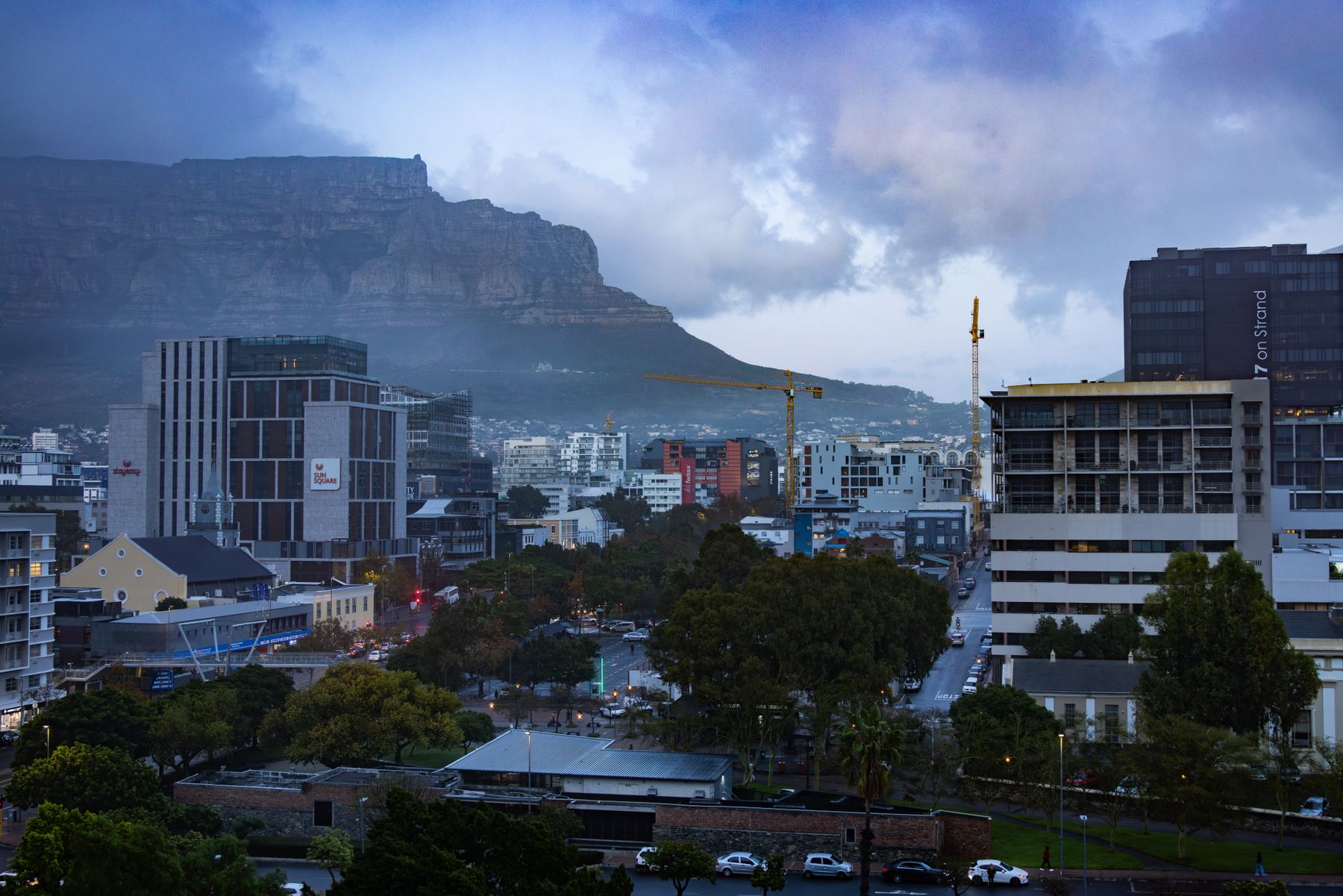 Cape Town for a Working Week: Neighbourhoods with Calm Evenings
Where to base yourself in Cape Town when the days are for calls and the evenings need to stay quiet, from Sea Point to the southern suburbs.
City Bowl: walkable, but ask about the street
The City Bowl puts you within walking distance of the CTICC, the offices along Bree and Loop streets, and most of the meeting rooms a business trip tends to involve. Gardens and Tamboerskloof are the calmest pockets: tree-lined, residential, five to ten minutes by car from the convention centre, and quiet after about nine in the evening. Oranjezicht, up against the mountain, is quieter still. Long Street and the lower CBD are the opposite — busy, loud until the early hours, and not where I would book if sleep matters before an early call.
Business hotels cluster around the foreshore near the Cape Town International Convention Centre, while guesthouses in Gardens and Oranjezicht give you a garden, a quieter street and a five-minute walk to Kloof Street restaurants. Ask specifically whether the room faces the street. A room on a Kloof Street frontage can carry bar noise on Thursday to Saturday, and buildings on the Buitengracht side pick up traffic from the morning commute. Parking in the Bowl is tight; confirm a bay before you book if you are hiring a car.
Sea Point and Green Point: sea air, steady tempo
The Atlantic Seaboard's first two suburbs suit a working week well. Sea Point runs along the promenade from the Pavilion to Bantry Bay, with a supermarket, pharmacy and gyms within a few blocks of most apartments. Green Point sits behind the stadium, closer to the city, and a walk to the V&A Waterfront takes twenty-five minutes along the coast. Both are residential enough that evenings are quiet by ten. The main noise sources are the Main Road traffic and, in Green Point, event nights at Cape Town Stadium — check the fixture list if you are staying within earshot.
Commuting into the CBD from here is short: ten to fifteen minutes by car outside peak, twenty-five to thirty-five in the morning rush, or a MyCiTi bus from the Sea Point stations along Main Road. I would choose Sea Point over Green Point for a week of early starts: the promenade gives you a five-kilometre flat walk before work, and the side streets off the seafront stay quieter at night than the blocks around the stadium. Self-catering apartments dominate here; hotel stock is thinner and books out in December and January.
Southern Suburbs: the quiet option
Rondebosch, Newlands and Claremont sit under Table Mountain's eastern slopes, twenty to thirty minutes by car from the CBD outside rush hour — allow forty-five in the morning peak. This is where you go if evenings genuinely need to be calm. Newlands in particular is village-like: a few restaurants, the sports grounds, and streets that empty after dark. The trade-off is that you need a car, or a willingness to use ride-hailing, for anything beyond dinner. The Metrorail southern line runs from Claremont and Rondebosch to the city, but I would not rely on it for a tight schedule.
Rates here are generally lower than the Atlantic Seaboard for more space, and guesthouses in Newlands and Rondebosch often include parking and breakfast. February and March are the steadiest months weather-wise, with less wind than midsummer. If your meetings are at the university or the hospitals in Observatory and Mowbray, this is the obvious base. If they are at the V&A or the CTICC, the commute will wear on you by Wednesday. I would book Newlands for a relaxed week and Sea Point for a mixed one.
Waterfront and Woodstock: what to weigh up
The V&A Waterfront is convenient and entirely self-contained: hotels, restaurants, the clock tower, and a ten-minute drive to the CBD. Evenings are busy but not raucous, and you can walk to dinner without thinking about transport. The catch is that you are in a retail complex rather than a neighbourhood, and prices reflect that. Woodstock, just inland, has become a design and coffee quarter along Albert Road and Sir Lowry Road, with converted warehouses and a handful of good small hotels. It is livelier and grittier, and I would not walk there after dark alone; take a car after about seven.
For a working week I would book the Waterfront if the trip includes colleagues or a partner and you want everything on foot, and Woodstock if you are solo, want character and are comfortable using ride-hailing in the evening. Skip the lower CBD guesthouses that advertise cheap rates on Long Street if quiet is the point of the trip. Wherever you land, confirm whether the building has a generator or inverter — load-shedding schedules change, and a hotel that keeps the lights and Wi-Fi on makes a working week far easier.
Related articles
Before you book
The questions people ask about Cape Town, answered with this month’s numbers.
Newlands and Rondebosch in the southern suburbs are the most consistently quiet, with residential streets and few late venues. In the City Bowl, Oranjezicht and Tamboerskloof are calm; avoid the lower CBD and Long Street if you need early nights.
Ten to fifteen minutes by car outside peak hours, and twenty-five to thirty-five minutes in the morning rush. The MyCiTi bus along Main Road is a reliable alternative and avoids parking in the Bowl altogether.
Not if you stay in the City Bowl, Green Point or the Waterfront, where ride-hailing is cheap and quick. A car helps in the southern suburbs, where evenings are quieter but distances to restaurants and meetings are longer.
February and March offer settled weather with less wind than December and January, and hotel rates ease after the January peak. May is mild and quiet but wetter; September is changeable but uncrowded.
Yes for convenience: hotels, restaurants and the CTICC are close, and everything is walkable in the evening. It feels like a complex rather than a neighbourhood, and rates are higher than equivalent rooms in Gardens or Sea Point.
Ask about backup power for load-shedding, in-room desk space, and whether Wi-Fi reaches the rooms rather than just the lobby. Also confirm street-facing versus courtyard rooms if the property sits on a busy road.
About twenty minutes to the Waterfront and City Bowl outside peak traffic, and thirty to forty minutes to Newlands or Rondebosch. Allow an hour in the evening rush on the N2.
Sea Point for a mix of sea air, walkability and a short commute, or Gardens if meetings are in the CBD. Both keep evenings calm without isolating you from dinner options.