The Wellstead
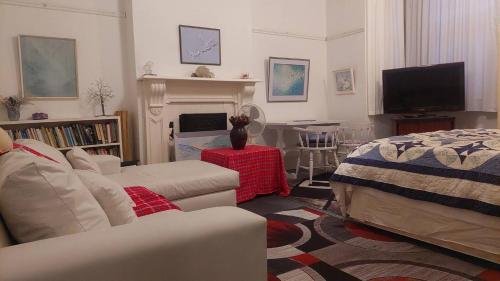
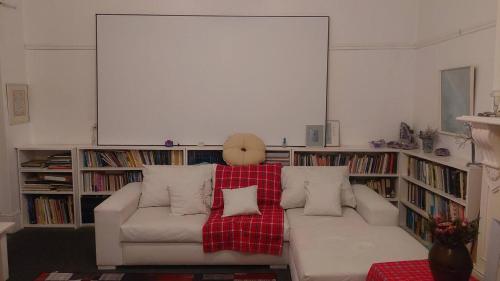
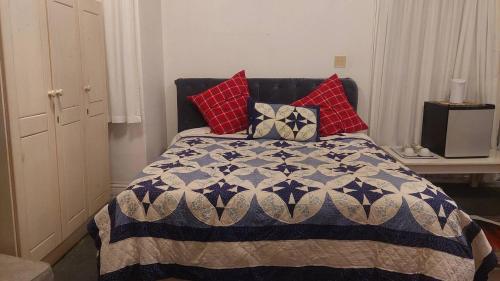
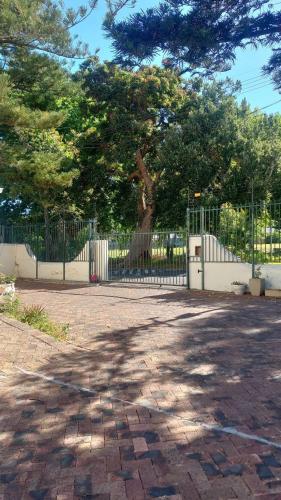

About this stay
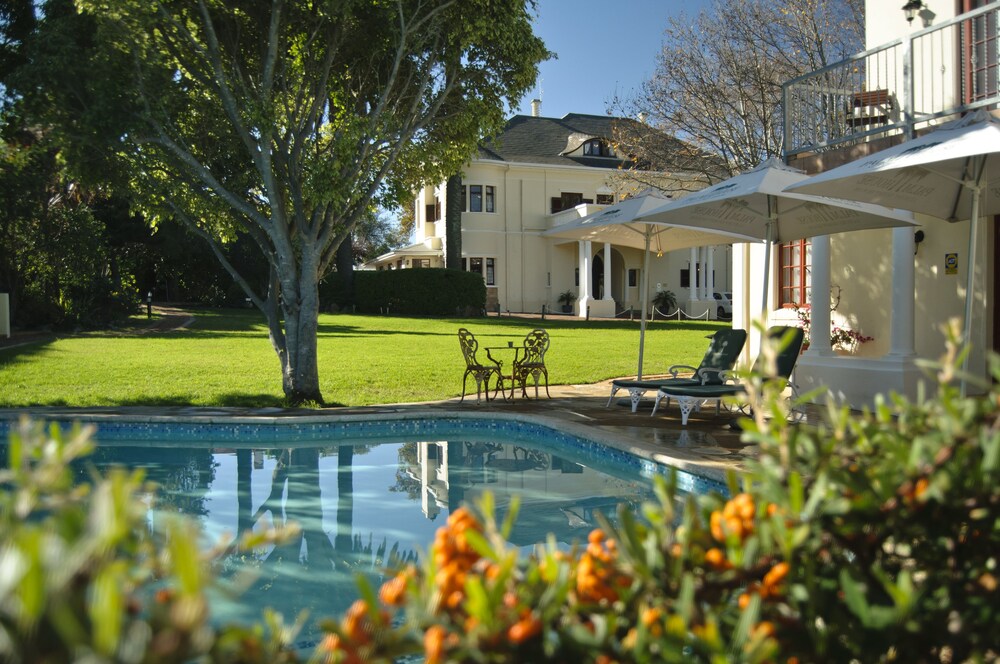
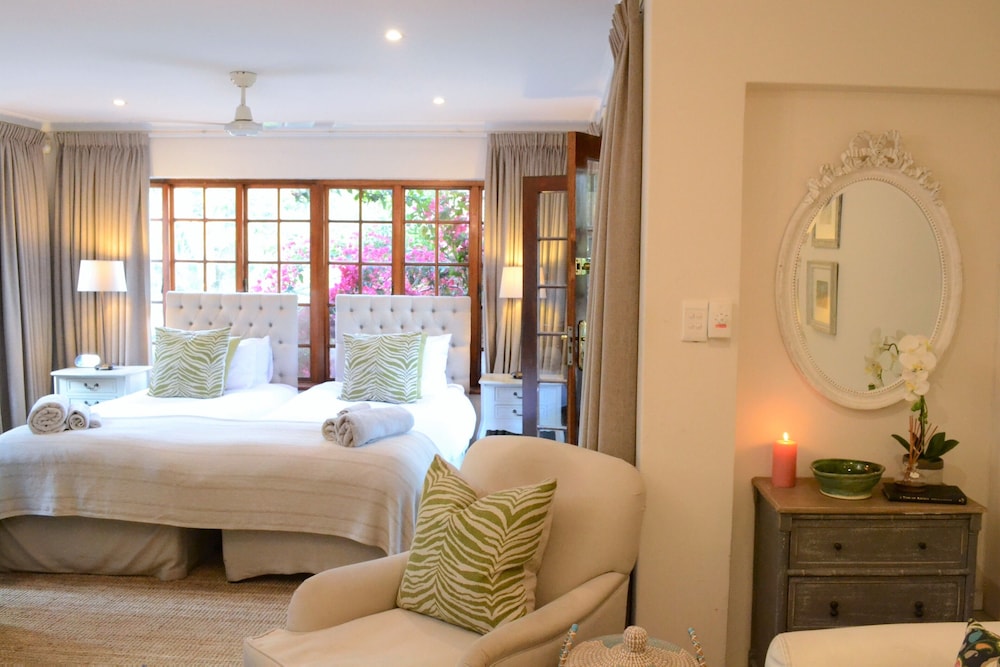
The Wellstead is a hotel in Wynberg, Cape Town.
For a cheaper night in Cape Town, The Wellstead in Wynberg keeps costs down while staying within reach of central Wynberg.
Book The Wellstead through app.impt.io at the same live rate you would find anywhere else, with free cancellation on most rooms. Every completed booking funds one verified tonne of carbon removal — paid from the standard commission the hotel already covers, never added to your bill.
Facilities
- Bath
- Bathroom
- Carpeted
- Cleaning
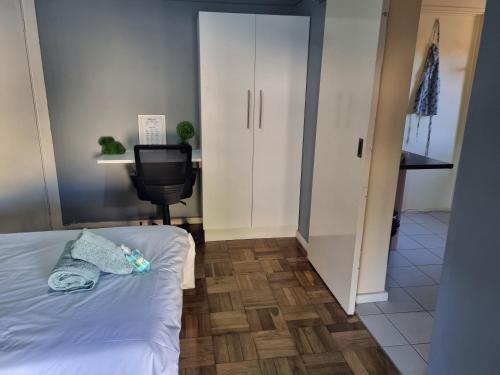
- Desk
- Fan
- First aid
- Free Wifi
- Free car parking
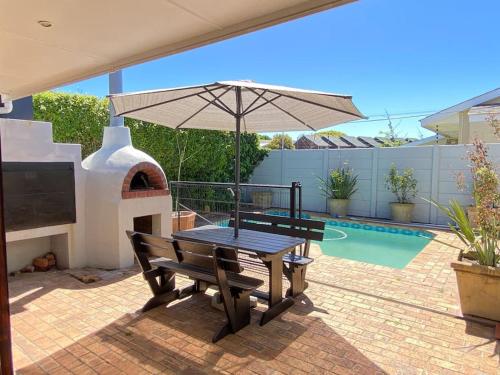
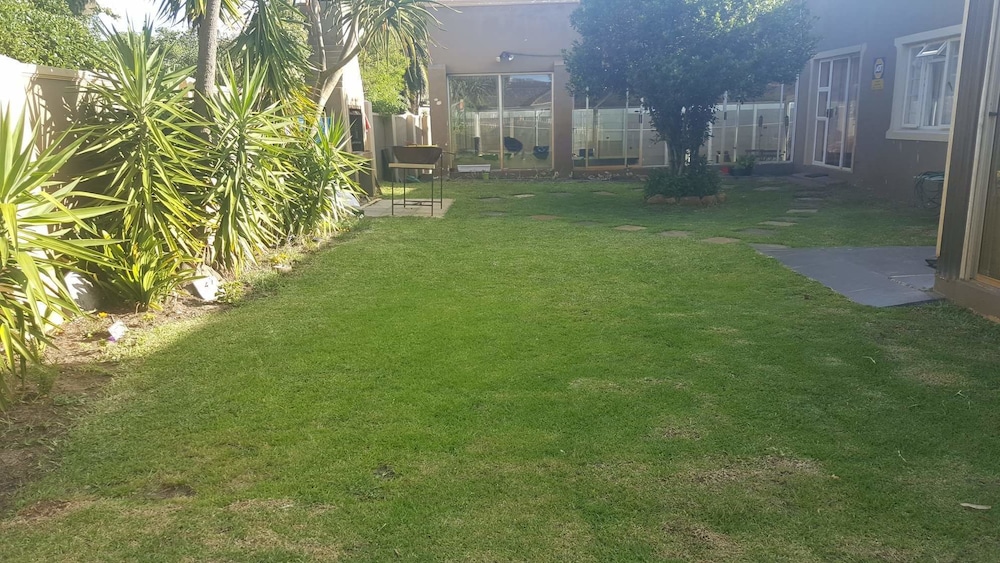
- Garden
- Hairdryer
- Internet access
- Iron and board
- Kitchen
- Laundry Service
- Microwave
- Non smoking rooms
- Oven
All 32 facilities
- Parking
- Pets allowed
- Refrigerator
- Shower
- Smoke detector
- Sofa bed
- TV
- Toaster
- Toiletries
- Towels
- WC
- Washing Machine
- Water
- Wifi
Location
1 Wellington Avenue, South Africa.
Open in Google Maps ↗Questions, answered
Where is The Wellstead located?
The Wellstead is in Wynberg, Cape Town (1 Wellington Avenue, South Africa), close to central Wynberg.
How much does The Wellstead cost per night?
Prices are set live by the hotel — check the booking page for a real rate for your dates.
Is Cape Town walkable, or do you need transport everywhere?
Individual areas are walkable and the city as a whole is not, because Table Mountain and Signal Hill sit between them. The 3 km Sea Point Promenade to Mouille Point and the V&A Waterfront is a genuine walk, and the City Bowl around Kloof Street, Long Street and Bo-Kaap is compact enough on foot. But City Bowl to Camps Bay is 8 km over Kloof Nek, and Muizenberg is 27 km down the M3, so both need wheels. After dark, use Uber or Bolt rather than walking between neighbourhoods, particularly around the station end of the CBD.
Can you actually swim in the sea in Cape Town, or is it too cold?
You can, but it depends entirely on which coast you choose. The Atlantic side at Clifton, Camps Bay, Llandudno and Hout Bay runs 13-16°C in summer because of the Benguela upwelling, and most people last a few minutes. False Bay — Muizenberg, St James, Fish Hoek, Seaforth at Simon’s Town — sits at 18-21°C from December to March and is comfortable for a proper swim. If neither appeals, the Sea Point Pavilion has a heated-by-sun 50 m saltwater pool on the promenade, the tidal pools at St James and Dalebrook warm up on a still day, and the Langebaan lagoon 120 km north on the R27 is the warmest flat water within reach of the city.
Which is the best area to stay in Cape Town for beaches?
Camps Bay is the best all-round beach base, because the sand, the restaurants and the bus route are all on the same 1 km strip of Victoria Road. Clifton is quieter and more sheltered from the summer south-easter, but every one of its four beaches involves a long stair climb from the road. If you want warm water rather than scenery, stay at Muizenberg or Simon’s Town on False Bay, where the sea sits at 18-21°C instead of the Atlantic’s 13-16°C. Sea Point is the value pick — the 3 km promenade and the Pavilion pools, with Clifton a 10-minute drive away.
What is the cheapest month to visit Cape Town?
June and July are the cheapest, with mid-range rooms 40-50% below their February rates and Sea Point guesthouses commonly under R1,200 a night. They are also the wettest, averaging around 90-100 mm of rain each and highs near 18°C, so plan for indoor days. The trade-off is real value elsewhere: southern right whales are already in Walker Bay off Hermanus from June, and Table Mountain is at its clearest between cold fronts. May and August are only marginally more expensive and slightly drier.
How many nights do you need in Cape Town?
Seven nights is the standard answer and it holds up, because Table Mountain’s cableway closes in wind and you need spare days to catch a clear morning. Five nights covers the Waterfront, one beach day, the 150 km Peninsula loop to Cape Point and Boulders, and a single Winelands day. Three nights forces you to drop either the Peninsula or Stellenbosch. Ten nights lets you split your stay — five on the Atlantic Seaboard, five in Kalk Bay or Simon’s Town — which cuts an hour of driving out of most days.