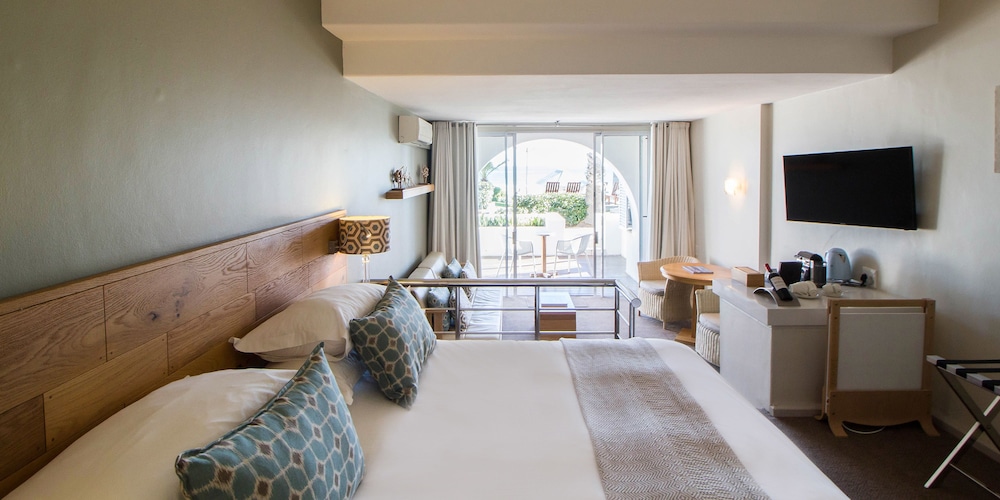
The Bay Hotel
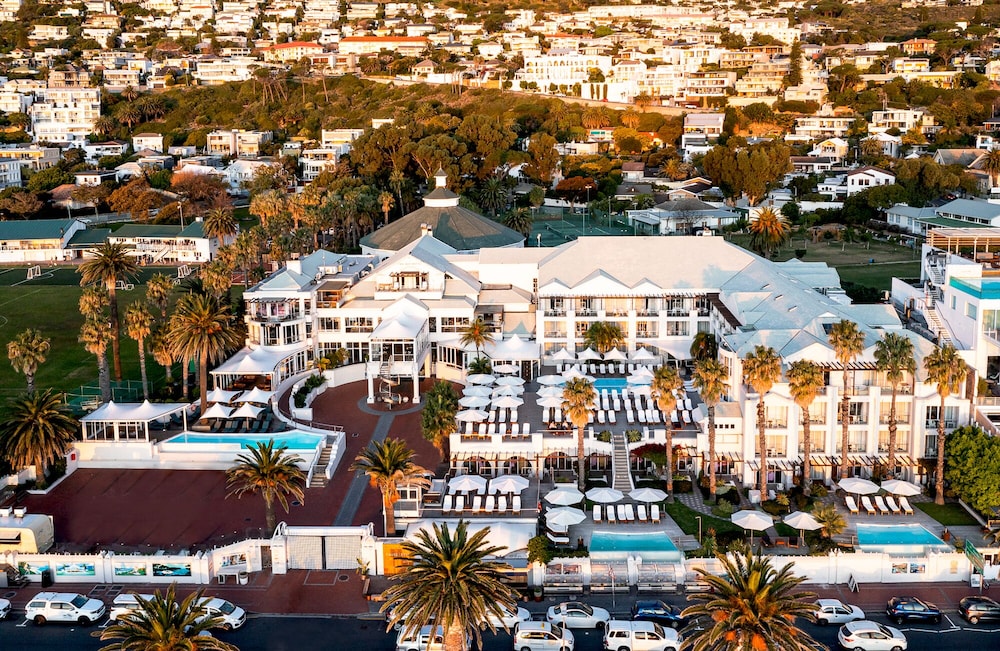
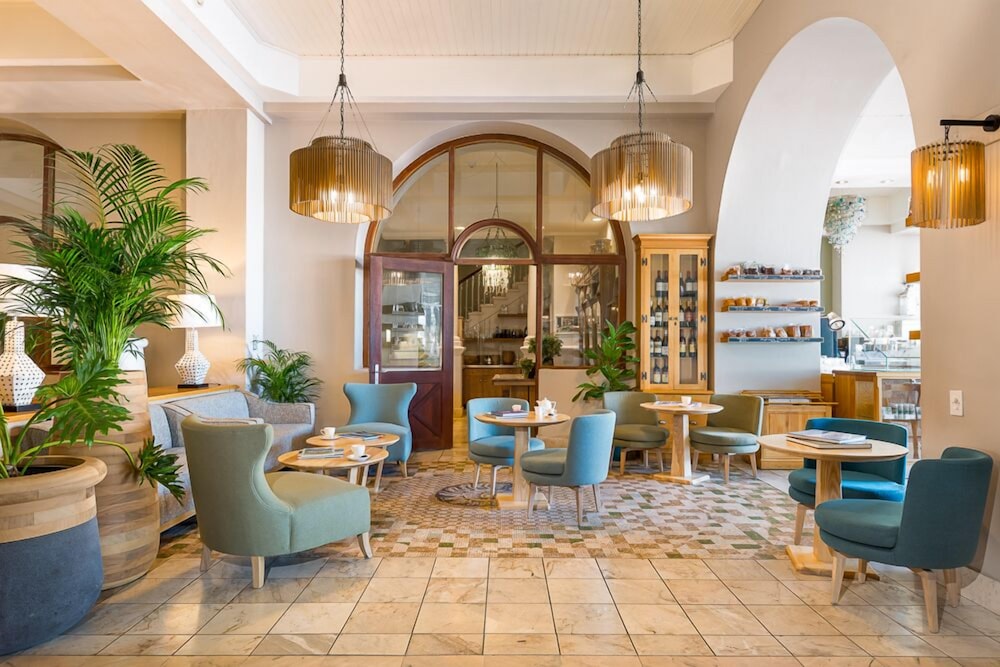
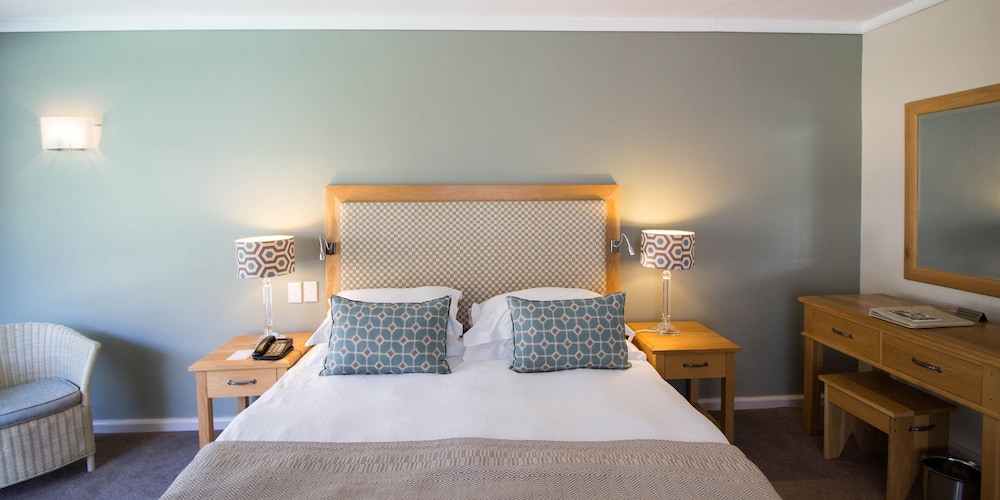
The Bay Hotel is a solid 4-star pick in Camps Bay, Cape Town — comfortable rooms and a base that keeps Camps Bay Beach close.
Guests typically choose Camps Bay for its balance of location and price; The Bay Hotel is a good fit if you want to be near the action in Cape Town.
Because pricing is set live by the hotel and its suppliers, the figure shown here is a recent snapshot; check the current rate for your exact dates before booking.
Key facts
What’s included
Around Camps Bay


Best time to visit Cape Town, month by month
February and March are the best weeks of the year for beaches: highs around 27°C, the south-easter easing off, the sea at its warmest, and rates 20-40% below the Christmas peak. Mid-December to mid-January is the Southern Hemisphere school holiday, when Camps Bay and Clifton double or triple their rates and impose five- and seven-night minimums; the Tweede Nuwe Jaar minstrel parade on 2 January fills the City Bowl. The Cape Town Cycle Tour on the second Sunday in March books out Sea Point and the Atlantic Seaboard and closes the coastal roads for most of that day, so check the date before you lock in a non-refundable rate. Easter weekend brings the Two Oceans Marathon and another short rate spike. The Kirstenbosch Summer Sunset Concerts run on Sunday evenings from late November to early April.
May to August is the wet Cape winter — June and July average around 90-100 mm of rain each, with highs near 18°C — and it is by a distance the cheapest time to be here, with mid-range rooms falling 40-50% from their February level. It is not a write-off: southern right whales arrive in Walker Bay off Hermanus and Betty’s Bay from June, and clear winter days between fronts give the sharpest views of Table Mountain you will get all year. September brings the Hermanus Whale Festival at the end of the month, peak whale numbers, and the wildflower season at Postberg in the West Coast National Park near Langebaan, which only opens for August and September. October and November are reliable shoulder months with rising wind, and April is the quiet favourite — warm, still, and priced like winter.
Getting around Cape Town, and from the airport
Cape Town International is about 20 km from the City Bowl on the N2, which is 20 minutes off-peak and 45 in the afternoon crawl. The MyCiTi A01 bus runs from the terminal to the Civic Centre station roughly every 20-30 minutes for about R120 plus around R35 for the reusable card; Uber and Bolt run about R250-R400 to the City Bowl or Waterfront and R400-R550 to Camps Bay or Hout Bay. Car hire is R400-R900 a day depending on season, with petrol around R22 a litre. Distances are short but the mountain is in the way: City Bowl to Camps Bay is 8 km over Kloof Nek, the Waterfront to Muizenberg is 27 km on the M3, and Chapman’s Peak Drive carries a toll of about R65 per car.
The Metrorail Southern Line from Cape Town station through Observatory, Rondebosch, Muizenberg and Kalk Bay to Simon’s Town is the one genuinely useful train for visitors — a MetroPlus ticket costs around R20 and the last stretch runs along the water at St James — and it is worth using in daylight hours only. MyCiTi also covers Sea Point, Green Point, Camps Bay and Hout Bay from the Civic Centre. You can manage a week without a car if you stay in Sea Point, Green Point or the Waterfront and use ride-hailing for the beaches. You cannot manage Cape Point, Stellenbosch (50 km on the N2), Franschhoek (75 km) or Hermanus (120 km via the R43) without one, unless you buy day tours. Budget R5-R10 for the car guard whenever you park at a beach.
How many nights in Cape Town, and what a first trip looks like
Seven nights is the right number for a first visit; five is workable and three means you will miss either the Peninsula or the Winelands. Table Mountain has to float — the cableway closes in high wind, tickets run around R440 return for an adult, and you want two or three flexible days to catch a clear, still morning. A sensible shape: day one at the V&A Waterfront with the Robben Island ferry, day two the full Peninsula loop through Hout Bay, Chapman’s Peak, Cape Point and Boulders at Simon’s Town, day three a beach day at Clifton or Camps Bay. That loop is about 150 km and takes a full day if you stop properly.
Days four to seven fill themselves: Kirstenbosch and the Constantia wine farms, a surf lesson at Muizenberg’s Surfers Corner followed by lunch in Kalk Bay, and one long day or an overnight in Stellenbosch or Franschhoek. If you add a night in the Winelands, book it midweek — Franschhoek fills on Saturdays. Between June and November, swap a day for Hermanus, 1 hour 45 minutes each way on the R43, where you can watch whales from the cliff path without a boat. Ten nights lets you base twice: five on the Atlantic side, five in Simon’s Town or Kalk Bay, which removes an hour of driving a day.
