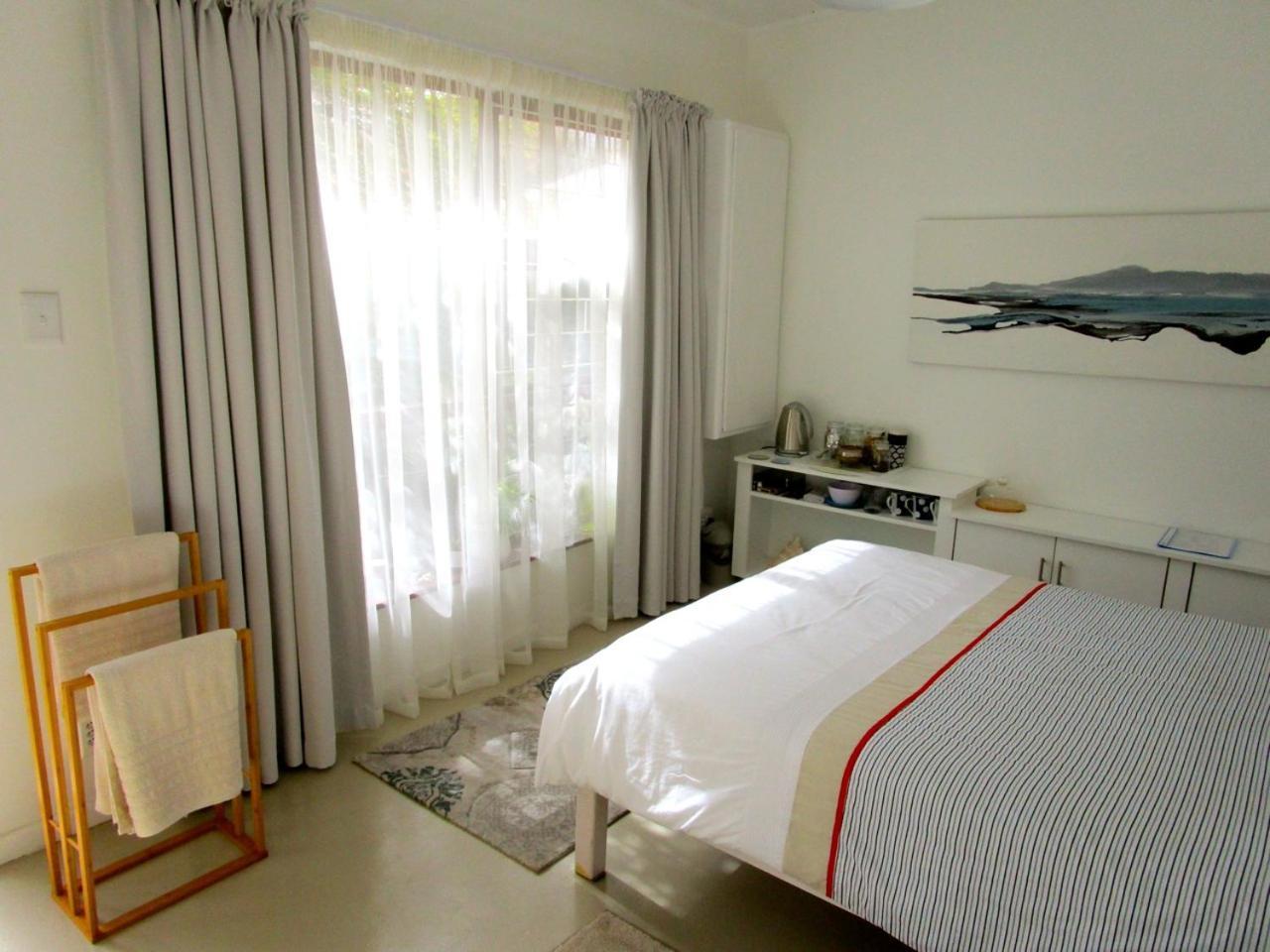
Sherwood Garden
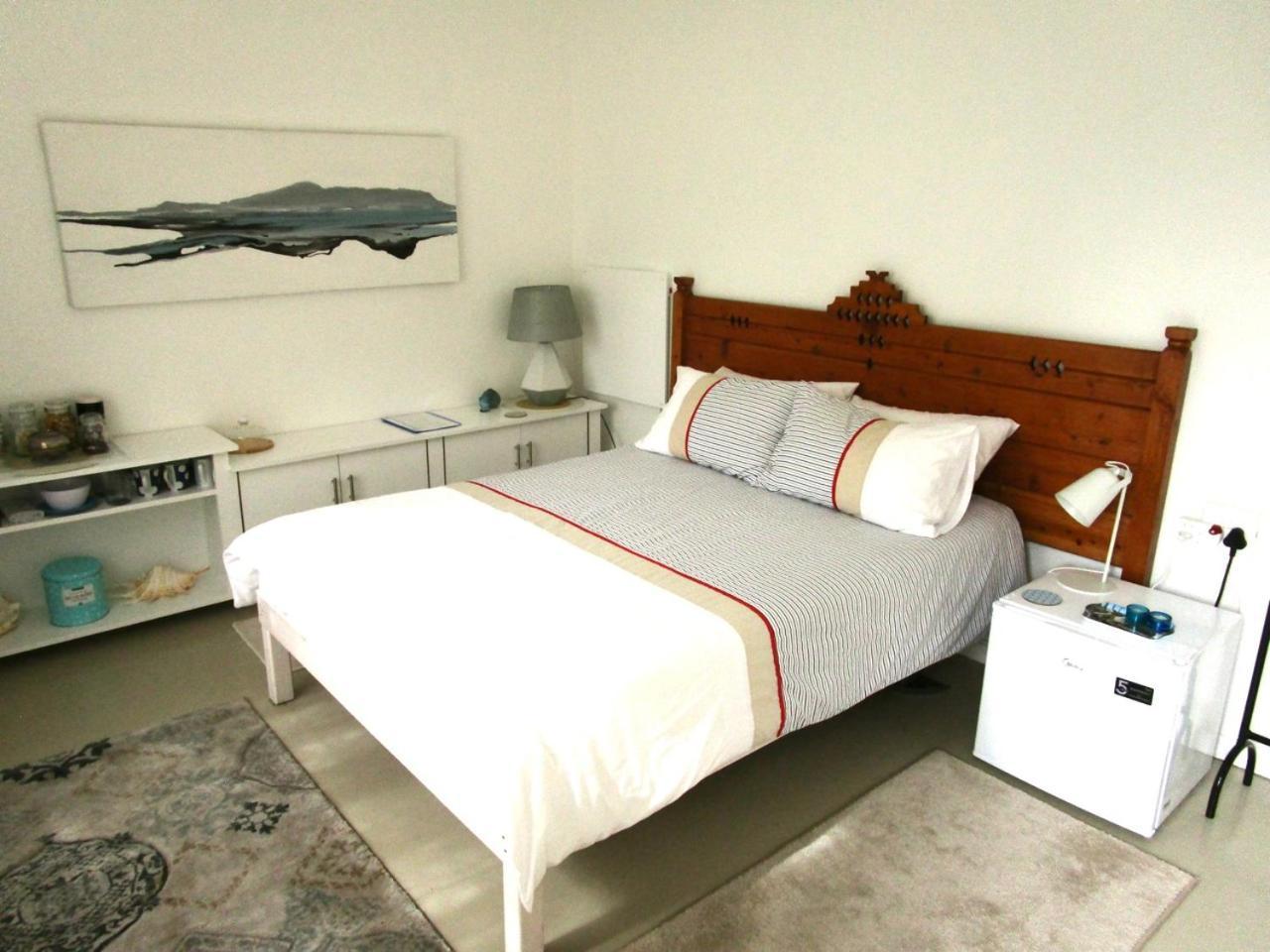
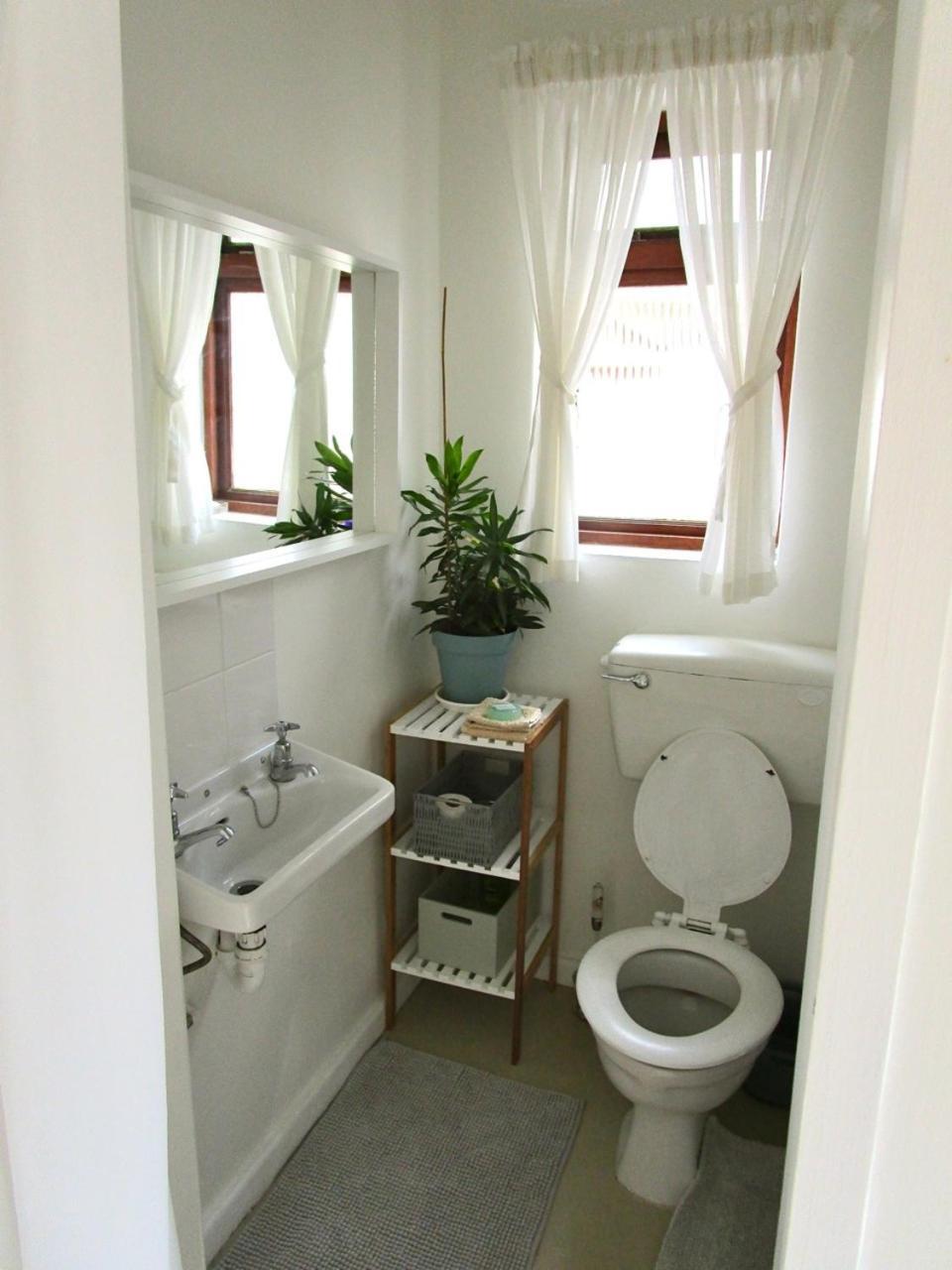
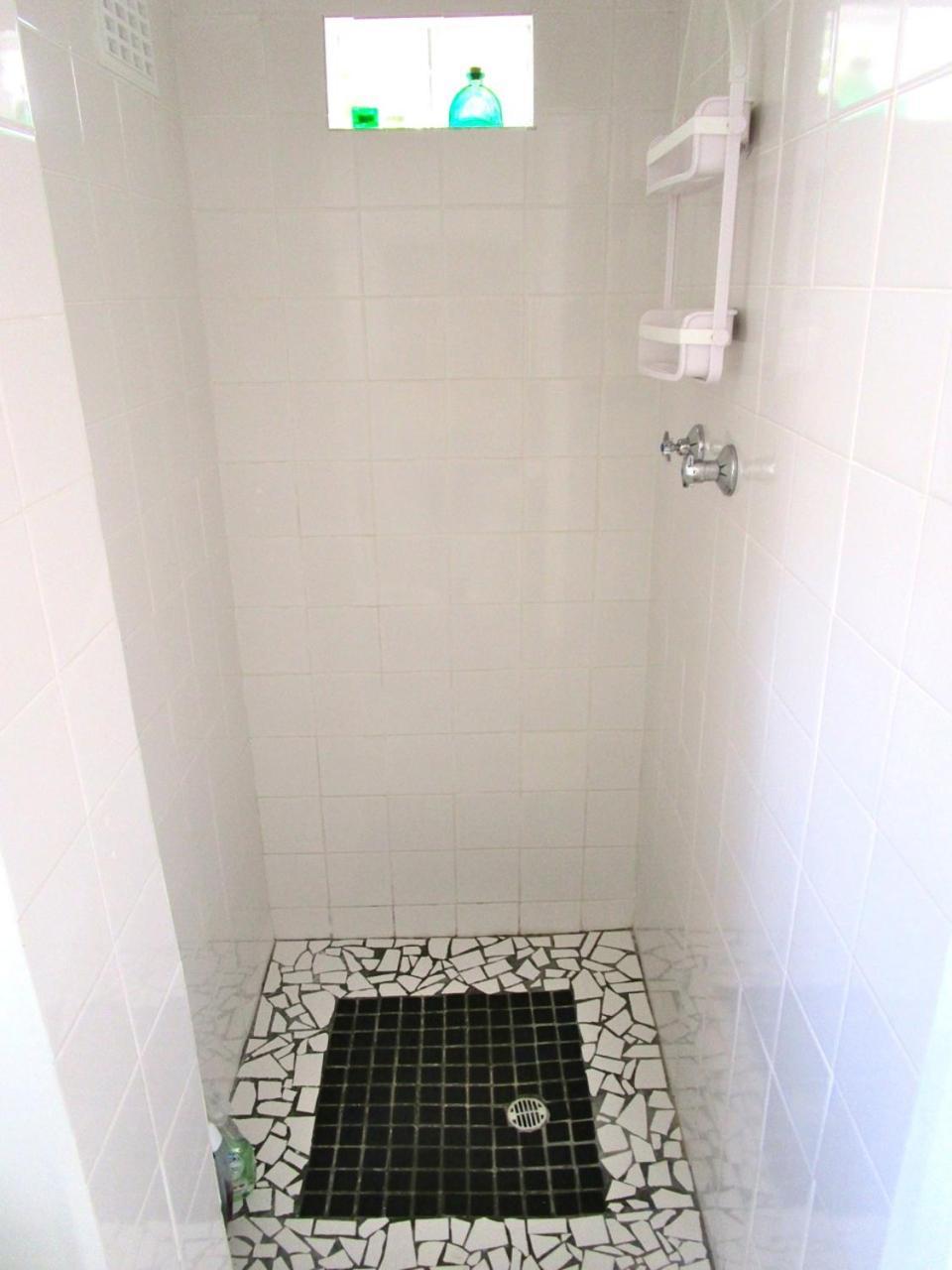
Sherwood Garden is a budget-friendly stay in Kalk Bay, Cape Town — a no-frills base for seeing Gordon’s Bay Beach and the rest of the area affordably.
The surrounding Kalk Bay district is one of the most convenient parts of Cape Town to stay in, with restaurants, cafés and transport links close by.
Rates shift with the season and with demand, so the live price on the booking page is always the one to trust — tap through for tonight’s or your dates' real availability.
Key facts
What’s included
Around Kalk Bay
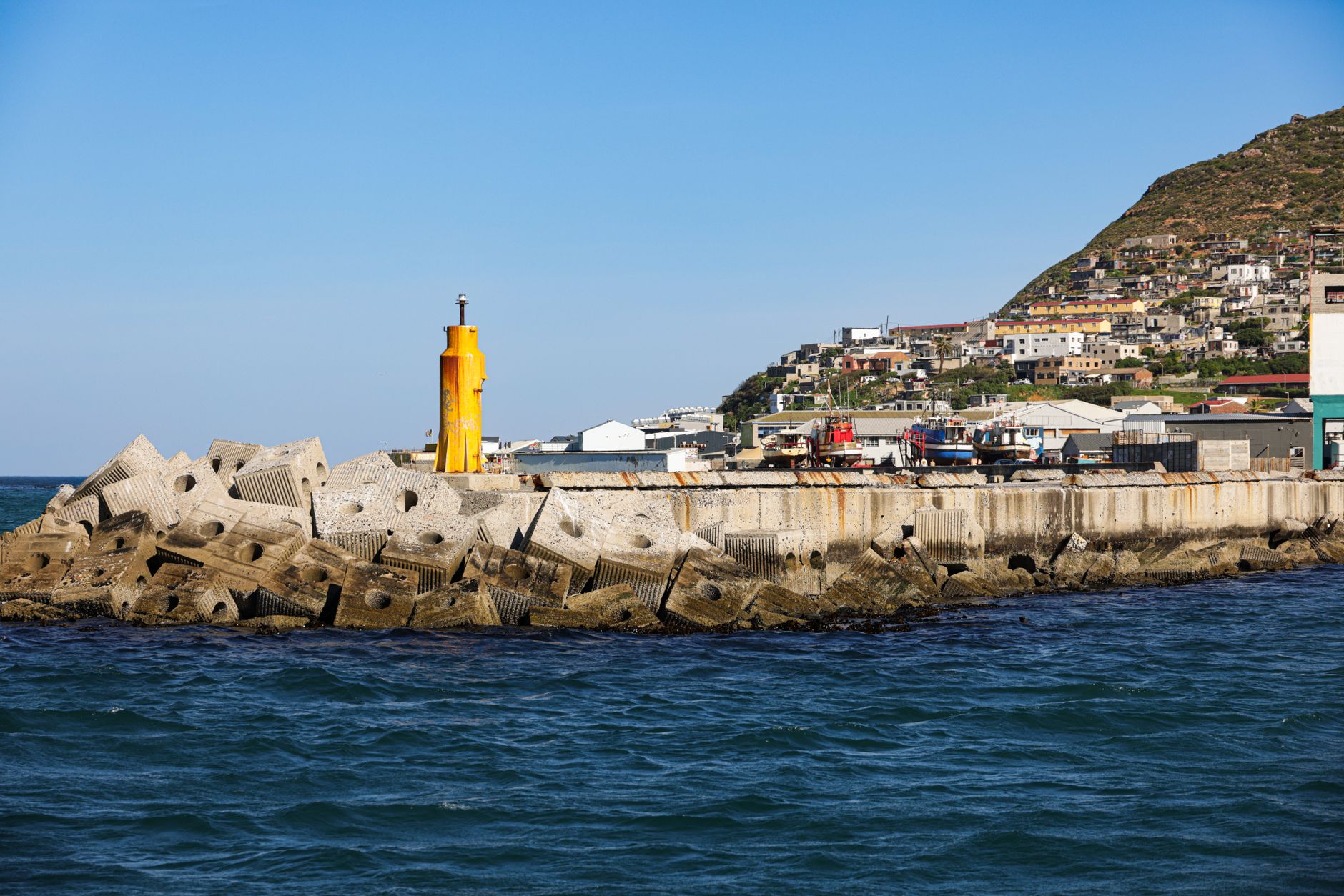


The wind, the water and the mistakes people make booking Cape Town beaches
The thing no one tells you is that Cape Town has two coasts with opposite weather, and booking only one of them is the classic error. The south-easter — the Cape Doctor — blows from November to February and is offshore at Clifton and Camps Bay, which is why those four coves stay calm on a day when Muizenberg and Fish Hoek are being sandblasted; in winter the north-wester reverses it and False Bay becomes the sheltered side. Sea temperature works the other way: Clifton and Camps Bay sit at 13-16°C, while Muizenberg, St James and Seaforth run 18-21°C. Whichever side you book, stay somewhere you can reach the other coast in 35 minutes, which means either a car or a base in the City Bowl or Sea Point. Also check what backup power a property has — load shedding is intermittent rather than constant now, but an inverter or generator is worth asking about before you pay.
Two areas get wrongly skipped. Simon’s Town and Kalk Bay are treated as day trips when they are perfectly good bases, with the Southern Line train at the door, Boulders penguins ten minutes away and rooms at half the Atlantic Seaboard price. Woodstock and Salt River are dismissed as industrial, yet they sit 6 km from the Waterfront with the Old Biscuit Mill and the cheapest good coffee in the city. Two other traps: "beachfront" in Sea Point means the promenade, not sand, and December bookings in Camps Bay are usually non-refundable with a minimum stay, so confirm both before paying a deposit.
Where to stay in Cape Town: which area sits on which beach
Camps Bay and Clifton are the only areas where you can walk from your room onto Atlantic sand in under five minutes, and they charge for it — expect to pay 30-50% more than the same standard of room in Sea Point. Clifton’s four coves sit below Victoria Road and are reached by long flights of steps, with Fourth Beach holding Blue Flag status; Camps Bay is flatter, with the restaurant strip directly across the road from the beach. Sea Point has the 3 km promenade, the Sea Point Pavilion tidal pools and far better value, but almost no swimming sand — Saunders' Rocks and Milton Beach are small and rocky, so "beachfront" here means promenade. Green Point sits between Sea Point and the V&A Waterfront, next to DHL Stadium and the Mouille Point lighthouse, and is the compromise most people end up making. The V&A Waterfront has no beach at all but puts you at the Two Oceans Aquarium and the Robben Island ferry, and carries the highest average nightly rate in the city.
The False Bay side is warmer water and lower prices: Muizenberg’s Surfers Corner sits at 18-21°C in summer against 13-16°C at Clifton, Kalk Bay has the harbour, Main Road antique shops and the Dalebrook tidal pool, and Simon’s Town gives you Boulders Beach penguins and sheltered Seaforth. Rooms in these three run well under half of Camps Bay in peak season. Inland, City Bowl neighbourhoods around Kloof Street and Bo-Kaap suit walkers and hikers — Platteklip Gorge and the Kloof Corner trailheads start above them — while Constantia, Newlands, Rondebosch, Claremont and Wynberg are leafy, quiet and 25-35 minutes from any coast, close to Kirstenbosch and Groot Constantia. Observatory, Woodstock and Salt River hold the cheapest beds within 6 km of the centre, with the Old Biscuit Mill market on Saturdays. For side trips, Stellenbosch, Franschhoek, Paarl and Somerset West are wine-country bases, Hermanus and Betty’s Bay are for whales, and Langebaan is flat warm lagoon water for anyone who finds the Atlantic unbearable.
Best time to visit Cape Town, month by month
February and March are the best weeks of the year for beaches: highs around 27°C, the south-easter easing off, the sea at its warmest, and rates 20-40% below the Christmas peak. Mid-December to mid-January is the Southern Hemisphere school holiday, when Camps Bay and Clifton double or triple their rates and impose five- and seven-night minimums; the Tweede Nuwe Jaar minstrel parade on 2 January fills the City Bowl. The Cape Town Cycle Tour on the second Sunday in March books out Sea Point and the Atlantic Seaboard and closes the coastal roads for most of that day, so check the date before you lock in a non-refundable rate. Easter weekend brings the Two Oceans Marathon and another short rate spike. The Kirstenbosch Summer Sunset Concerts run on Sunday evenings from late November to early April.
May to August is the wet Cape winter — June and July average around 90-100 mm of rain each, with highs near 18°C — and it is by a distance the cheapest time to be here, with mid-range rooms falling 40-50% from their February level. It is not a write-off: southern right whales arrive in Walker Bay off Hermanus and Betty’s Bay from June, and clear winter days between fronts give the sharpest views of Table Mountain you will get all year. September brings the Hermanus Whale Festival at the end of the month, peak whale numbers, and the wildflower season at Postberg in the West Coast National Park near Langebaan, which only opens for August and September. October and November are reliable shoulder months with rising wind, and April is the quiet favourite — warm, still, and priced like winter.
