On Salisbury


About this stay
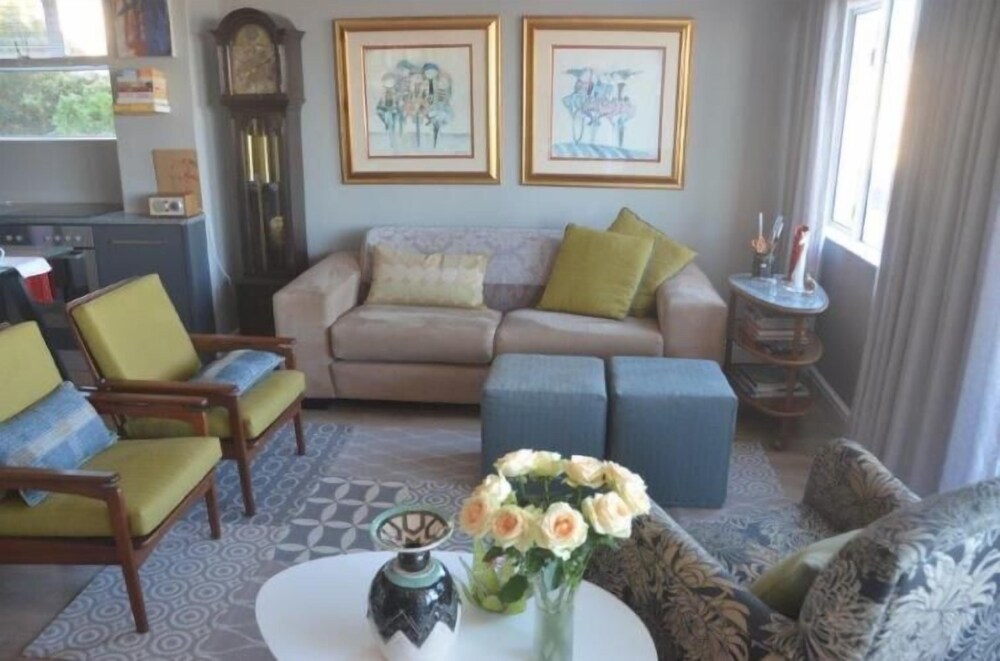
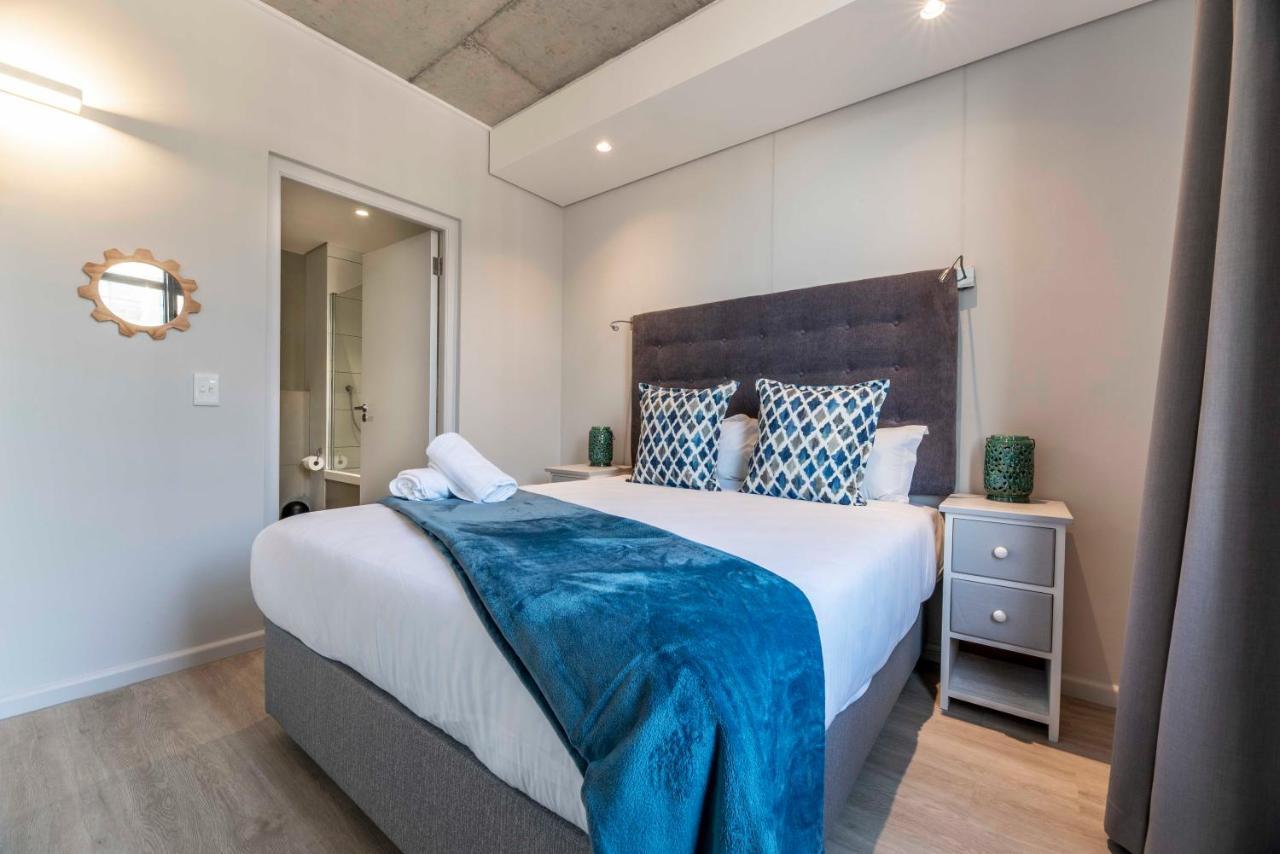
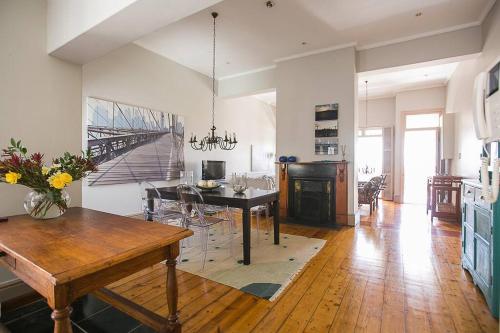
On Salisbury is a 4-star hotel in Woodstock, Cape Town.
On Salisbury is a well-rated 4-star hotel in Woodstock, Cape Town, popular with guests who want comfort and a strong location near central Woodstock.
Book On Salisbury through app.impt.io at the same live rate you would find anywhere else, with free cancellation on most rooms. Every completed booking funds one verified tonne of carbon removal — paid from the standard commission the hotel already covers, never added to your bill.
Facilities
- Balcony
- Bath
- Cleaning
- Coffee
- Desk
- Dishwasher
- Fan
- Fireplace
- Free Wifi
- Hairdryer
- Internet access
- Iron and board
- Kitchen
- Oven
- Patio
- Pets allowed
- Refrigerator
- Sheets
All 28 facilities
- Shower
- Sofa bed
- TV
- Terrace
- Toaster
- Toiletries
- Towels
- WC
- Washing Machine
- Wifi
Location
73 Salisbury Street, Cape Town, South Africa.
Open in Google Maps ↗Questions, answered
Where is On Salisbury located?
On Salisbury is in Woodstock, Cape Town (73 Salisbury Street, Cape Town, South Africa), close to central Woodstock.
How much does On Salisbury cost per night?
Prices are set live by the hotel — check the booking page for a real rate for your dates.
How many stars is On Salisbury?
On Salisbury is a 4-star hotel in Cape Town.
What should I book early for a Cape Town trip?
Accommodation for 15 December to 10 January should be booked six months out, because Camps Bay and Clifton apply five- and seven-night minimums and non-refundable rates over that window. Also lock in the Robben Island ferry, which sells out days ahead in summer, and any table at a Franschhoek or Constantia estate on a Saturday. Table Mountain cableway tickets at around R440 return can be bought online to skip the queue, but do not commit to a fixed date — it shuts in high wind. If your dates fall on the second Sunday in March, book well ahead: the Cape Town Cycle Tour fills the Atlantic Seaboard and closes the coastal roads.
What is a typical nightly hotel rate in Cape Town?
A mid-range four-star double in the City Bowl or Green Point typically runs R1,800-R3,000 in winter and R2,800-R4,500 in February and March. Three-star guesthouses in Sea Point, Woodstock or Muizenberg sit at R900-R1,600 in the off season, and backpacker dorms at R300-R550. Five-star rooms at the V&A Waterfront or in Camps Bay are R5,000-R12,000 through the shoulder months. Over the Christmas peak, the same Camps Bay rooms are quoted at R12,000-R30,000, and most bills add the 1% TOMSA tourism levy.
Is Cape Town walkable, or do you need transport everywhere?
Individual areas are walkable and the city as a whole is not, because Table Mountain and Signal Hill sit between them. The 3 km Sea Point Promenade to Mouille Point and the V&A Waterfront is a genuine walk, and the City Bowl around Kloof Street, Long Street and Bo-Kaap is compact enough on foot. But City Bowl to Camps Bay is 8 km over Kloof Nek, and Muizenberg is 27 km down the M3, so both need wheels. After dark, use Uber or Bolt rather than walking between neighbourhoods, particularly around the station end of the CBD.
Can you actually swim in the sea in Cape Town, or is it too cold?
You can, but it depends entirely on which coast you choose. The Atlantic side at Clifton, Camps Bay, Llandudno and Hout Bay runs 13-16°C in summer because of the Benguela upwelling, and most people last a few minutes. False Bay — Muizenberg, St James, Fish Hoek, Seaforth at Simon’s Town — sits at 18-21°C from December to March and is comfortable for a proper swim. If neither appeals, the Sea Point Pavilion has a heated-by-sun 50 m saltwater pool on the promenade, the tidal pools at St James and Dalebrook warm up on a still day, and the Langebaan lagoon 120 km north on the R27 is the warmest flat water within reach of the city.
Which is the best area to stay in Cape Town for beaches?
Camps Bay is the best all-round beach base, because the sand, the restaurants and the bus route are all on the same 1 km strip of Victoria Road. Clifton is quieter and more sheltered from the summer south-easter, but every one of its four beaches involves a long stair climb from the road. If you want warm water rather than scenery, stay at Muizenberg or Simon’s Town on False Bay, where the sea sits at 18-21°C instead of the Atlantic’s 13-16°C. Sea Point is the value pick — the 3 km promenade and the Pavilion pools, with Clifton a 10-minute drive away.