Cape TownDestinations
★★★ V&A Waterfront · Cape Town ★ 4.4 · 21
LuxuryStay at The Docklands
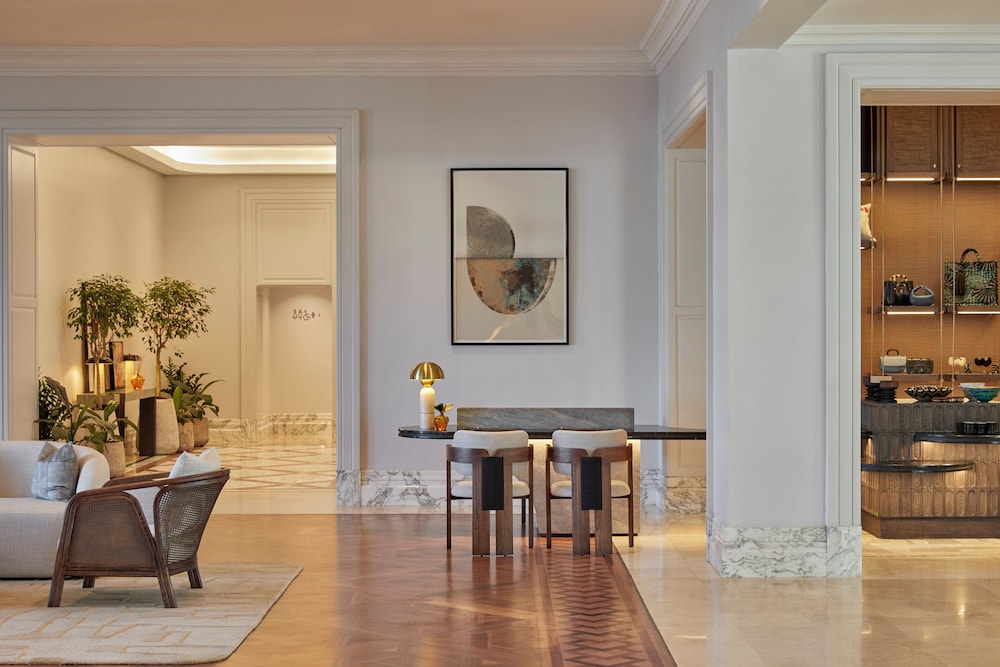
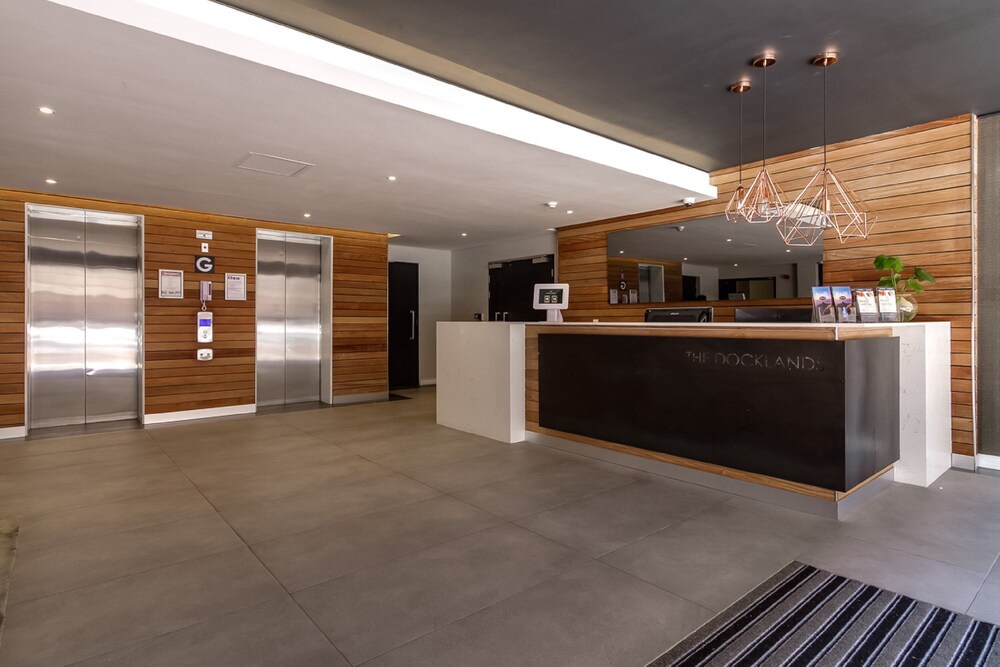
Lobby
Room
Room
Room +1 photos

LuxuryStay at The Docklands

70 Prestwich St, Cape Town, South Africa

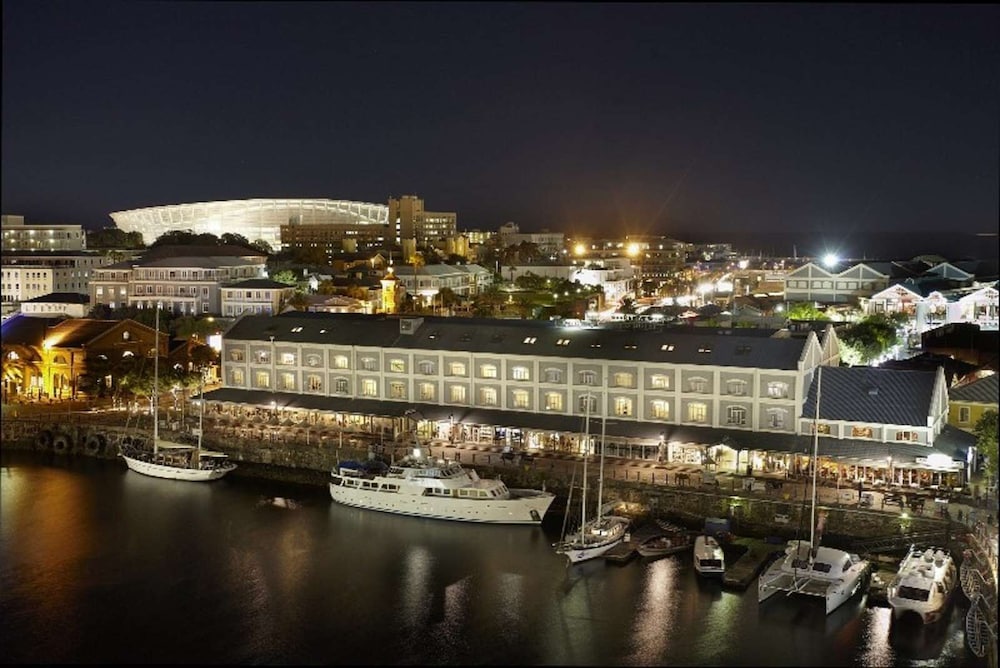
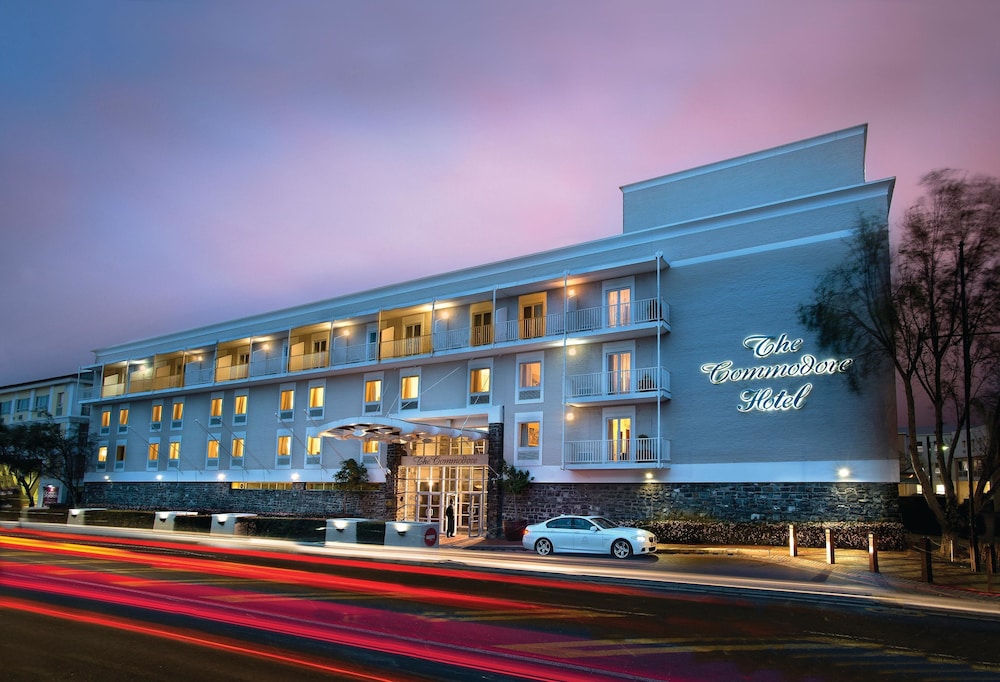
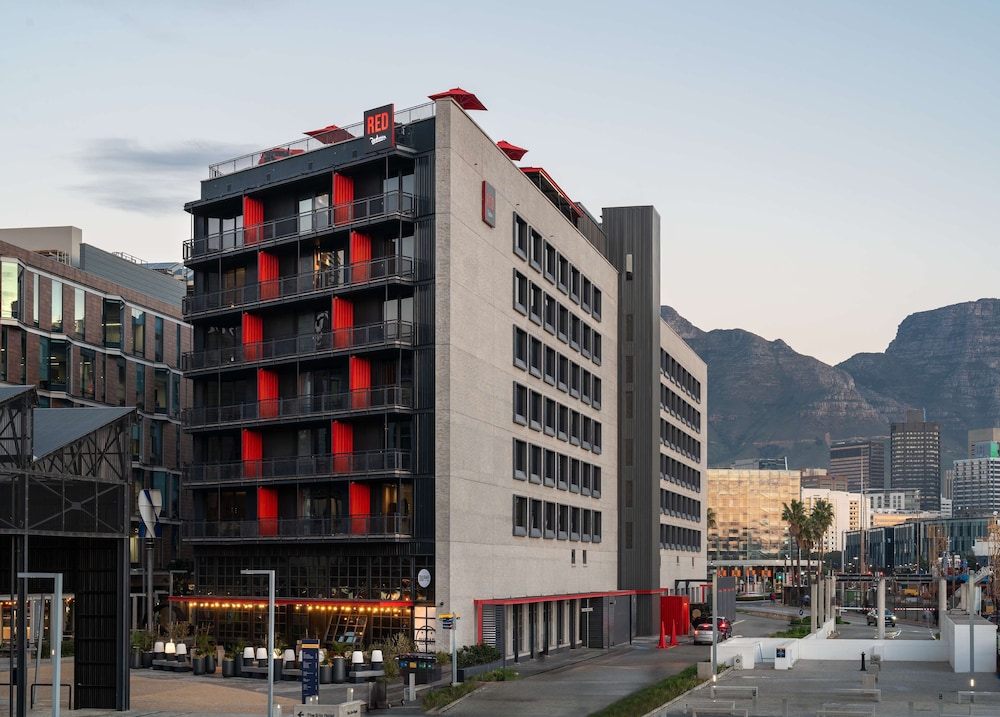
Looking for a straightforward base in Cape Town? LuxuryStay at The Docklands in V&A Waterfront covers the essentials and sits near central V&A Waterfront.
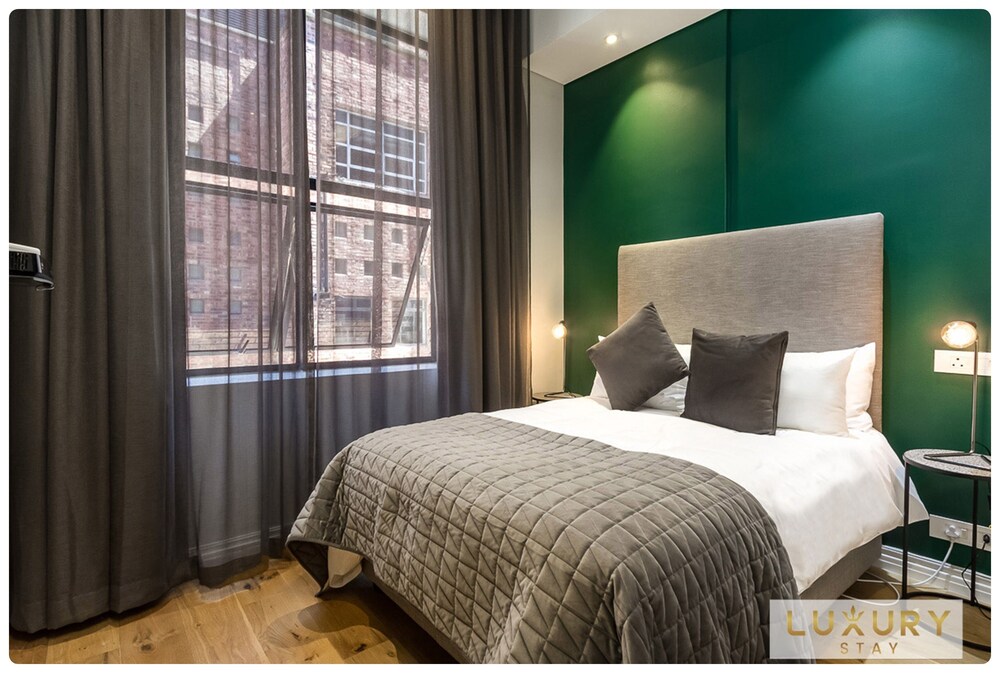
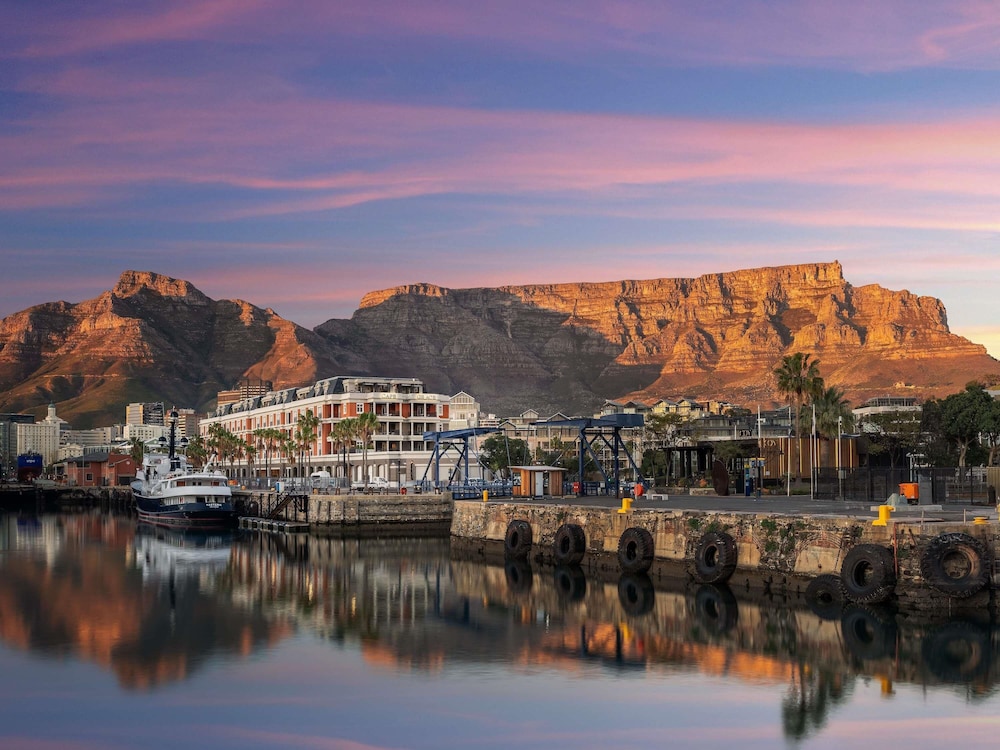
From here, Cape Town’s main attractions — including central V&A Waterfront — are an easy walk or short ride away, so you spend less time in transit and more time exploring.

Key facts

Class
3-star
Area
V&A Waterfront
Guest rating
4.4 (21)
Address
70 Prestwich St, Cape Town, South Africa

What’s included

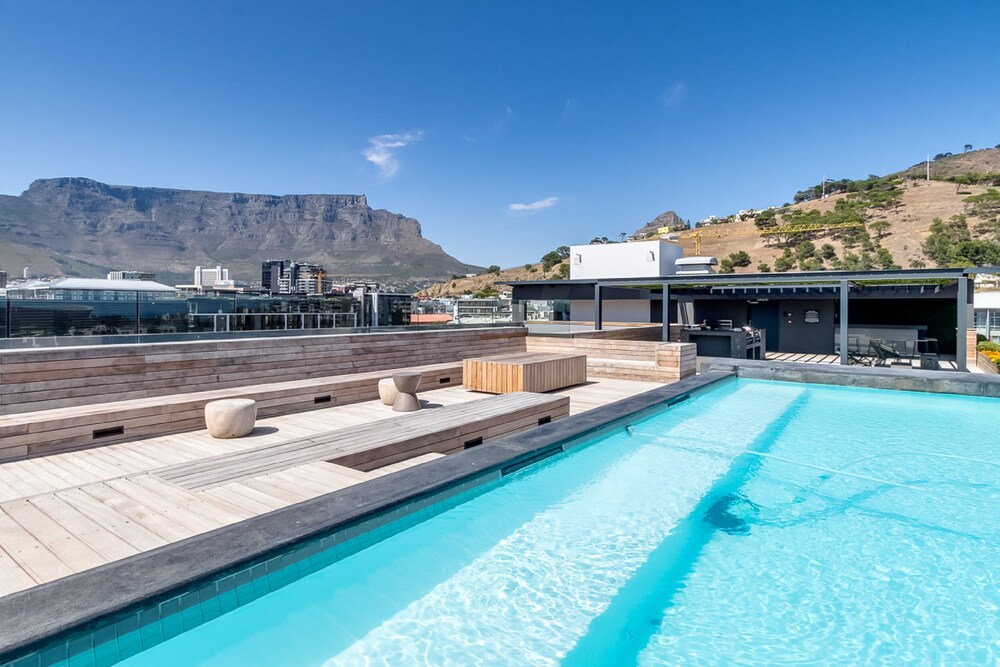
24 Hour Front Desk Coffee Concierge Dry cleaning service Free Wifi Free car parking Free newspaper Laundry Service Lifts Lounge Outdoor pool Parking Pets Not Allowed Reception area Restaurant(s) Safe Sheets Sofa bed Surf Swimming pool Terrace Wheelchair accessible

What hotels actually cost in Cape Town

In winter, a backpacker dorm bed in Observatory or Green Point runs R300-R550, a decent three-star guesthouse double in Sea Point, Muizenberg or Woodstock is R900-R1,600, and a solid four-star in the City Bowl or Green Point is R1,800-R3,000. The same rooms in February and March move to roughly R1,600-R2,600 and R2,800-R4,500. Five-star properties at the V&A Waterfront, in Camps Bay or on the Constantia wine estates sit at R5,000-R12,000 through the shoulder months. Most guesthouse rates include breakfast; many bills add the 1% TOMSA tourism levy, which is normal and not a scam.

The spike is sharp and short. From about 15 December to 10 January, Camps Bay and Clifton four- and five-star rooms commonly ask R12,000-R30,000 a night with minimum stays attached, and mid-range Sea Point guesthouses that charge R1,200 in July will quote R4,000. Hermanus follows a different curve, peaking in September and early October at R1,800-R3,500 for a whale-view room. Franschhoek’s top country-house rooms clear R6,000 year round and more over harvest in February. If your dates are fixed over Christmas, look at Muizenberg, Kalk Bay, Simon’s Town or Somerset West, where the same money buys two star ratings more.

The wind, the water and the mistakes people make booking Cape Town beaches

The thing no one tells you is that Cape Town has two coasts with opposite weather, and booking only one of them is the classic error. The south-easter — the Cape Doctor — blows from November to February and is offshore at Clifton and Camps Bay, which is why those four coves stay calm on a day when Muizenberg and Fish Hoek are being sandblasted; in winter the north-wester reverses it and False Bay becomes the sheltered side. Sea temperature works the other way: Clifton and Camps Bay sit at 13-16°C, while Muizenberg, St James and Seaforth run 18-21°C. Whichever side you book, stay somewhere you can reach the other coast in 35 minutes, which means either a car or a base in the City Bowl or Sea Point. Also check what backup power a property has — load shedding is intermittent rather than constant now, but an inverter or generator is worth asking about before you pay.

Two areas get wrongly skipped. Simon’s Town and Kalk Bay are treated as day trips when they are perfectly good bases, with the Southern Line train at the door, Boulders penguins ten minutes away and rooms at half the Atlantic Seaboard price. Woodstock and Salt River are dismissed as industrial, yet they sit 6 km from the Waterfront with the Old Biscuit Mill and the cheapest good coffee in the city. Two other traps: "beachfront" in Sea Point means the promenade, not sand, and December bookings in Camps Bay are usually non-refundable with a minimum stay, so confirm both before paying a deposit.

Where to stay in Cape Town: which area sits on which beach

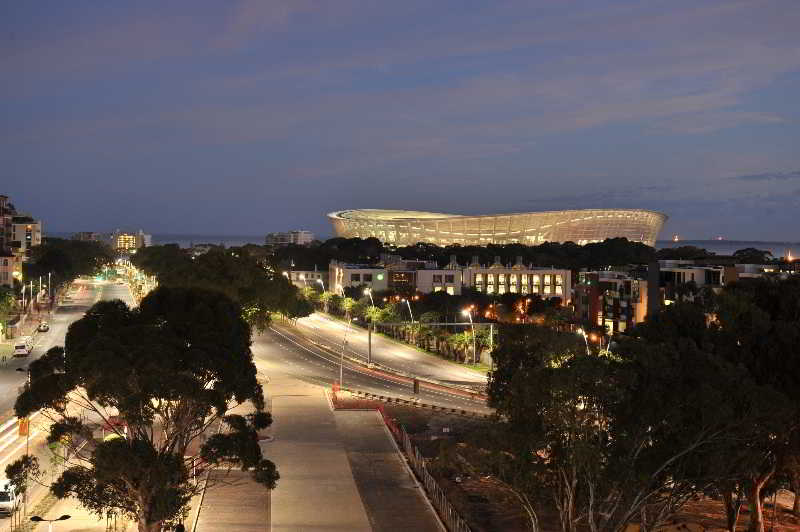
Camps Bay and Clifton are the only areas where you can walk from your room onto Atlantic sand in under five minutes, and they charge for it — expect to pay 30-50% more than the same standard of room in Sea Point. Clifton’s four coves sit below Victoria Road and are reached by long flights of steps, with Fourth Beach holding Blue Flag status; Camps Bay is flatter, with the restaurant strip directly across the road from the beach. Sea Point has the 3 km promenade, the Sea Point Pavilion tidal pools and far better value, but almost no swimming sand — Saunders' Rocks and Milton Beach are small and rocky, so "beachfront" here means promenade. Green Point sits between Sea Point and the V&A Waterfront, next to DHL Stadium and the Mouille Point lighthouse, and is the compromise most people end up making. The V&A Waterfront has no beach at all but puts you at the Two Oceans Aquarium and the Robben Island ferry, and carries the highest average nightly rate in the city.

The False Bay side is warmer water and lower prices: Muizenberg’s Surfers Corner sits at 18-21°C in summer against 13-16°C at Clifton, Kalk Bay has the harbour, Main Road antique shops and the Dalebrook tidal pool, and Simon’s Town gives you Boulders Beach penguins and sheltered Seaforth. Rooms in these three run well under half of Camps Bay in peak season. Inland, City Bowl neighbourhoods around Kloof Street and Bo-Kaap suit walkers and hikers — Platteklip Gorge and the Kloof Corner trailheads start above them — while Constantia, Newlands, Rondebosch, Claremont and Wynberg are leafy, quiet and 25-35 minutes from any coast, close to Kirstenbosch and Groot Constantia. Observatory, Woodstock and Salt River hold the cheapest beds within 6 km of the centre, with the Old Biscuit Mill market on Saturdays. For side trips, Stellenbosch, Franschhoek, Paarl and Somerset West are wine-country bases, Hermanus and Betty’s Bay are for whales, and Langebaan is flat warm lagoon water for anyone who finds the Atlantic unbearable.

Questions, answered

Where is LuxuryStay at The Docklands located?
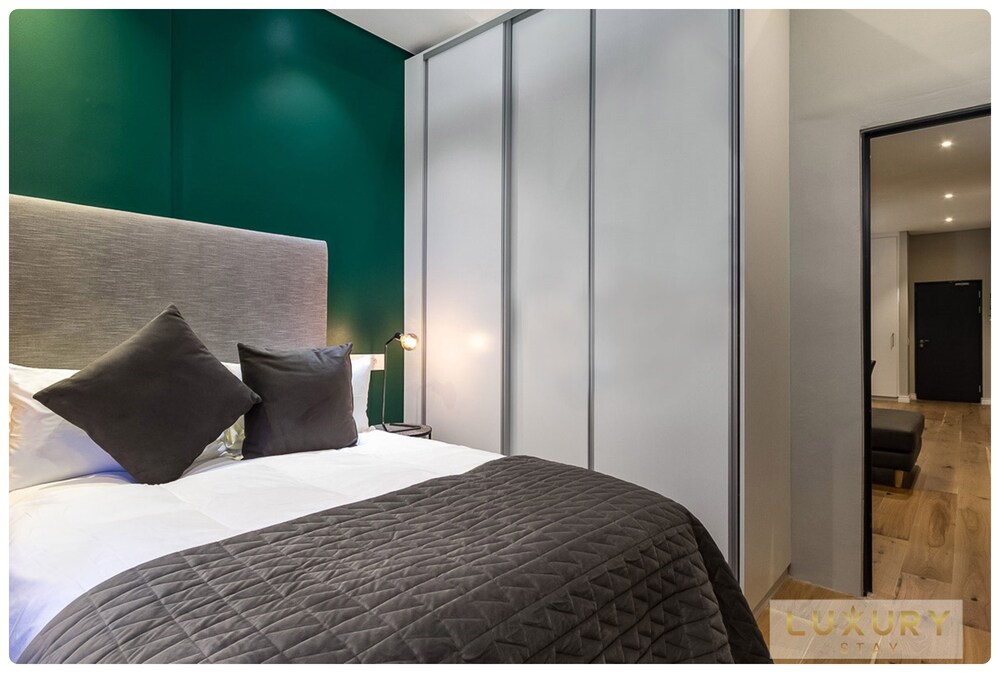
LuxuryStay at The Docklands is in V&A Waterfront, Cape Town (70 Prestwich St, Cape Town, South Africa), close to central V&A Waterfront.
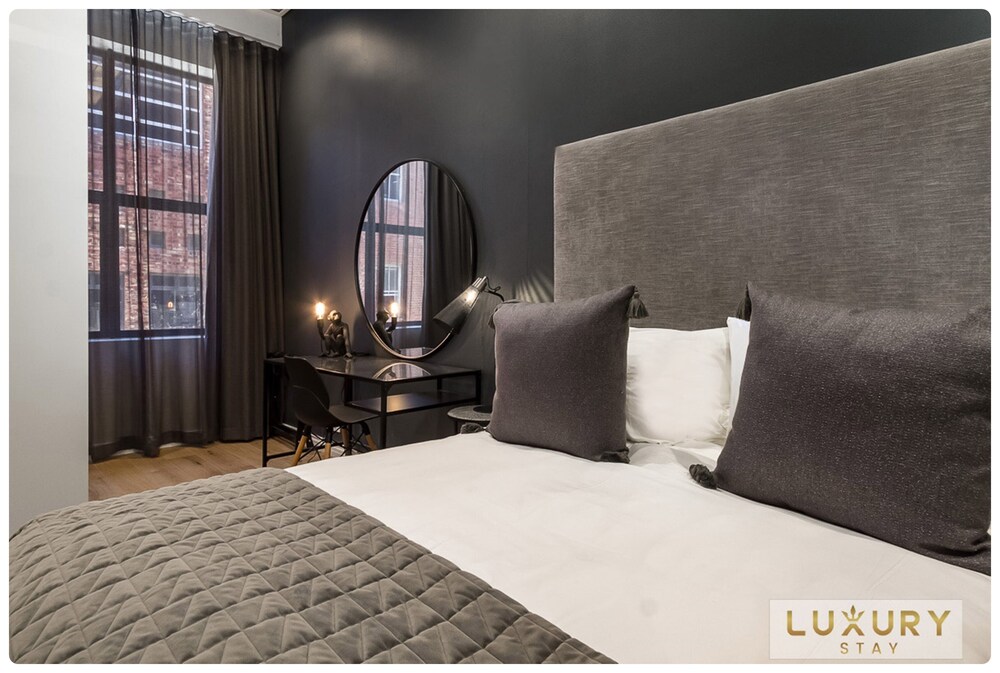
How much does LuxuryStay at The Docklands cost per night?
Prices are set live by the hotel — check the booking page for a real rate for your dates.
How many stars is LuxuryStay at The Docklands?
LuxuryStay at The Docklands is a 3-star hotel in Cape Town.
Is LuxuryStay at The Docklands a good hotel?
Guests rate it 4.4 across 21 reviews. It’s a midscale choice for Cape Town.
Is Cape Town walkable, or do you need transport everywhere?
Individual areas are walkable and the city as a whole is not, because Table Mountain and Signal Hill sit between them. The 3 km Sea Point Promenade to Mouille Point and the V&A Waterfront is a genuine walk, and the City Bowl around Kloof Street, Long Street and Bo-Kaap is compact enough on foot. But City Bowl to Camps Bay is 8 km over Kloof Nek, and Muizenberg is 27 km down the M3, so both need wheels. After dark, use Uber or Bolt rather than walking between neighbourhoods, particularly around the station end of the CBD.
Can you actually swim in the sea in Cape Town, or is it too cold?
You can, but it depends entirely on which coast you choose. The Atlantic side at Clifton, Camps Bay, Llandudno and Hout Bay runs 13-16°C in summer because of the Benguela upwelling, and most people last a few minutes. False Bay — Muizenberg, St James, Fish Hoek, Seaforth at Simon’s Town — sits at 18-21°C from December to March and is comfortable for a proper swim. If neither appeals, the Sea Point Pavilion has a heated-by-sun 50 m saltwater pool on the promenade, the tidal pools at St James and Dalebrook warm up on a still day, and the Langebaan lagoon 120 km north on the R27 is the warmest flat water within reach of the city.
Which is the best area to stay in Cape Town for beaches?
Camps Bay is the best all-round beach base, because the sand, the restaurants and the bus route are all on the same 1 km strip of Victoria Road. Clifton is quieter and more sheltered from the summer south-easter, but every one of its four beaches involves a long stair climb from the road. If you want warm water rather than scenery, stay at Muizenberg or Simon’s Town on False Bay, where the sea sits at 18-21°C instead of the Atlantic’s 13-16°C. Sea Point is the value pick — the 3 km promenade and the Pavilion pools, with Clifton a 10-minute drive away.
What is the cheapest month to visit Cape Town?
June and July are the cheapest, with mid-range rooms 40-50% below their February rates and Sea Point guesthouses commonly under R1,200 a night. They are also the wettest, averaging around 90-100 mm of rain each and highs near 18°C, so plan for indoor days. The trade-off is real value elsewhere: southern right whales are already in Walker Bay off Hermanus from June, and Table Mountain is at its clearest between cold fronts. May and August are only marginally more expensive and slightly drier.
How many nights do you need in Cape Town?
Seven nights is the standard answer and it holds up, because Table Mountain’s cableway closes in wind and you need spare days to catch a clear morning. Five nights covers the Waterfront, one beach day, the 150 km Peninsula loop to Cape Point and Boulders, and a single Winelands day. Three nights forces you to drop either the Peninsula or Stellenbosch. Ten nights lets you split your stay — five on the Atlantic Seaboard, five in Kalk Bay or Simon’s Town — which cuts an hour of driving out of most days.
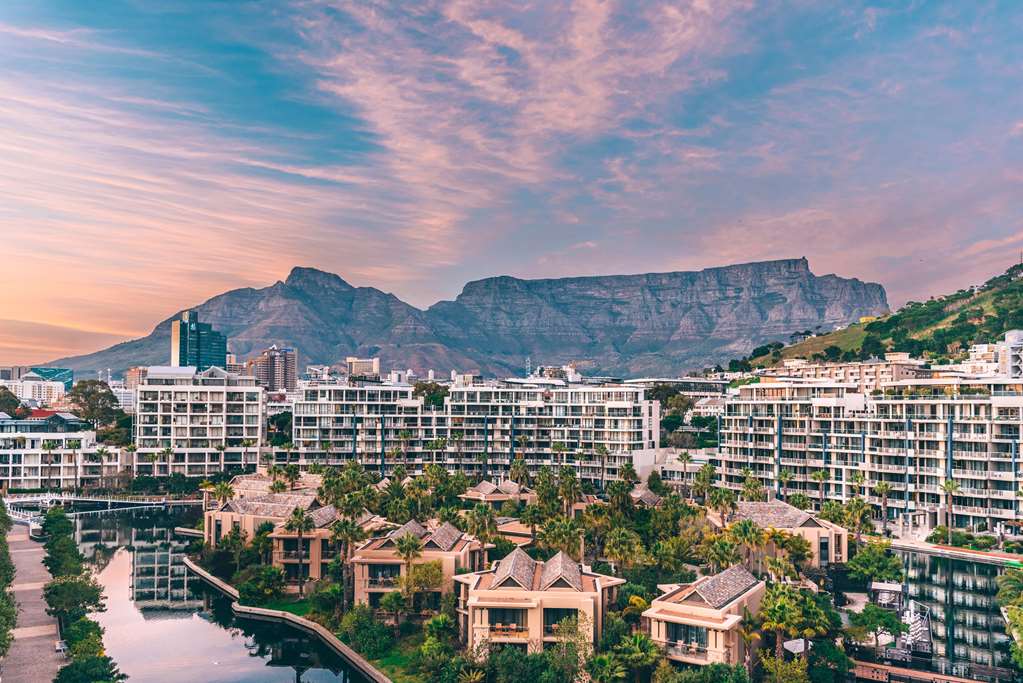
From the blog

Pick your side of the mountain
Compare rooms from Woodstock to Camps Bay, pay the same price as anywhere else, and remove a tonne of CO2 in the process.
Search hotels