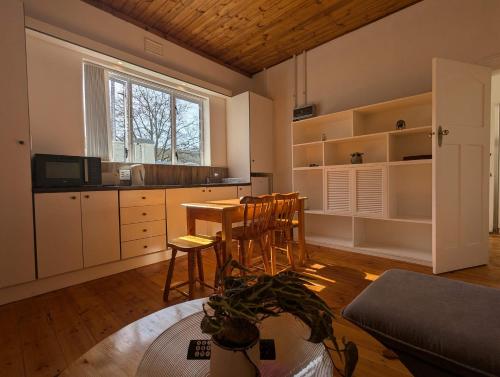
Charming 1Bedroom Apt in Tranquil Tamboerskloof
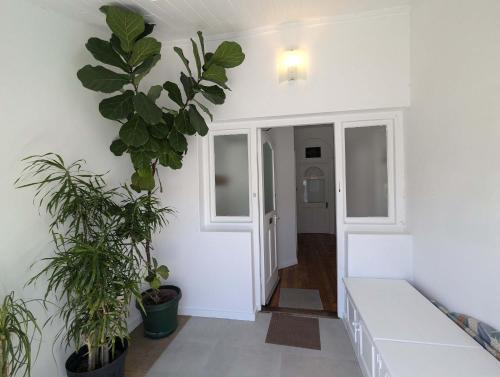
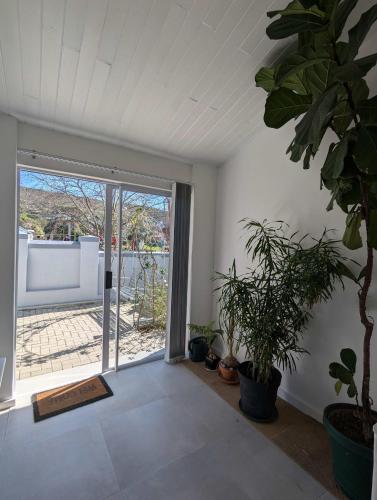
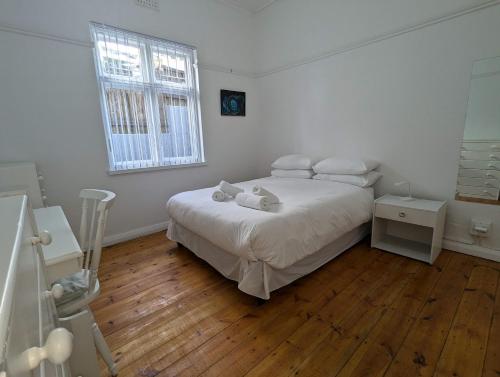
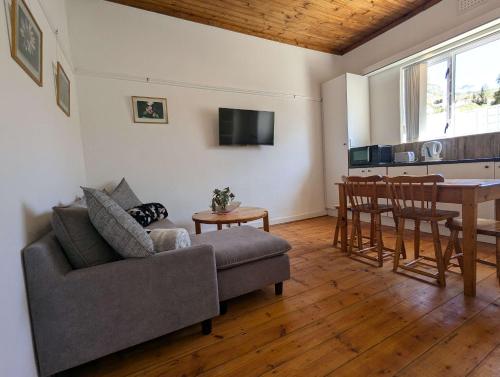
Charming 1Bedroom Apt in Tranquil Tamboerskloof is a budget-friendly stay in City Bowl, Cape Town — a no-frills base for seeing central City Bowl and the rest of the area affordably.
The surrounding City Bowl district is one of the most convenient parts of Cape Town to stay in, with restaurants, cafés and transport links close by.
Because pricing is set live by the hotel and its suppliers, the figure shown here is a recent snapshot; check the current rate for your exact dates before booking.
Key facts
What’s included
Around City Bowl


How many nights in Cape Town, and what a first trip looks like
Seven nights is the right number for a first visit; five is workable and three means you will miss either the Peninsula or the Winelands. Table Mountain has to float — the cableway closes in high wind, tickets run around R440 return for an adult, and you want two or three flexible days to catch a clear, still morning. A sensible shape: day one at the V&A Waterfront with the Robben Island ferry, day two the full Peninsula loop through Hout Bay, Chapman’s Peak, Cape Point and Boulders at Simon’s Town, day three a beach day at Clifton or Camps Bay. That loop is about 150 km and takes a full day if you stop properly.
Days four to seven fill themselves: Kirstenbosch and the Constantia wine farms, a surf lesson at Muizenberg’s Surfers Corner followed by lunch in Kalk Bay, and one long day or an overnight in Stellenbosch or Franschhoek. If you add a night in the Winelands, book it midweek — Franschhoek fills on Saturdays. Between June and November, swap a day for Hermanus, 1 hour 45 minutes each way on the R43, where you can watch whales from the cliff path without a boat. Ten nights lets you base twice: five on the Atlantic side, five in Simon’s Town or Kalk Bay, which removes an hour of driving a day.
What hotels actually cost in Cape Town
In winter, a backpacker dorm bed in Observatory or Green Point runs R300-R550, a decent three-star guesthouse double in Sea Point, Muizenberg or Woodstock is R900-R1,600, and a solid four-star in the City Bowl or Green Point is R1,800-R3,000. The same rooms in February and March move to roughly R1,600-R2,600 and R2,800-R4,500. Five-star properties at the V&A Waterfront, in Camps Bay or on the Constantia wine estates sit at R5,000-R12,000 through the shoulder months. Most guesthouse rates include breakfast; many bills add the 1% TOMSA tourism levy, which is normal and not a scam.
The spike is sharp and short. From about 15 December to 10 January, Camps Bay and Clifton four- and five-star rooms commonly ask R12,000-R30,000 a night with minimum stays attached, and mid-range Sea Point guesthouses that charge R1,200 in July will quote R4,000. Hermanus follows a different curve, peaking in September and early October at R1,800-R3,500 for a whale-view room. Franschhoek’s top country-house rooms clear R6,000 year round and more over harvest in February. If your dates are fixed over Christmas, look at Muizenberg, Kalk Bay, Simon’s Town or Somerset West, where the same money buys two star ratings more.
The wind, the water and the mistakes people make booking Cape Town beaches
The thing no one tells you is that Cape Town has two coasts with opposite weather, and booking only one of them is the classic error. The south-easter — the Cape Doctor — blows from November to February and is offshore at Clifton and Camps Bay, which is why those four coves stay calm on a day when Muizenberg and Fish Hoek are being sandblasted; in winter the north-wester reverses it and False Bay becomes the sheltered side. Sea temperature works the other way: Clifton and Camps Bay sit at 13-16°C, while Muizenberg, St James and Seaforth run 18-21°C. Whichever side you book, stay somewhere you can reach the other coast in 35 minutes, which means either a car or a base in the City Bowl or Sea Point. Also check what backup power a property has — load shedding is intermittent rather than constant now, but an inverter or generator is worth asking about before you pay.
Two areas get wrongly skipped. Simon’s Town and Kalk Bay are treated as day trips when they are perfectly good bases, with the Southern Line train at the door, Boulders penguins ten minutes away and rooms at half the Atlantic Seaboard price. Woodstock and Salt River are dismissed as industrial, yet they sit 6 km from the Waterfront with the Old Biscuit Mill and the cheapest good coffee in the city. Two other traps: "beachfront" in Sea Point means the promenade, not sand, and December bookings in Camps Bay are usually non-refundable with a minimum stay, so confirm both before paying a deposit.