Cape TownDestinations
★★★★ Cape Town · Cape Town ★ 4.6 · 141
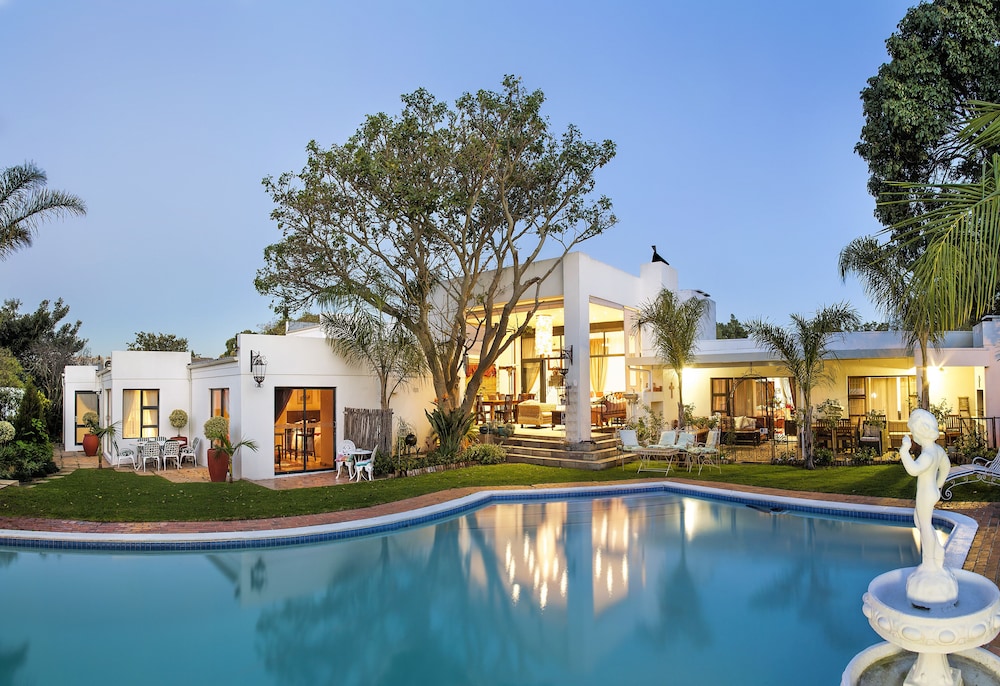
Cape Pillars Boutique Hotel
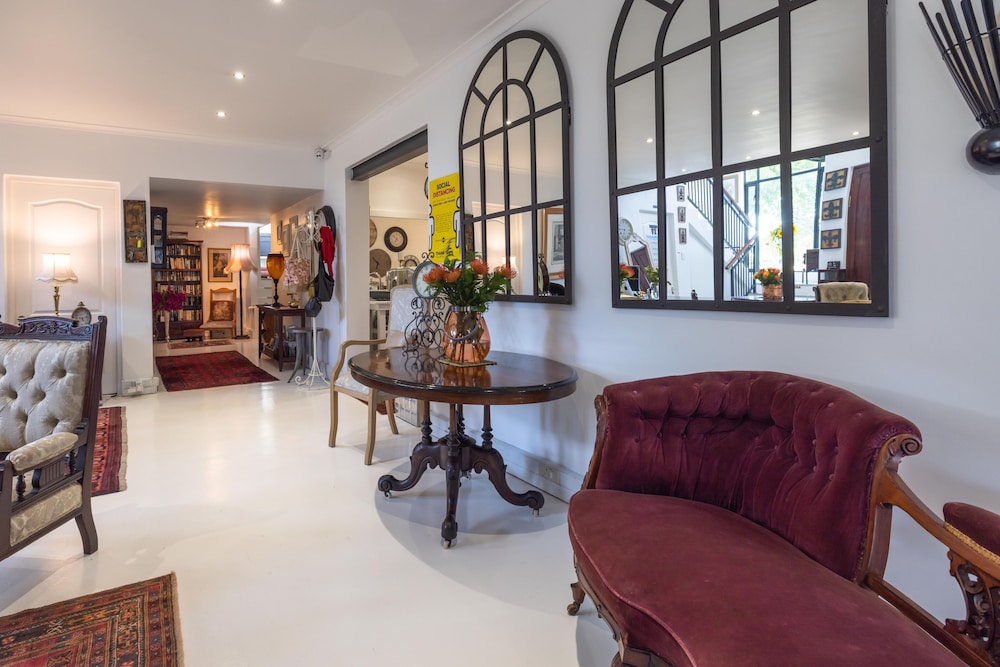
Reception
Reception
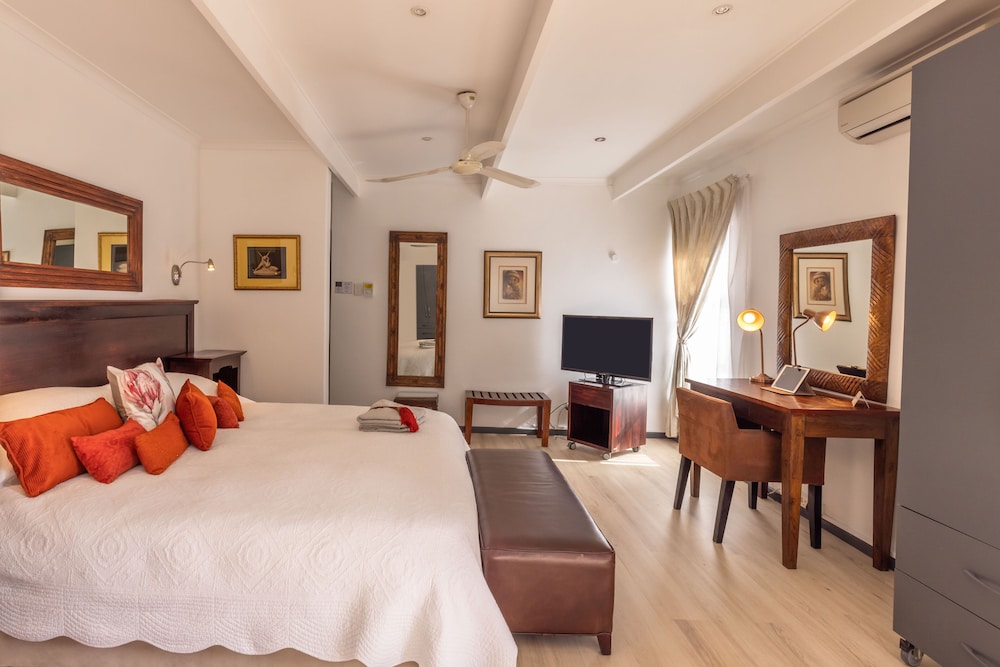
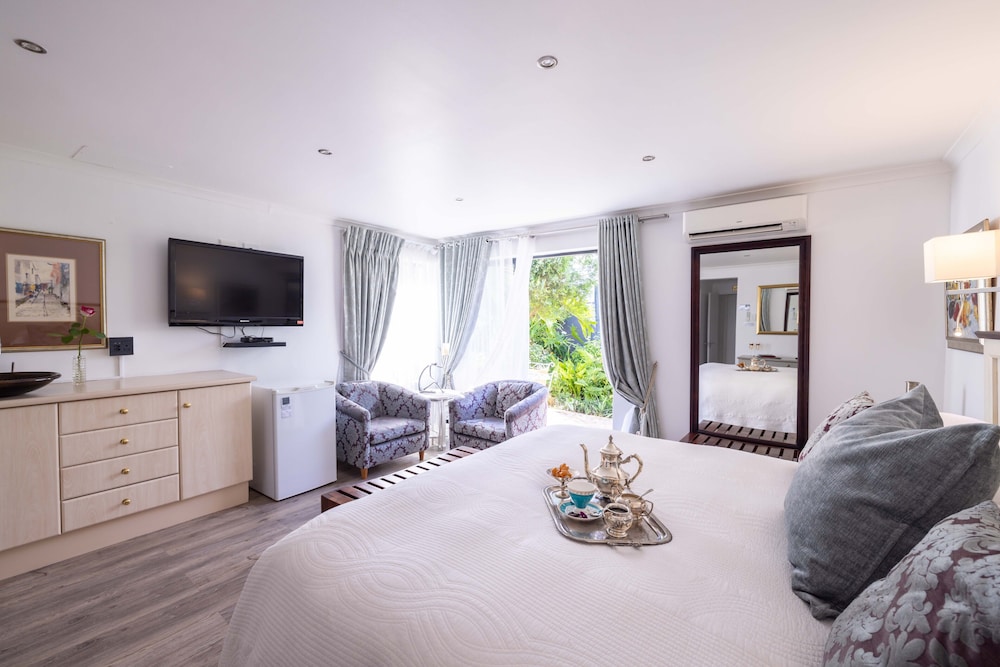
Room
Room +1 photos

Cape Pillars Boutique Hotel

9 De Villiers Drive Valmary Park, Cape Town, South Africa
from R2671

Staying in Cape Town? Cape Pillars Boutique Hotel offers dependable 4-star quality and puts central Cape Town and central Cape Town within easy reach.

From here, Cape Town’s main attractions — including central Cape Town — are an easy walk or short ride away, so you spend less time in transit and more time exploring.

Rates shift with the season and with demand, so the live price on the booking page is always the one to trust — tap through for tonight’s or your dates' real availability.

Key facts

Class
4-star
Area
Cape Town
Guest rating
4.6 (141)
from
R2671
Address
9 De Villiers Drive Valmary Park, Cape Town, South Africa

What’s included

Air conditioning Balcony Banquet Bar/Snack/CafEn' Bath Bathrobe Bathroom Beach nearby Breakfast Cleaning Coffee Copy Cot Desk Dry cleaning service Express check in Family rooms Fireplace First aid Free Wifi Free car parking Garden Golf course Hairdryer Housekeeping Internet access Iron and board Kitchen Kitchenette Laundry Service Luggage storage Lunch Microwave Minibar Non smoking rooms Outdoor pool Parking Picnic area Refrigerator Safe Sheets Shower Shuttle service Smoking area Sofa bed Special diets Swimming pool TV Terrace Toaster Toiletries Towels WC Water Wheelchair accessible Wifi

Getting around Cape Town, and from the airport

Cape Town International is about 20 km from the City Bowl on the N2, which is 20 minutes off-peak and 45 in the afternoon crawl. The MyCiTi A01 bus runs from the terminal to the Civic Centre station roughly every 20-30 minutes for about R120 plus around R35 for the reusable card; Uber and Bolt run about R250-R400 to the City Bowl or Waterfront and R400-R550 to Camps Bay or Hout Bay. Car hire is R400-R900 a day depending on season, with petrol around R22 a litre. Distances are short but the mountain is in the way: City Bowl to Camps Bay is 8 km over Kloof Nek, the Waterfront to Muizenberg is 27 km on the M3, and Chapman’s Peak Drive carries a toll of about R65 per car.

The Metrorail Southern Line from Cape Town station through Observatory, Rondebosch, Muizenberg and Kalk Bay to Simon’s Town is the one genuinely useful train for visitors — a MetroPlus ticket costs around R20 and the last stretch runs along the water at St James — and it is worth using in daylight hours only. MyCiTi also covers Sea Point, Green Point, Camps Bay and Hout Bay from the Civic Centre. You can manage a week without a car if you stay in Sea Point, Green Point or the Waterfront and use ride-hailing for the beaches. You cannot manage Cape Point, Stellenbosch (50 km on the N2), Franschhoek (75 km) or Hermanus (120 km via the R43) without one, unless you buy day tours. Budget R5-R10 for the car guard whenever you park at a beach.

How many nights in Cape Town, and what a first trip looks like

Seven nights is the right number for a first visit; five is workable and three means you will miss either the Peninsula or the Winelands. Table Mountain has to float — the cableway closes in high wind, tickets run around R440 return for an adult, and you want two or three flexible days to catch a clear, still morning. A sensible shape: day one at the V&A Waterfront with the Robben Island ferry, day two the full Peninsula loop through Hout Bay, Chapman’s Peak, Cape Point and Boulders at Simon’s Town, day three a beach day at Clifton or Camps Bay. That loop is about 150 km and takes a full day if you stop properly.

Days four to seven fill themselves: Kirstenbosch and the Constantia wine farms, a surf lesson at Muizenberg’s Surfers Corner followed by lunch in Kalk Bay, and one long day or an overnight in Stellenbosch or Franschhoek. If you add a night in the Winelands, book it midweek — Franschhoek fills on Saturdays. Between June and November, swap a day for Hermanus, 1 hour 45 minutes each way on the R43, where you can watch whales from the cliff path without a boat. Ten nights lets you base twice: five on the Atlantic side, five in Simon’s Town or Kalk Bay, which removes an hour of driving a day.

What hotels actually cost in Cape Town

In winter, a backpacker dorm bed in Observatory or Green Point runs R300-R550, a decent three-star guesthouse double in Sea Point, Muizenberg or Woodstock is R900-R1,600, and a solid four-star in the City Bowl or Green Point is R1,800-R3,000. The same rooms in February and March move to roughly R1,600-R2,600 and R2,800-R4,500. Five-star properties at the V&A Waterfront, in Camps Bay or on the Constantia wine estates sit at R5,000-R12,000 through the shoulder months. Most guesthouse rates include breakfast; many bills add the 1% TOMSA tourism levy, which is normal and not a scam.

The spike is sharp and short. From about 15 December to 10 January, Camps Bay and Clifton four- and five-star rooms commonly ask R12,000-R30,000 a night with minimum stays attached, and mid-range Sea Point guesthouses that charge R1,200 in July will quote R4,000. Hermanus follows a different curve, peaking in September and early October at R1,800-R3,500 for a whale-view room. Franschhoek’s top country-house rooms clear R6,000 year round and more over harvest in February. If your dates are fixed over Christmas, look at Muizenberg, Kalk Bay, Simon’s Town or Somerset West, where the same money buys two star ratings more.

Questions, answered

Where is Cape Pillars Boutique Hotel located?
Cape Pillars Boutique Hotel is in Cape Town (9 De Villiers Drive Valmary Park, Cape Town, South Africa), close to central Cape Town.
How much does Cape Pillars Boutique Hotel cost per night?
Recent rates started around R2671 per night, but prices are set live — check the booking page for your exact dates.
How many stars is Cape Pillars Boutique Hotel?
Cape Pillars Boutique Hotel is a 4-star hotel in Cape Town.
Is Cape Pillars Boutique Hotel a good hotel?
Guests rate it 4.6 across 141 reviews. It’s an upscale choice for Cape Town.
Which is the best area to stay in Cape Town for beaches?
Camps Bay is the best all-round beach base, because the sand, the restaurants and the bus route are all on the same 1 km strip of Victoria Road. Clifton is quieter and more sheltered from the summer south-easter, but every one of its four beaches involves a long stair climb from the road. If you want warm water rather than scenery, stay at Muizenberg or Simon’s Town on False Bay, where the sea sits at 18-21°C instead of the Atlantic’s 13-16°C. Sea Point is the value pick — the 3 km promenade and the Pavilion pools, with Clifton a 10-minute drive away.
What is the cheapest month to visit Cape Town?
June and July are the cheapest, with mid-range rooms 40-50% below their February rates and Sea Point guesthouses commonly under R1,200 a night. They are also the wettest, averaging around 90-100 mm of rain each and highs near 18°C, so plan for indoor days. The trade-off is real value elsewhere: southern right whales are already in Walker Bay off Hermanus from June, and Table Mountain is at its clearest between cold fronts. May and August are only marginally more expensive and slightly drier.
How many nights do you need in Cape Town?
Seven nights is the standard answer and it holds up, because Table Mountain’s cableway closes in wind and you need spare days to catch a clear morning. Five nights covers the Waterfront, one beach day, the 150 km Peninsula loop to Cape Point and Boulders, and a single Winelands day. Three nights forces you to drop either the Peninsula or Stellenbosch. Ten nights lets you split your stay — five on the Atlantic Seaboard, five in Kalk Bay or Simon’s Town — which cuts an hour of driving out of most days.
How do I get from Cape Town International Airport to my hotel?
Cape Town International is about 20 km from the City Bowl on the N2, roughly 20 minutes off-peak and up to 45 in afternoon traffic. The MyCiTi A01 bus runs to the Civic Centre station every 20-30 minutes for about R120, plus around R35 for the reusable card, and you connect from there to Sea Point, Green Point or Camps Bay. Uber and Bolt cost about R250-R400 to the City Bowl or V&A Waterfront and R400-R550 out to Camps Bay or Hout Bay. If you are heading straight to Stellenbosch, it is 35 km from the airport on the R310, so hiring a car at arrivals often makes more sense than a transfer.
Do I need to hire a car in Cape Town?
Not if you are staying in Sea Point, Green Point or the V&A Waterfront for under a week — MyCiTi buses plus Uber cover the Atlantic Seaboard cheaply. You do need one for Cape Point, the Chapman’s Peak Drive toll road at about R65 per car, Stellenbosch 50 km away, Franschhoek at 75 km and Hermanus at 120 km on the R43. Hire runs roughly R400-R900 a day depending on season, with petrol around R22 a litre. The Metrorail Southern Line from Cape Town station to Simon’s Town is a genuine alternative for the False Bay beaches at about R20 a MetroPlus ticket, in daylight hours.

From the blog

Pick your side of the mountain
Compare rooms from Woodstock to Camps Bay, pay the same price as anywhere else, and remove a tonne of CO2 in the process.
Search hotels